Fit Kids Get Better Grades

Physical fitness is associated with academic performance in young people, according to a report presented at the American Heart Association's 2010 Conference on Nutrition, Physical Activity and Metabolism.

"As children's health continues to be a concern -- especially when it comes to obesity -- some have suggested that children's physical fitness is associated with their academic performance," said Lesley A. Cottrell, Ph.D., study presenting author and associate professor of pediatrics at West Virginia University in Morgantown, W.Va. "The research, however, had not developed enough to define the nature of that relationship."

To study the association between children's physical fitness and academic performance, Cottrell and colleagues analyzed the body mass index percentiles, fitness levels and standardized academic test scores of 725 fifth grade students in Wood County, W.Va. The researchers focused more on the children's fitness level than their weight. They then compared that data to students' fitness and academic performance two years later, in the seventh grade...

They separated the participants into four groups of students who were:

* in high physical fitness levels in fifth grade and remained so in seventh grade;
* fit in fifth grade but had lost their fitness by seventh grade;
* not fit in fifth grade but were physically fit by seventh grade;
* not physically fit at the beginning of the study, in fifth grade, nor at the end of the study, in seventh grade.

Children who had the best average scores in standardized tests in reading, math, science and social studies were fit at the start and end of the study, researchers found. The next best group, academically, in all four subjects, was made up of children who were not fit in fifth grade but had become fit by seventh grade. The children who had lost their fitness levels between fifth and seventh grades were third in academic performance. Children who were not physically fit in either the fifth or seventh grades had the lowest academic performance.

"The take-home message from this study is that we want our kids to be fit as long as possible and it will show in their academic performance," Cottrell said. "But if we can intervene on those children who are not necessarily fit and get them to physically fit levels, we may also see their academic performance increase."

Youth who are regularly active also have a better chance of a healthy adulthood. The American Heart Association recommends that children and adolescents should do 60 minutes or more of physical activity daily and they participate in physical activities that are appropriate for their age and enjoyable.

The study suggests that focusing more on physical fitness and physical education in school would result in healthier, happier and smarter children, Cottrell said.

Source: American Heart Association.

See also: For Kids' Health, Just Let Them Play and Kids Who Exercise Can Get Better Grades

High Intensity Workout Gets The Job Done

The usual excuse of "lack of time" for not doing enough exercise is blown away by new research published in The Journal of Physiology.  The study, from scientists at Canada's McMaster University, adds to the growing evidence for the benefits of short term high-intensity interval training (HIT) as a time-efficient but safe alternative to traditional types of moderate long term exercise. Astonishingly, it is possible to get more by doing less!

"We have shown that interval training does not have to be 'all out' in order to be effective," says Professor Martin Gibala. "Doing 10 one-minute sprints on a standard stationary bike with about one minute of rest in between, three times a week, works as well in improving muscle as many hours of conventional long-term biking less strenuously."

HIT means doing a number of short bursts of intense exercise with short recovery breaks in between. The authors have already shown with young healthy college students that this produces the same physical benefits as conventional long duration endurance training despite taking much less time (and amazingly, actually doing less exercise!) However, their previous work used a relatively extreme set-up that involved "all out" pedaling on a specialized laboratory bicycle.


The new study used a standard stationary bicycle and a workload which was still above most people's comfort zone -about 95% of maximal heart rate -- but only about half of what can be achieved when people sprint at an all-out pace.

This less extreme HIT method may work well for people (the older, less fit, and slightly overweight among us) whose doctors might have worries about them exercising "all-out." We have known for years that repeated moderate long-term exercise tunes up fuel and oxygen delivery to muscles and aids the removal of waste products. Exercise also improves the way muscles use the oxygen to burn the fuel in mitochondria, the microscopic power station of cells.

Running or cycling for hours a week widens the network of vessels supplying muscle cells and also boosts the numbers of mitochondria in them so that a person can carry out activities of daily living more effectively and without strain, and crucially with less risk of a heart attack, stroke or diabetes.

But the traditional approach to exercise is time consuming. Martin Gibala and his team have shown that the same results can be obtained in far less time with brief spurts of higher-intensity exercise.

To achieve the study's equivalent results by endurance training you'd need to complete over 10 hours of continuous moderate bicycling exercise over a two-week period.

The "secret" to why HIT is so effective is unclear. However, the study by Gibala and co-workers also provides insight into the molecular signals that regulate muscle adaptation to interval training. It appears that HIT stimulates many of the same cellular pathways that are responsible for the beneficial effects we associate with endurance training.

The upside of doing more exercise is well-known, but a big question for most people thinking of getting fit is: "How much time out of my busy life do I need to spend to get the perks?"

Martin Gibala says "no time to exercise" is not an excuse now that HIT can be tailored for the average adult. "While still a demanding form of training," Gibala adds, "the exercise protocol we used should be possible to do by the general public and you don't need more than an average exercise bike."

The McMaster team's future research will examine whether HIT can bring health benefits to people who are overweight or who have metabolic diseases like diabetes.

As the evidence for HIT continues to grow, a new frontier in the fitness field emerges.


Source: A practical model of low-volume high-intensity interval training induces mitochondrial biogenesis in human skeletal muscle: potential mechanisms 

See also: The Physiology Of Speed and Exercise Burns Fat During But Not After Your Workout

Little League Arm Injuries Jump Up

Throwing arm injuries are on the rise in Little League and other youth baseball programs. After these injuries occur, many players are out for the season; others require surgery and must refrain from play for an even longer duration; still others sustain injuries so severe that they cause permanent damage and are unable to continue playing baseball.

Three new studies presented at the at the 2010 Annual Meeting of the American Academy of Orthopaedic Surgeons (AAOS) address this critical issue, each offering new solutions to help prevent these injuries.

Pitchers and catchers under the age of 15 often experience tightness of a shoulder ligament known as the posterior-inferior glenohumeral ligament. If this ligament is not stretched, it will become increasingly tighter and more prone to pain or injury as the player ages, if that player continues to play baseball.

A study of 1,267 youth baseball players, led by Charles Metzger, MD, an orthopaedic surgeon specializing in upper extremities in Houston, Texas, found that a simple stretch known as the posterior capsular stretch can help.


"A posterior capsular stretch is done after play and since it is different from the general stretches players already know, it must be taught," says Dr. Metzger. "Once learned, however, it is very simple, and takes only five minutes to complete. Nearly 97 percent of young players who performed the stretch properly and consistently reported shoulder improvement."

Dr. Metzger supports Safe Throw, an injury-prevention and rapid return-to-play program. Instructions and diagrams showing how to perform the posterior capsular stretch can be found on www.safethrow.com.


The elbow is the most frequently reported area of overuse injury in child and adolescent baseball players. One type of overuse includes osteochondral lesions, which are tears or fractures in the cartilage and underlying bone, covering the elbow joint.

In a study led by Tetsuya Matsuura, MD, Department of Orthopedics, The University of Tokushima Graduate School, Institute of Health Bioscience in Tokushima, Japan, 152 baseball players were observed (ranging in age from 8 to12) for one season to study the injury incidence in relation to their playing positions. These players had no history of problematic elbow pain.

The results were as follows:

* 38 players, or 25 percent complained of elbow pain
* 26 (68.4 percent) had limitations of range of motion and/or tenderness on the elbow, and/or valgus stress pain (a stressful force placed upon the ligaments on the inner side of the elbow joint); and
* 22 (84.6 percent) had osteochondral lesions including:
  • 12 pitchers (54.6 percent)
  • 6 catchers (27.3 percent)
  • 3 infielders (13.6 percent)
  • 1 outfielder (4.5 percent).

Dr. Matsuura concluded, "Twenty-five percent of child and adolescent baseball players have elbow pain and nearly 15 percent sustain osteochodral lesions per year and pitchers have the highest rate of osteochondral lesions. If overuse injuries such as osteochrondral lesions occur, prompt diagnosis and treatment can prevent this injury from causing long-term damage. Better awareness and education among parents, players and especially coaches about risk factors can help prevent these injuries."

Reviewing -- and adhering to -- youth baseball throwing guidelines can help prevent injury

In another presentation, led by George A. Paletta, Jr., MD, an orthopaedic surgeon at the Orthopedic Center of St. Louis and Medical Director/Head Team Physician of the St. Louis Cardinals, discussed the increase in elbow injuries of young baseball players, including the increasing number of ligament reconstruction or "Tommy John" procedures performed.

Despite these increases, Dr. Paletta says there are identifiable -- and controllable -- risk factors of which young athletes, parents and coaches should be aware, to help reduce injury.

"A young athlete should never throw through pain or continue to pitch when he or she is obviously fatigued," says Dr. Paletta. "Additionally, parents should familiarize themselves with the recommended single game, weekly and season total pitch counts, suggested recovery times, and recommended ages for learning various pitches."

Dr. Paletta stresses that there must be a greater focus on education and research in this area, or more young baseball players will sustain serious injury.

Source: American Academy of Orthopaedic Surgeons

See also: Kids' Baseball Injuries Down But Some Still Play "Until It Hurts" and Baseball Brains - Pitching Into The World Series

Nobody Wants To Lose To The Underdog

Members of a group or team will work harder when they're competing against a group with lower status than when pitted against a more highly ranked group, according to a new study.

The results run contrary to the common belief that underdogs have more motivation because they have the chance to "knock the higher-status group down a peg," said Robert Lount, co-author of the study and assistant professor of management and human resources at Ohio State University's Fisher College of Business.  "We found over and over again across multiple studies that people worked about 30 percent harder when their group was competing against a lower-status group."

"It seems surprising to many people that the high-status team has more motivation, but it really makes sense," Lount added. "The higher-ranked group has more to lose if they don't compare well against a lower-status group. But if you're the lower-status group and lose to your superior rival, nothing has changed -- it just reaffirms the way things are."

Lount conducted the study with Nathan Pettit of Cornell University. Their results appear in the current issue of the Journal of Experimental Social Psychology.

The researchers conducted five studies involving college students. In most of the studies, the students were asked to complete a simple task -- for instance, crossing out all the vowels in a random string of letters. They were told to do as many as they could in a specific period of time.


Participants were told a group of students from another specific college were simultaneously completing the same task. The logo of the participants' school and the competing school appeared on their worksheets, so the fact that this was a competition was clear.

In some cases, the competing school was one that was clearly more highly ranked than the participants' school (based on U.S. News and World Report rankings), while other times it was similarly ranked, or ranked lower.

The tasks were always simple, so that the students' ability wouldn't be tested -- only their motivation to complete as much of the task as possible.  Overall, the students completed about 30 percent more when they were competing against lower-ranked schools than they did when competing against more highly ranked colleges.

"The motivation gains were there when students felt their group's superior status was threatened," he said.

He noted that students didn't perform worse when they were pitted against higher-ranked teams than they did against similarly ranked teams. But it was only when students competed against lower-ranked teams that they actually were motivated to work harder.  One of the studies clearly showed how participants were motivated by the threat of losing to a team they considered inferior.

In this study, before the students completed the task, they were asked to think and write about a core value of themselves or their group.  Some wrote a group affirmation, in which they selected the value that was most important to people at their university -- such as relationships with family or maintaining ethical standards. Others wrote a self-affirmation, in which they listed a core personal value and why it was central to who they were as an individual.

The affirmations are designed to make the participants feel secure in their group identity (the group affirmation) or feel like they are personally moral and competent (self affirmation). A control group did not write an affirmation.

When students competed against a lower-status group, those who completed self or group affirmations finished less of the task than those who did no affirmations.  Writing the affirmations made the students feel like they were good members of their group, or that their group itself was good. Because they no longer felt threatened, they didn't feel they had to work as hard to prove themselves when competing against the lower-ranked team.

"The affirmations act as a buffer against threat," Lount said.

Meanwhile, students in this study who competed against higher-ranked teams showed no difference in how much of the task they completed, regardless of whether they wrote affirmations or not.


The findings may apply in a variety of settings, from workplaces to sports teams.  Bosses and coaches who manage groups competing against lower-status rivals should use that fact to motivate the people at their company or team.

"If you're a coach of a favored team, it would make sense to highlight this favored status to your players," he said. "Coaches should let players know that there's a lot at stake in their game -- they could lose their high status. That should be a big motivating factor for your team."

In any setting, motivation will depend a lot on who people and groups are compared against.

"If groups just focus on ways to gain status, they're missing out on a motivational opportunity," he said. "People are going to work harder to not lose what status they already have than they will to try to become higher status."

See also: How Nerves Affect Soccer Penalty Kicks and The Big Mo' - Momentum In Sports

Source: Ohio State University

Atomic Physicist Proposes Winning Formula For Baseball Success

(Credit: Photo by Bob Elbert)
Kerry Whisnant, the Iowa State University physicist, studies the mysteries of the neutrino, the elementary particle that usually passes right through ordinary matter such as baseballs and home-run sluggers.

Kerry Whisnant, the St. Louis Cardinals fan, studies the mathematical mysteries of baseball, including a long look at how the distribution of a team's runs can affect the team's winning percentage.

Whisnant, a professor of physics and astronomy who scribbles the Cardinals' roster on a corner of his office chalkboard, is part of baseball's sabermetrics movement. He, like other followers of the Society for American Baseball Research, analyzes baseball statistics and tries to discover how all the numbers relate to success on the field.

The results are ideas, analyses, formulas and papers that dig deep into the objective data.
Whisnant recently took up a decades-old formula written by Bill James, the baseball author and statistician who inspired sabermetrics and is a senior adviser for baseball operations for the Boston Red Sox. The basic formula, which has been tweaked over the years, uses the number of runs scored per game (RPG) and runs given up per game to estimate a team's winning percentage.


Whisnant took that formula a step further by considering run distributions. What happens, in other words, when you consider how much a team's run production varies? Does it help if a team consistently scores runs? Does it hurt if a team scores a lot of runs one day and very few the next? And is slugging percentage (SLG, total bases divided by at bats) a good measure of that consistency?

Whisnant's answer, based on a Markov chain analysis that simplifies and simulates an infinite number of baseball games while eliminating the random fluctuations found by analyzing actual data from a finite number of games:

W1/L1 = (RPG1/RPG2)^a (SLG1/SLG2)^b
where a = 0.723 (RPG1 + RPG2)^.373 and b = 0.977 (RPG1 + RPG2)^( -.947)

"I hated math in school, just write me a very condensed summary Kerry," a baseball fan wrote to dugoutcentral.com, a Web site for baseball talk and analysis, when Whisnant posted his formula there.
Whisnant's reply: "Bottom line: More consistent teams (narrower run distribution) tend to win more games for the same RPG (runs per game). Teams with higher SLG (slugging percentage) tend to have a narrower run distribution. Given two teams with the same RPG, a team with a SLG .080 higher will on average win one more game a season. If their pitching/defense has the same RPG allowed but a SLG allowed .080 lower, that would add another game."

So there you have it: "The more consistent a team is in scoring runs, game to game, the better the team's winning percentage for the total number of runs scored," Whisnant said.

"My study shows that runs alone don't tell the whole story," he said. "Consistency is another factor. You want to score runs, and you want to be consistent."

Across an entire 162-game season, Whisnant said more consistency could mean two additional wins. And that can be the difference between making the playoffs and calling it quits the first week in October.

Whisnant's paper explaining the formula was recently named one of four finalists in a contest sponsored by the Massachusetts Institute of Technology's Sloan Sports Analytics Conference in Boston on March 6.

And while he's at the conference to present his paper, other baseball researchers are telling Whisnant to introduce himself to general managers of Major League Baseball teams. You never know, maybe the Cardinals are looking for a statistical consultant.

Nothing against neutrinos, Whisnant said, "but it would be a dream job to be a part-time analyst for the Cardinals."

See also:Virtual Reality Lab Proves How Fly Balls Are Caught and Baseball Brains - Hitting Into The World Series

Source:Iowa State University

Sports Fans Love A Close Game

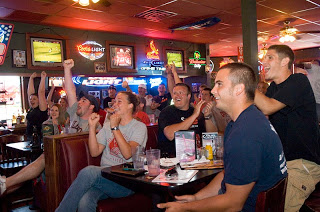
For sports fans watching their favorite team play, the greatest enjoyment comes only with a strong dollop of fear and maybe even near-despair, a new study suggests.  Researchers studied fans of two college football teams as they watched the teams' annual rivalry game on television.  They found that fans of the winning team who, at some point during the game, were almost certain their team would lose, ended up thinking the game was the most thrilling and suspenseful.

"You don't want to be in a great mood during the whole game if you really want to enjoy it," said Silvia Knobloch-Westerwick, co-author of the study and associate professor of communication at Ohio State University.  "We found that negative emotions play a key role in how much we enjoy sports."

The study appeared in a recent issue of the Journal of Communication.

Researchers studied 113 college students as they watched the 2006 football game between the Ohio State University Buckeyes and the University of Michigan Wolverines. While the game has always been a bitter rivalry, the stakes were particularly high that year: Ohio State was ranked number one in the country and Michigan was ranked number two, with the winner going to the national championship game.


Ohio State ended up winning the game 42-39, in a dramatic finish.

"Ohio State was winning easily in the first half, but the good thing for our study was that Michigan really tightened the game in the second half. It turned out to be a great game," said Prabu David, study co-author and associate professor of communication at Ohio State.

Students from Ohio State, the University of Michigan, and Michigan State University participated in the study. Before the game, they completed questionnaires about which team they were rooting for, and how committed they were to their favorite team.

They then watched the game on television from wherever they wanted, and logged onto a website during the 24 commercial breaks to answer questions about the likelihood that their favorite team would win, how suspenseful they thought the game was, and how positively or negatively they were feeling at the moment.

The results showed how important negative emotions were to enjoyment of the game.

"When people think about entertainment in general, they think it has to be fun and pleasurable. But enjoyment doesn't always mean positive emotions," David said.  "Sometimes enjoyment is derived by having the negative emotion, and then juxtaposing that with the positive emotion."

Results showed that positive feelings during the game had the greatest effect on suspense, but negative feelings also played a substantial role.  In the past, researchers have thought of positive and negative emotions experienced in entertainment as cancelling each other out, David said. But this research suggests that both positive and negative emotions act independently and together to contribute to entertainment and enjoyment.

"You need the negative emotions of thinking your team might lose to get you in an excited, nervous state," Knobloch-Westerwick said. "If your team wins, all that negative tension is suddenly converted to positive energy, which will put you in a euphoric state."

That's why the fans of the winning team -- in this case, Ohio State -- who felt the most sense of enjoyable suspense were also those who at some point were most convinced their team would lose, she said.  As expected, the study found that participants who said they were fans of one of the teams also found the game more suspenseful than those who had no strong allegiance.

However, the intensity of fan commitment did not matter in terms of how much suspense viewers felt during the game. In other words, viewers who considered themselves "super fans" because of how committed they were to their team and how long they supported their team, did not find the game any more suspenseful than did less committed fans of the team.

There was no difference between Ohio State and Michigan supporters in terms of how suspenseful they thought the game was, which was expected given the closeness of the game.  David said the results of this study closely followed those of a previous study he did with colleagues that examined fan reaction during the 2006 Super Bowl between the Pittsburgh Steelers and Seattle Seahawks.

The results of that study also showed the importance of negative feelings in contributing to how much fans enjoyed the game.

"Obviously, winning helps people enjoy a game. But we're finding that it doesn't help to have a game where you have positive feelings the whole game -- negative feelings are an important part of enjoying a game," he said.

While some people may question the purpose of studying fan reactions to a football game, the researchers say the study has important implications.  For one, sports provides a unique opportunity to study how emotions operate in people.

"Researchers want to study the impact of emotions, but it is very difficult to create powerful emotional reactions in a laboratory setting," David said.  "This is a study that was done in the real world, and we can get a snapshot into a person's emotional state while they are actually experiencing the emotion. Sports creates emotions that are very powerful, and which matter to people."

In addition, regardless of what people think about it, sports and entertainment is a big business in America and around the world.

"We need to better understand how people use entertainment in their lives, and what value they are getting from it," Knobloch-Westerwick said. "This study is just one step in that process."

See also: Sports Fans Have Selective Memories and The Cognitive Benefits Of Being A Sports Fan

Source: Ohio State University

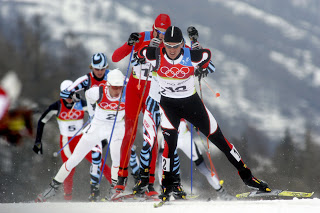
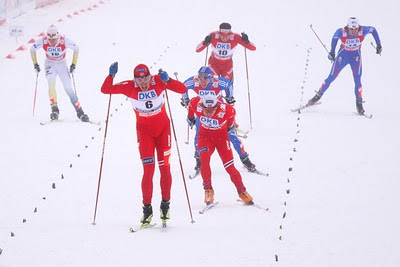
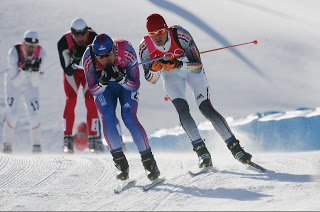
For Olympic Nordic Skiers, Its All About The Glide

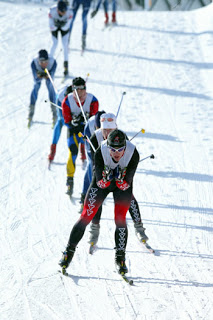
Friction -- or the lack of it -- in cross-country skiing events at the Winter Olympic games in Vancouver is a decisive factor in who wins the gold. Researchers at the Norwegian University of Science and Technology (NTNU) explain the physics behind what makes the best glide.

Fully seven of Norway's 11 Olympic medals to date have been won by residents of the small counties of Nord and Sør-Trondelag, which is also home to Norway's main science and engineering university, NTNU. Among the university's researchers are experts on the physical demands of cross country skiing, the physics of ski glide, physical training and the aerodynamics of ski jumping.

Felix Breitschädel, a PhD candidate at the Norwegian University of Science and Technology, has studied the interplay between the choice of skis and wax that makes a winning combination for skiers.

Cross-country skiing takes enormous physical skill and endurance -- but it also takes the right skis and the right wax to bring home the gold, as Norway's elite athletes have learned during the Vancouver Olympic Games.


The wrong wax, wrong skis or mistakes in preparation of the base of the ski, "might lead to a change for the worse by up to 3 per cent," he says.

Cross-country skiers are able to kick and glide because of the way the wax and the physical structure of the ski and its base interact with the snow. When the skier presses down on one ski during a kick, the wax and ski base grip the snow, enabling the skier to push off and glide on the other ski.

Breitschädel, who is in Vancouver with the Norwegian national team, says ski preparation specialists that travel with racing teams have developed a four-step process that helps them decide how the skis should be prepared and what will work best. The steps are:

1) Different skis are tested on the track the day of the race to see what works best.

2) Once a ski itself has been chosen, the prep specialists go to work to create a micro structure on the ski base that will work in specific snow conditions. This structure is tested prior to the race.

3) Just a few hours before the race, the prep specialists have to test different waxes and wax combinations and wax the skis, which are then tested.

4) Just minutes before the race, the base of the ski is fine-tuned.

Breitschädel reports that the weather and track conditions at the Whistler Olympic Park in the Callaghan Valley are very special. "The arena is located 10 km west from Whistler, and about 200 km from the Pacific Ocean, and the area gets an average snow fall of 10 m in the surrounding mountains," he says. "Currently, the average snow depth is 1.2 m at the Nordic area."

Even though the site is not directly on the coast, it is still affected by coastal weather he says. The average temperature in February has been + 0.6°C, far warmer than the -1.4°C that has been the 4 year February average temperature.

But as long as there is enough snow, why does snow temperature matter to skiers? Breitschädel, says the mild temperatures in combination with regular showers increase the speed at which the snow changes structure, transforming pointy freshly fallen snowflakes into rounded snow grains. Regular freeze-thaw cycles further increase the snow grain size. Clusters of wet and round bonded snow crystals are the consequence.

Because the ski slides on the snow, the actual amount of surface area on the ski base is one important factor that determines how much friction there is.

If there is too much real surface contact area, the skier will actually experience some suction under wet conditions, but if it is colder, lots of surface area generates enough frictional heat to generate a thin water film for the ski to glide on.

"The ski base structure has to fit to the given snow grain condition," Breitschädel says. "New snow, with its complex snow crystals, requires a different ski base structure than old transformed snow grains." That means cold conditions call for fine grinds while coarse grinds are best for wet snow.

But what of the disappointing results for the Norwegian men's team in the 15 km freestyle race during the first week of the Winter Olympics? After race favourite Petter Northug turned in a disappointing finish, Norwegian media speculated that the wax might have been wrong. Breitschädel says that's an overly simplistic assessment.

"Waxing is one out of four parameters which affect the total performance of a ski. In addition to the ski characteristic, structure and track conditions, the waxing and the final ski tuning with a manual rilling tool are all important," he says. Each team carefully guards its wax and ski structuring secrets, but mistakes happen. The 3 per cent decrease in performance wouldn't make much of a different for the average skier, he says, but "at such a high level they are crucial and can make the difference whether an athletes wins a medal or not."

See also: Vancouver Olympians Prepared For High And Low Altitudes and Aerobic Efficiency Is Key To Olympic Gold For Cross-Country Skiers

Source: The Norwegian University of Science and Technology (NTNU).

Aerobic Fitness Helps Brains of Multiple Sclerosis Patients

Highly fit multiple sclerosis patients perform significantly better on tests of cognitive function than similar less-fit patients, a new study shows.  In addition, MRI scans of the patients showed that the fitter MS patients showed less damage in parts of the brain that show deterioration as a result of MS, as well as a greater volume of vital gray matter.

"We found that aerobic fitness has a protective effect on parts of the brain that are most affected by multiple sclerosis," said Ruchika Shaurya Prakash, lead author of the study and assistant professor of psychology at Ohio State University.  "As a result, these fitter patients actually show better performance on tasks that measure processing speed."

The study, done with colleagues Robert Motl and Arthur Kramer of the University of Illinois and Erin Snook of the University of Massachusetts, Amherst, appears online in the journal Brain Research and will be published in a future print edition.


The study involved 21 women diagnosed with relapsing-remitting MS. They were compared with 15 age- and education-matched healthy female controls. The study assessed fitness, cognitive function, and structural changes in all participants.  In order to measure fitness levels, the participants underwent a VO2 max test, in which they rode a stationary bicycle until they felt exhausted. During the test, they breathed into a mask which measured their oxygen consumption.

All the women also took a variety of tests designed to evaluate cognitive functions, such as processing speed and selective attention. In one test, for example, participants had to write down in one minute as many words as they could think of that began with the letter "F." MS patients generally perform poorly on these tests compared to healthy people.  The third analysis involved MRIs of the participants, revealing any damage to their brains.

As expected, the MS patients did much worse than the healthy controls on the tests of brain functioning, and showed more deterioration in their brains as revealed through the MRIs.  But what was interesting, Prakash said, was the significant differences between the more aerobically fit MS patients and those who were less fit.

Take, for instance, lesions, which are the characteristic feature of MS. Lesions are areas of inflammation in the central nervous system in which neurons have been stripped of myelin, an insulating protein.

"Physically fit MS patients had fewer lesions compared to those who weren't as fit and the lesions they did have tended to be smaller," Prakash said. "This is significant and can help explain why the higher-fit patients did better on tests of brain functioning."

Aerobic fitness was also associated with less-damaged brain tissue in MS patients, both the gray matter and white matter.  Gray matter is the cell bodies in the brain tissue, while white matter is the fibers that connect the various gray matter areas.

The study found that fitness in MS patients was associated with larger volume of gray matter, accounting for about 20 percent of the volume in gray matter. That's important, Prakash said, because gray matter is linked to brain processing skills.

"Even in gray matter that appeared relatively healthy, we found a deterioration in the volume in MS patients," she said. "But for some of the highest fit MS patients, we found that their gray matter volume was nearly equivalent to that of healthy controls."

Another MRI analysis involved the integrity of the white matter in the brain. In MS patients, the white matter deteriorates as the myelin is stripped from neurons. Again, higher-fit MS patients showed less deterioration of white matter compared to those who were less fit.

Overall, the three MRI tests in this study showed that parts of the brain involved in processing speed are all negatively affected by MS -- but less so in patients who are aerobically fit.

Prakash noted that other researchers have found that exercise promotes the production of nerve growth factors, proteins which are important for the growth and maintenance of neurs in the brain.  "Our hypothesis is that aerobic exercise enhances these nerve growth factors in MS patients, which increases the volume of the gray matter and increases the integrity of the white matter," she said.  "As a result there is an improvement in cognitive function."

Prakash and her colleagues plan to extend this research by studying whether exercise interventions with MS patients can actually improve their cognition and have positive physical effects on the brain.

"For a long time, MS patients were told not to exercise because there was a fear it could exacerbate their symptoms," she said.  "But we're finding that if MS patients exercise in a controlled setting, it can actually help them with their cognitive function."

The research was supported by a grant from the National Institute on Aging.

Source: Ohio State University
See also: Take Your Brain To The GymBoomer Brains Need Exercise and Exercise May Help Schizophrenia Patients

Vancouver Olympians Prepared For High And Low Altitudes

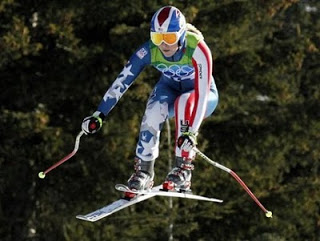
Lindsey Vonn winning gold
For winter sports athletes, including Olympians competing in Vancouver this week, the altitude of the sports venue can have a significant impact on performance, requiring athletes in skill sports, such as skating, ski jumping and snowboarding, to retool highly technical moves to accommodate more or less air resistance.

When considering the challenges and benefits of training and performing at sea level verses altitude, people often think of the effect altitude can have on oxygen delivery to muscles -- at higher altitudes, the body initially delivers less oxygen to muscles, which can result in fatigue occurring sooner during exercise. Higher altitudes also have less air density -- about 3 percent reduction for every 1,000 feet -- which can result in faster speeds in ski and skating races due to less aerodynamic drag, but can also affect timing and other technical components in skill sports.

"Many athletes perform thousands upon thousands of moves so they get a certain motor pattern ingrained," said Robert Chapman, an expert in altitude training at Indiana University. "A different altitude will change the feedback they get from balance and proprieception. In an endurance sport such as cross country skiing or biathlon, for competition at altitude it takes about 10-14 days to adjust. For a skill sport, it's harder to judge how long it will take to acclimate to the reduced air density at altitude. Hopefully, these athletes have incorporated this into their training, maybe in the last year or for a period of time, not just the two weeks leading up to competition."

Chapman, an exercise physiologist in the Department of Kinesiology in IU's School of Health, Physical Education and Recreation, wrote about the topic in a special Winter Olympics issue of the journal Experimental Physiology.

The Winter Olympics are being held in Vancouver, British Columbia, which is practically at sea level. The ice events also are nearly at sea level, with other venues ranging from altitudes of around 2,600 feet for the sled events to around 5,000 feet for women's and men's downhill skiing.

Shaun White enjoying some altitude
Chapman said fans should expect few record times in speed skating events because of the low altitude and greater air resistance facing athletes. He and his co-authors note in their paper that current world records for men and women in every long-track speed skating event from the 500-meter to 10,000-meter races were set in Olympics held in either Calgary, at an altitude of 3,400 feet, or Salt Lake City, with an altitude of 4,300 feet. They note that every Olympic record for all individual event distances was set at the 2002 Olympic Games in Salt Lake City, with none topped in the 2006 Winter Olympics held in Turin, which lies at an altitude of 784 feet.

"The general thought is that altitude slows you down because you have less oxygen going to your muscles," Chapman said. "But at altitude, just as it is easier to hit a home run in the thin air of Denver, speed skaters in Calgary and Salt Lake City could skate faster, move through the air faster, because there was less drag. Eight years after Salt Lake City, we have natural improvements that you'd expect to see involving training, coaching and technology, but we won't see many records in Vancouver. It doesn't mean the athletes are worse, if anything they're probably better. It's the effects of altitude on athletes' times."

Air density can have a dramatic effect on ski jumping, he said, requiring athletes to change the angle of their lean depending on the altitude. Chapman said the women's and men's Olympic downhill skiing, freestyle skiing and snowboarding events take place at higher altitudes this month and could require technical adjustments by the athletes.

Chapman and his co-authors make the following recommendations concerning training and performing at altitude:
  • Allow extra time and practice for athletes to adjust to changes in projectile motion. Athletes in sports such as hockey, shooting, skating and ski jumping may be particularly affected.
  • Allow time for acclimatization for endurance sports: Three to five days if possible, especially for low altitude (1,640-6,562 feet); one to two weeks for moderate altitude (6,562-9,843 feet); and at least two weeks if possible for high altitude (more than 9,843 feet). Chapman said altitude affects breathing, too, with breathing initially being harder at higher altitudes.
  • Increase exercise-recovery ratios as much as possible, with a 1:3 ratio probably optimal, and consider more frequent substitutions for sports where this is allowed, such as ice hockey. Recovery refers to the amount of time an athlete eases up during practice between harder bouts. If an athlete runs hard for one minute, following this with three minutes of slower running would be optimal before the next sprint. The recovery period gives athletes more time to clear lactic acid build up from their muscles.
  • Consider the use of supplemental oxygen on the sidelines in ice hockey or in between heats in skating and Alpine skiing to help with recovery. Chapman said this helps calm breathing, which can be more difficult at altitude.
  • Living at high altitudes while training at low altitudes can help athletes in endurance sports improve performance at lower altitudes.
See also: Wind Tunnel Is A Drag For Olympic Skeleton Riders and Aerobic Efficiency Is Key To Olympic Gold For Cross-Country Skiers

Source: Indiana University and Altitude training considerations for the winter sport athlete. Experimental Physiology

Sports Fans Have Selective Memories

In a novel study that used historical tape of a thrilling overtime basketball game between Duke and the University of North Carolina at Chapel Hill, brain researchers at Duke have found that fans remember the good things their team did much better than the bad.  It's serious science, aimed at understanding the links between emotion and memory that might affect Post-Traumatic Stress Disorder and how well people recall their personal histories.

Struggling to find a way to measure a person's brain while subjecting them to powerful emotions, Duke scientists hit on the idea of using basketball fans who live and die with each three-pointer. Using game film gives researchers a way to see the brain deal with powerful, rapid-fire positive and negative emotions, without creating any ethical concerns.

"You can get much more emotional intensity with a basketball film than you could ethically otherwise," said study co-author David Rubin, the Juanita M. Kreps Professor of Psychology & Neuroscience at Duke. Similar studies, for example, might use pictures of flowers versus mutilated bodies.

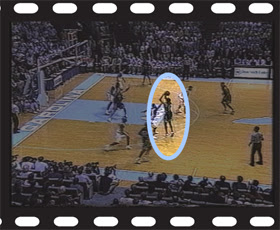
Two dozen college-aged men from both Duke and UNC who had passed a basketball literacy test to determine their true fandom were shown an edited tape of the Feb. 3, 2000 game at UNC's Dean Smith Center, which Duke won 90-86 in overtime. They watched the full game three times with a few like-minded friends, and then went into an MRI machine individually to watch a series of 12-second clips leading up to a shot. Each of the 64 taped segments ends just as a player releases the shot, and the subjects had to answer whether it went in the basket or not.

 Test subjects were more accurate at remembering a successful shot by their own team than a miss by their team or a successful shot by the other team. Positive emotion improved their memory and "broadened their attention," according to neuroscientist Kevin LaBar, who co-authored the study, which appeared in the Feb. 10 issue of the Journal of Neuroscience.

Subjects watched game video that froze just as a shot
was released and had to recall if  it went in or not.
| Courtesy of Duke Athletics
What the researchers saw in the MRI scan is multiple areas of the brain being recruited to assemble a memory. The fan's connection to the game includes an emotional component from the amygdala, a memory component from the hippocampus, and some empathy from the pre-frontal cortex as the subject feels some relation to the player or to the other fans on his side, LaBar said. Some of the sensory-motor areas light up, too, as if the subject is imagining himself as the shooter. Brain areas that control attention were more active for plays that benefitted the fan's team than for those that did not.

These brain regions function together to improve memory storage, particularly for emotionally intense plays, said LaBar, who is an associate professor of psychology & neuroscience.

Unfortunately, traumatic events can be stored in memory the same way, making them persistent and difficult to handle, said Rubin. "Brain imaging provides details we could not get with earlier technologies, such as studies of brain damage."

Ongoing studies by the same researchers are monitoring fans in real time as they watch a game to get a glimpse of what brain areas are involved in forming positive and negative memories in the first place. Rubin would also like to see how the brains of emotionally impaired and depressed people might respond differently.

A pilot study for the basketball experiment included a half-dozen women who had passed the super-fan test, but even after five or six showings of the game, their recall of the shots was too low to be useful. The researchers aren't sure why that happened, but would like to try again with women who played basketball or by using a tape of a women's basketball game to see if that makes a difference.

Rubin said the Duke fans and the UNC fans did equally well on the recall test, though the Duke fans tended to answer quicker and tended to be more sure of themselves. "They thought there were better, but they weren't," he said. Roberto Cabeza, a professor of psychology & neuroscience, Anne Botzung, a postdoctoral fellow, and Amanda Miles, who is now a graduate student, also participated in the research, which was supported by two grants from the National Institutes of Mental Health.

Source: Duke University

See also: The Cognitive Benefits Of Being A Sports Fan

Aerobic Efficiency Is Key To Olympic Gold For Cross-Country Skiers

Cross-country skiing is one of the most demanding of all Olympic sports, with skiers propelling themselves at speeds that exceed 20-25 km per hour over distances as long as 50 km. Yet the difference between winners and losers in these grueling races can be decided by just the tip of a ski, as a glance at any recent world-class competition will show. So just what gives top racers the advantage?

In an article to be published in the European Journal of Applied Physiology, Øyvind Sandbakk, a PhD candidate in the Norwegian University of Science and Technology's Human Movement Science Programme, reports with his colleagues on the metabolic rates and efficiencies of world-class skiers. Sandbakk's research offers a unique window on what separates the best from the rest in the world of elite cross-country racers.

"Skiers need high aerobic and anaerobic energy delivery, muscular strength, efficient techniques and the ability to resist fatigue to reach and maintain top speeds races," Sandbakk says. Those physical attributes may not be so very different from other world-class athletes, except that cross-country skiers also need to have mastered a variety of techniques and tempos, depending upon the course terrain, Sandbakk notes.

These challenges mean that the importance of the athlete's different physical capacities will differ in different sections of races, and between different types of competitions. For example, during the 10- and 15-km freestyle (skate) races in the Vancouver Olympics (the first of which are scheduled for February 15, with a 10km women's race and a 15 km men's race), skiers with high aerobic power (often referred to as maximal oxygen uptake per kilo body mass) will have an advantage in maintaining high speeds during the race, especially in the uphill terrain, Sandbakk says.

He says it is the uphill terrain that normally separates skiers the most during freestyle races. However, the 10- and 15-km courses also contain a great deal of level terrain, where an athlete with higher muscle mass and anaerobic power may have the edge needed to win.

Cross-country skiing also challenges skiers to master a great range of techniques for different speeds and slopes. Sandbakk predicts this factor will be crucial in the technically difficult Vancouver competition tracks. In skating races, skiers have as many as seven different skiing techniques (much like the gears on a bicycle) at their disposal, and they constantly shift between these different techniques during a single race.

"Skiers even adapt these seven techniques depending on the speed and slope," Sandbakk says. "The best skiers tend to ski with longer cycle lengths (the number of metres a skier moves his centre of mass per cycle), but with a similar cycle frequency," he says. "But during the last part of the race, the cycle frequency seems to be higher in the better skiers."

Another crucial aspect of technique is when the skier pushes off with his or her skate ski, and the skier's ability to recover quickly from the tremendous physical demand of providing a forceful push. "The ability to resist fatigue seems tightly coupled to the ability to maintain technique and keep up the cycle lengths and frequencies during a race," Sandbakk says. "In two skiers of otherwise equal fitness, this may be the deciding factor during the last part of the race in determining who wins the gold."

See also: The Physiology Of Speed and For Rock Climbers, Endurance Is Key To Performance

Source: The Norwegian University of Science and Technology (NTNU)  and Metabolic rate and gross efficiency at high work rates in world class and national level sprint skiers. European Journal of Applied Physiology

Wind Tunnel Is A Drag For Olympic Skeleton Riders

Noelle Pikus-Pace of the USA Olympic Team
Olympic skeleton athletes will hit the ice this week in Vancouver, where one-hundredths of a second can dictate the difference between victory and defeat.  Using state-of-the-art flow measurements, engineering professor Timothy Wei and students at Rensselaer Polytechnic Institute in Troy, N.Y., are employing science and technology to help the U.S. skeleton team trim track times and gain an edge over other sliders.

"Not much is known about the actual mechanics of skeleton, so we developed a unique suite of tools to help pull back the curtain a bit," said Wei, head of Rensselaer's Department of Mechanical, Aerospace, and Nuclear Engineering, who has previously worked with U.S. Olympic swimming coaches and athletes. "Even in the short time since developing the system, we have learned a whole lot more about how the athlete's suit, helmet, body movements, and positioning affect aerodynamics."

"The real-time aerodynamics work that Rensselaer has provided for us has helped to fine-tune our athletes' body positions and equipment in a way that we've never experienced before," said USA Skeleton Technology Coordinator Steve Peters. "These new concepts will give our athletes the data they need to remain competitive with the rest of the world."


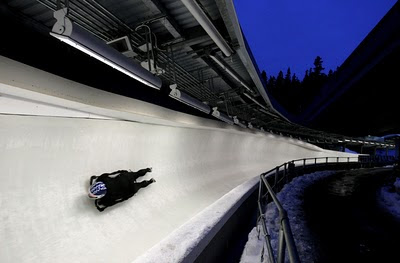
Lying face-down, and hitting speeds of more than 70 mph (112 kph), skeleton athletes maneuver their sleds down an icy, mostly-covered track rife with twists and turns. Skeleton sleds feature no steering or braking mechanisms, so body control and balance are critical for navigating the tracks. A relatively young sport, skeleton was permanently added to the Olympic program in 2002. Skeleton is rigorous on an athlete's body -- the vibrations and bodily stress are so intense that even Olympic contenders usually cannot slide more than four times per day, making it difficult to collect data.

So Wei set out to build a system that accurately simulated an actual skeleton run, while collecting as much data as possible. The professor understood that the more drag, or wind resistance, an athlete creates, the slower he or she is going to slide, so Wei needed to find a way to examine all the different variables: the clothing, headgear, and body position of sliders, as well as the skeleton sled itself. Studying drag requires wind, and the skeleton sled was slightly too large to fit into either of Rensselaer's two wind tunnels. The jet of air exiting the exhaust vent of the wind tunnel, however, worked perfectly.

Wei and his students created a replica section of a skeleton track directly behind the wind tunnel. They built sensors into the floor of the replica, onto which they placed a skeleton sled. Each sensor was fit with an oscilloscope, and sent digital data to a nearby computer that calculated the sled's pitch, roll, and balance -- technical terms for indicating if the slider is leaning backward, forward, left, or right. The sensors also measured wind resistance, or drag.

With a skeleton athlete lying on a sled in the test track, Wei turned on the wind tunnel. The steady stream of air exiting the wind tunnel's exhaust replicated the conditions of an actual skeleton run. Wei and his team cut a hole in the bottom of the test track, slid in a computer monitor, and covered the hole with clear plastic. This allowed the athletes to view, in real time, data and graphs clearly illustrating the impact that every little lean or tilt had on wind resistance, and thus on their speed.  One side wall of the track was also made from clear plastic, allowing coaches to observe the tests.

Wei and Peters brought 10 different skeleton athletes to Rensselaer for a test run on the new system. They tested a wide variety of skeleton suits and gear, some of which, Wei said, certainly created more drag than others.  "This is more information than these athletes have ever had about the impact of what they're doing while sliding," Wei said. "It was a real eye-opener for them."


To further test the athletes, suits, and headgear, Wei also developed a state-of-the-art diagnostic tool using a video-based flow measurement technique known as Digital Particle Image Velocimetry (DPIV). He bounced a green pulse laser off a cylindrical lens to create a thin sheet of light, which he shined over the shoulders of athletes laying the test system. Wei then introduced theatrical fog into the front of the test bed.

Wei videotaped the fog as it was pushed around by the wind tunnel exhaust, and then used sophisticated mathematics, computer modeling, and stop-motion video to track the behavior of the swirly fog as it rolled off the bodies and heads of the athletes. This data, he said, can be used to identify vortices, pinpoint the movement of air, and hopefully identify new and more detailed methods for skeleton athletes to reduce their drag.

Meanwhile, a team of undergraduate students in the O.T. Swanson Multidisciplinary Design Lab (MDL) at Rensselaer looked at different engineering techniques to help improve the skeleton sleds. They developed a data acquisition system for the sleds, which measured specific mechanical properties of the sled in real-time as the athlete guided it down the track. One component of this system is a camera that attaches to the slider's helmet, providing athletes and coaches with a new proof-of-concept tool from which to learn.

Wei is no stranger to applying science and technology to the world of sports. He has been working with USA Swimming for several years, using DPIV and other techniques to better understand how swimmers interact with the water. He also created a robust training tool that reports the performance of a swimmer in real-time, measuring how much energy the swimmer exerts with each kick. The tool helped several top-tier athletes trim seconds from their lap times.

Wei said he's confident that the United States will have a strong showing in skeleton in Vancouver, and that he's looking at ways to improve his technology to be even more effective when training swimmers to compete in the 2012 London Olympics and skeleton athletes to compete in the 2014 Winter Olympics in Sochi, Russia.

Source:Rensselaer Polytechnic Institute.

Top Athletes Can React Quicker

A study conducted by scientists at Brunel University and at the University of Hong Kong has found that expert sportsmen are quicker to observe and react to their opponents' moves than novice players, exhibiting enhanced activation of the cortical regions of the brain.

The results of the study, which appear in the most recent issue of NeuroReport, show that more experienced sports players are better able to detect early anticipatory clues from opposing players' body movements, giving them a split second advantage in preparing an appropriate response.
 
Recent studies have demonstrated how expertise affects a range of perceptual-motor skills, from the imitation of hand actions in guitarists, to the learning of action sequences in pianists and dancers. In these studies, experts showed increased activation in the cortical networks of the brain compared with novices.

Fast ball sports are particularly dependent on time-critical predictions of the actions of other players and of the consequences of those actions, and for several decades, sports scientists have sought to understand how expertise in these sports is developed.

This most recent study, headed by Dr Michael Wright, was carried out by observing the reaction time and brain activity of badminton players of varying degrees of ability, from recreational players to international competitors. Participants were shown video clips of an opposing badminton player striking a shuttlecock and asked to predict where the shot would land.

In all participants, activation was observed in areas of the brain previously associated with the observation, understanding and preparation of human action; expert players showed enhanced brain activity in these regions and responded more quickly to the movements of their opponents.

Expertise in sports is not only dependent on physical prowess, then, but also on enhanced brain activity in these key areas of the brain. The observations made during this study will certainly have implications for how we perceive the nature of expertise in sport and perhaps even change the way athletes train.

See also: The Cognitive Benefits of Being a Sports Fan and How To See A 130 MPH Tennis Serve

Source:  Wolters Kluwer Health / Lippincott Williams & Wilkins and Functional MRI reveals expert-novice differences during sport-related anticipation : Neuroreport

Month Of Birth Determines Success In Sports

The month of your birth influences your chances of becoming a professional sportsperson, an Australian researcher has found.  Senior research fellow Dr. Adrian Barnett from Queensland University of Technology's Institute of Health and Biomedical Innovation studies the seasonal patterns of population health and found the month you were born in could influence your future health and fitness.

The results of the study are published in the book Analysing Seasonal Health Data, by Barnett, co-authored by researcher Professor Annette Dobson from the University of Queensland.
Barnett analysed the birthdays of professional Australian Football League (AFL) players and found a disproportionate number had their birthdays in the early months of the year, while many fewer were born in the later months, especially December.

The Australian school year begins in January. "Children who are taller have an obvious advantage when playing the football code of AFL," Dr. Barnett said. "If you were born in January, you have almost 12 months' growth ahead of your classmates born late in the year, so whether you were born on December 31st or January 1st could have a huge effect on your life."

Dr. Barnett found there were 33 percent more professional AFL players than expected with birthdays in January and 25 percent fewer in December. He said the results mirrored other international studies which found a link between being born near the start of school year and the chances of becoming a professional player in the sports of ice hockey, football, volleyball and basketball.

"Research in the UK shows those born at the start of the school year also do better academically and have more confidence," he said. "And with physical activity being so important, it could also mean smaller children get disheartened and play less sport. If smaller children are missing out on sporting activity then this has potentially serious consequences for their health in adulthood."

Dr. Barnett said this seasonal pattern could also result in wasted talent, with potential sports stars not being identified because they were competing against children who were much more physically advanced than them. He said a possible solution was for one of the sporting codes in Australia to change the team entry date from January 1st to July 1st.


Source: Springer and Analysing Seasonal Health Data.

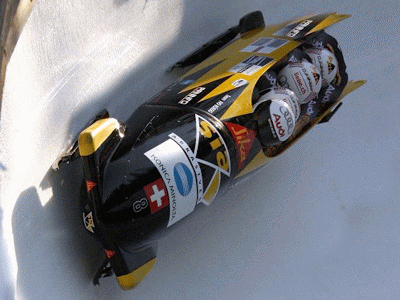
Swiss Team Bobbing For Gold In Vancouver

Switzerland has a long tradition of bobsledding and the Swiss Bobsleigh Federation has a remarkable record at international competitions. Currently, Switzerland even boasts two reigning world champions: Ivo Rüegg in the two-man bob and junior world champion Sabina Hafner. Moreover, pilot Beat Hefti won last year’s world cup season – also in the two-man bob.

To be better than the rest, the athletes not only need talent and experience, but also a fast bobsled. No one knows this better than former bobsledder and leader of the “CITIUS” project, Christian Reich: “for a pilot, being able to rely on a strong team and fast equipment is the key to good performance.”

Consequently, three years ago a joint venture between the Swiss Bobsleigh Federation (SBSV), researchers from ETH Zurich and Swiss industrial companies set about building a high-speed bobsled from scratch. “We wanted to build a bobsled that was faster than the competition because in bobsledding you can’t afford to sit back”, explains Peter J. Schmid, Central President of the SBSV.

The project was named “CITIUS” after the motto of the Olympic Games, “Citius, altius, fortius” (faster, higher, stronger). Last Fall, after thousands of hours of development and numerous trials in the wind tunnel and on the ice track, the developers and federation representatives handed over the new high-tech sled to the Olympic bobsled squad in front of the media.

Eliminating brake sources
As far as ETH Zurich was concerned, about two dozen researchers from the Departments of Mechanical Engineering, Process Engineering and Materials Science were involved in the development of the bobsled. It was their job to refine the material whilst keeping to the specifications of the International Bobsleigh Federation and optimize the runners, aerodynamics, stability and vibrations.

Professor Ueli Suter, Program Coordinator at ETH Zurich, said that, “For a vehicle without an engine that hurtles down an ice track at 150 km/h, finding all the important brake sources, then eliminating them and still producing a safe piece of equipment for the athletes is a complex interdisciplinary undertaking.”

Extensive industrial expertise sought
The results of the research conducted at ETH Zurich were passed on to project supervisor Christian Reich, who in turn passed them on to the development, training and production workshops of the specialist industrial companies (see box). Dr. Jürg Werner, the head of V-Zug AG’s development department, said, “The industrial partners involved contributed their expertise to the project because they feel an affinity to Swiss bobsledding. The collaboration with ETH Zurich and among industrial partners resulted in a welcome transfer of knowledge. CITIUS stands for innovation, as do the industrial partners involved.”

The countdown is on!
A total of six two-man bobsleds and three four-man bobsleds of the “CITIUS” model have been constructed and are ready to compete for hundredths of a second. The final test runs are scheduled for the second half of October in Cesana/Turin before the Swiss pilots are given their first and only opportunity to train with the new bobsleds on Whistler’s Olympic bobsled track. Shortly afterwards, the world cup season gets underway with the first race in Park City.

The bobsled competition at the Winter Olympics in Vancouver will be held from February 20 – 27 2010. By then at the latest, we should know whether the big efforts of all those involved in the “CITIUS” project have paid off and whether Switzerland can add to its medal collection as a bobsledding nation.

Source: ETH Zuerich

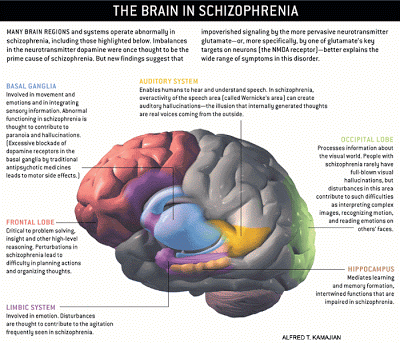
Exercise May Help Schizophrenia Patients

Potentially beneficial brain changes (an increase in the volume of an area known as the hippocampus) occur in response to exercise both in patients with schizophrenia and healthy controls, according to a report in the February issue of Archives of General Psychiatry, one of the JAMA/Archives journals. The findings suggest that the brain retains some plasticity, or ability to adapt, even in those with psychotic disorders.

Schizophrenia is known to be associated with a reduced volume in the area of the brain known as the hippocampus, which helps regulate emotion and memory, according to background information in the article. "In contrast to other illnesses that may display psychotic features, such as bipolar disorder, schizophrenia is often characterized by incomplete recovery of psychotic symptoms and persistent disability," the authors write. "These clinical features of illness may relate to an impairment of neural plasticity or mechanisms of reorganizing brain function in response to a challenge."

The formation of new neurons is one component of plasticity; previous studies have shown that neuron growth in the hippocampus of healthy individuals can be stimulated by exercise. Frank-Gerald Pajonk, M.D., of The Saarland University Hospital, Homburg, and Dr. K. Fontheim's Hospital for Mental Health, Liebenburg, Germany, and colleagues assessed changes in hippocampal volume in response to an exercise program in both male patients with schizophrenia and men who had similar demographics and physical characteristics but did not have the condition.

Eight participants with schizophrenia and eight controls were randomly assigned to exercise (supervised cycling) three times per week for 30 minutes, whereas an additional eight patients with schizophrenia instead played tabletop football for the same period of time. The game enhances coordination and concentration but does not affect aerobic fitness. All participants underwent fitness testing, magnetic resonance imaging of the hippocampus, neuropsychological testing and other clinical measures before and after participating in the program for 12 weeks.

Following exercise training, hippocampal volume increased 12 percent in patients with schizophrenia and 16 percent in healthy controls. "To provide a context, the magnitude of these changes in volume was similar to that observed for other subcortical structures when patients were switched from typical to atypical antipsychotic drug therapy," the authors write. Conversely, patients with schizophrenia who played tabletop football instead of exercising experienced a 1 percent decrease in hippocampal volume.

Aerobic fitness also increased among all who exercised, and improvement in test scores for short-term memory was correlated with increases in hippocampal volume among patients and healthy controls.
"Further clinical studies are needed to determine if an incremental improvement in the disability related to schizophrenia could be obtained by incorporating exercise into treatment planning and lifestyle choice for individuals with the illness," the authors conclude.

Sources:  JAMA and Archives Journals  and  Hippocampal Plasticity in Response to Exercise in Schizophrenia

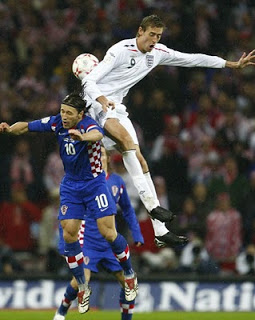
Soccer Referees Biased Against Tall Players

In this World Cup year, when football (soccer) passions are running high, supporters might be forgiven for objecting to every decision to award a foul against their team, made by referees. But they might also have a point. Researchers at Rotterdam School of Management, Erasmus University have researched all recorded fouls in three major football competitions over seven years. They discovered an ambiguous foul is more likely to be attributed to the taller of two players.

Dr. Niels van Quaquebeke and Dr. Steffen Giessner, scientists at Rotterdam School of Management, Erasmus University began their research by transferring their insights from decision making in business into the arena of sports. Specifically, they wanted to investigate whether people consider the available information in such ambiguous foul situations in an unbiased, i.e. subconsciously unprejudiced, way.

Based on evolutionary and linguistic research which has revealed that people associate the size of others with concepts such as aggression and dominance, Van Quaquebeke and Giessner speculated that ambiguous fouls are more likely to be attributed to the taller of two involved players. Results indicate that respectively taller people are more likely to be perceived by referees (and fans!) as foul perpetrators and their respectively smaller opponents as foul victims.

To put their assumption to a test, the scientists analysed all fouls recorded by Impire AG in seven seasons of UEFA Champions League (32,142 fouls) and German Bundesliga (85,262 fouls), the last three FIFA World Cups (6,440 fouls) as well as data from two additional perceptual experiments with football fans. For all seasons, leagues, and data collection methods, their analyses revealed the same picture confirming their initial assumption: taller people are indeed more often held accountable for fouls than shorter ones -- even when no actual foul was committed.

An article based on their research will be published in the Journal of Sport & Exercise Psychology in February 2010.

Van Quaquebeke said, "We chose football as the context of our studies because the sport often yields ambiguous foul situations in which it is difficult to determine the perpetrator. In such situations, people must rely on their 'instincts' to make a call, which should increase the use and thus the detectability of a player's height as an additional decision cue. Furthermore, the use of referee assistance technology and adequate referee training is frequently debated in association football. Thus, by providing scientific insights on potential biases in refereeing, our work might help officials weigh the options."

Both researchers say, however, that it is not their call how to derive conclusions for football practice.

Sources:   Erasmus University Rotterdam and "How embodied cognitions affect judgments: Height-related attribution bias in football foul calls"

Stroke Patients Benefit From New Brain And Motor Skills Research

Bioengineers have taken a small step toward improving physical recovery in stroke patients by showing that a key feature of how limb motion is encoded in the nervous system plays a crucial role in how new motor skills are learned.

Published in a recent issue of Neuron, a Harvard-based study about the neural learning elements responsible for motor learning may help scientists design rehabilitation protocols in which motor adaptation occurs more readily, potentially allowing for a more rapid recovery.

Neuroscientists have long understood that the brain's primary motor cortex and the body's low-level peripheral stretch sensors encode information about the position and velocity of limb motion in a positively-correlated manner rather than as independent variables.

"While this correlation between the brain's encoding of the position and the velocity of motion is well-known, its potential importance and practical use has been unclear until now," says coauthor Maurice A. Smith, Assistant Professor of Bioengineering at the Harvard School of Engineering and Applied Sciences (SEAS) and the Center for Brain Science in the Faculty of Arts and Sciences.

Smith and colleagues showed that the correlated neural tuning to position and velocity is also present in the neural learning elements responsible for motor learning. Moreover, this correlated drive can explain key features of the motor adaptation process.

To study and record motor adaptation, the researchers had subjects grasp a robotic arm. The device was programmed to simulate novel physical dynamics as subjects made reaching motions. In addition, the team used a newly developed measurement technique called an "error-clamp" to tease apart the resulting data.

The method measures motor output during learning, allowing learning-related changes in motor output over the course of a movement to be dissociated from feedback adjustments that correct motor errors that happen simultaneously.

"Conceptually, this error-clamp is analogous to a voltage-clamp, commonly used in electrophysiology to measure how ions move through a neuron's membrane when it fires," explains lead author Gary C. Sing, a graduate student at SEAS. "The general idea is that devising an experimental method to clamp and control the key variable in an experiment can allow for greater insight into the underlying physiology."

Analysis of the data extracted by the error-clamp technique led to the creation of a computational model that identifies a set of vectors that characterize the principal components of motor adaptation in the state space of physical motion. While such analysis is commonplace in systems engineering -- for example, in evaluating how a bridge might react to high winds or earthquakes -- the method has only been recently applied to how motor output evolves.

"We observed that the initial stages of motor learning are often quick but non-specific, whereas later stages of learning are slower and more precise," says Sing. "Further, we saw that some physical patterns of movement are learned more quickly than others."

By understanding what types of motor adaptations are easier to learn, the researchers hope to design rehabilitation activities that will encourage patients to use an affected limb more.

"In stroke rehabilitation, patients who make a greater effort to use their impaired limbs can achieve better outcomes," says Smith. "However, there is often a vicious cycle, as a patient is far less likely to use an impaired limb if his or her other limb is fine. This pattern slows recovery and leads to greater impairment of the affected limb."

Smith and his colleagues are beginning studies with stroke patients to determine whether training them with such optimized patterns will, in fact, improve their rate of motor learning and speed up recovery.
More broadly, untangling the algorithms the brain uses for motor learning could help improve a wide range of neural and muscular rehabilitation programs. The researchers also anticipate that such findings could be one day be adapted for enhancing the brain/machine interfaces increasingly used for those with amputated limbs.

Sources:  Harvard University and "Primitives for Motor Adaptation Reflect Correlated Neural Tuning to Position and Velocity"

For Exercise, Kids Do As Parents Say Not As They Do


According to a new study, there is no direct link between parents' own level of physical activity, and how much their child may exercise. In fact, parents' perceptions of their children's athleticism are what have a direct impact on the children's activity.

The study by Oregon State University researchers Stewart Trost and Paul Loprinzi, published in the journal Preventive Medicine, studied 268 children ages 2 to 5 in early childhood education centers in Queensland, Australia. Of these children, 156 parents or caregivers were surveyed on their parental practices, behaviors related to physical activity and demographic information.
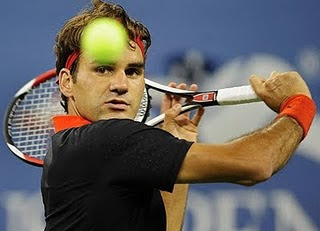
What they found is that parents' level of physical activity is not directly associated with their children, but instead that the direct link was between parental support and a child's level of physical activity.

"Active parents may be more likely to have active children because they encourage that behavior through the use of support systems and opportunities for physical activity, but there is no statistical evidence that a child is active simply because they see that their parents exercise," Trost said.

Trost, who is director of the Obesity Prevention Research Core at the new Hallie Ford Center for Healthy Children and Families at OSU, is an international expert on the issue of childhood obesity.

His study found that parents who think their children have some sort of athletic ability were much more likely than other parents to provide instrumental and emotional support for young children to be physically active.

"I think this underscores the need for parents to provide emotional support, as well as opportunities for activity," Trost said. "Regardless of whether a child is athletic or is perceived to be physically gifted, all children need opportunities and encouragement of physical activity."

However, Trost said parental support of physical activity did not translate to a child's behavior once they were not in the home and were in a childcare setting. He said this adds to the body of research showing that both parents as well as childcare providers must provide support for physical activity.

Sources:  Oregon State University and Parental influences on physical activity behavior in preschool children, Preventive Medicine
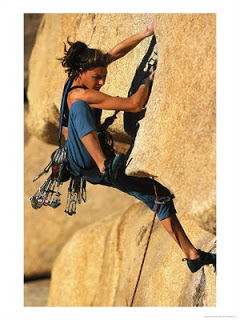
For Rock Climbers, Endurance Is Key To Performance


The maximum time an athlete is able to continue climbing to exhaustion may be the only determinant of his/her performance. A new European study, led by researchers from the University of Granada, the objective of which is to help trainers and climbers design training programmes for this type of sport, shows this to be the case.

Until now, performance indicators for climbing have been low body fat percentage and grip strength. Furthermore, existing research was based on the comparison of amateur and expert climbers. Now, a new study carried out with 16 high-level climbers breaks with this approach and reveals that the time it takes for an athlete to become exhausted is the only indicator of his/her performance.

Vanesa España Romero was the first author of the work and is a researcher at the University of Granada.
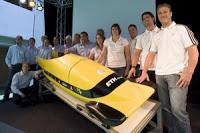
The study, published in the European Journal of Applied Physiology, analyses the physiological parameters that determine performance in this sport at its highest level. The participants, eight women with an average rating of 7a (the scale of difficulty of a climbing route is graded from 5 to 9, with sub-grades of a, b and c) and eight men with an average rating of 8a, were divided into an "expert group" and an "elite group."

The researchers assessed the climbers with body composition tests (weight, height, body mass index, body fat %, bone mineral density, and bone mineral content), kinanthropometry (length of arms, hands and fingers, bone mineral density and bone mineral content of the forearm), and physical fitness tests (flexibility, strength of the upper and lower body and aerobic capacity measured at a climbing centre).
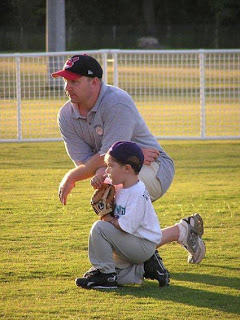
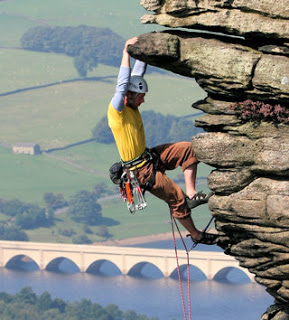
The results show there to be no significant differences between expert and elite climbers in any of the tests performed, except in climbing time to exhaustion and in bone mineral density, both of which were higher in the elite group. "Therefore, the maximum climbing time to exhaustion of an athlete is the sole determinant of performance," the researcher confirms.
Sport climbing began as a form of traditional climbing in the mid 80s, and is now a sport in its own right. The International Federation of Sport Climbing is currently requesting its inclusion as an Olympic sport.

The increase in the number of climbers and the proliferation of climbing centres and competitions have contributed to its interest in recent years, although there is limited scientific literature on climbing effort.

The most important research relates to energy consumption (ergospirometry, heart rate and lactic acid blood concentrations), the designation of maximum strength and local muscular resistance of climbers (dynamometry and electromyography), and to establishing anthropometric characteristics.

According to experts, a fundamental characteristic of sport climbing is its "vertical dimension," making it unique given its postural organisation in space, and from a physiological point of view, the effect a gravitational load has on movements.

In short, to complete a climb successfully, athletes should maintain their effort for as long as possible to improve their chances of reaching the ultimate goal.

Sources: FECYT - Spanish Foundation for Science and Technology and Climbing time to exhaustion is a determinant of climbing performance in high-level sport climbers. European Journal of Applied Physiology.