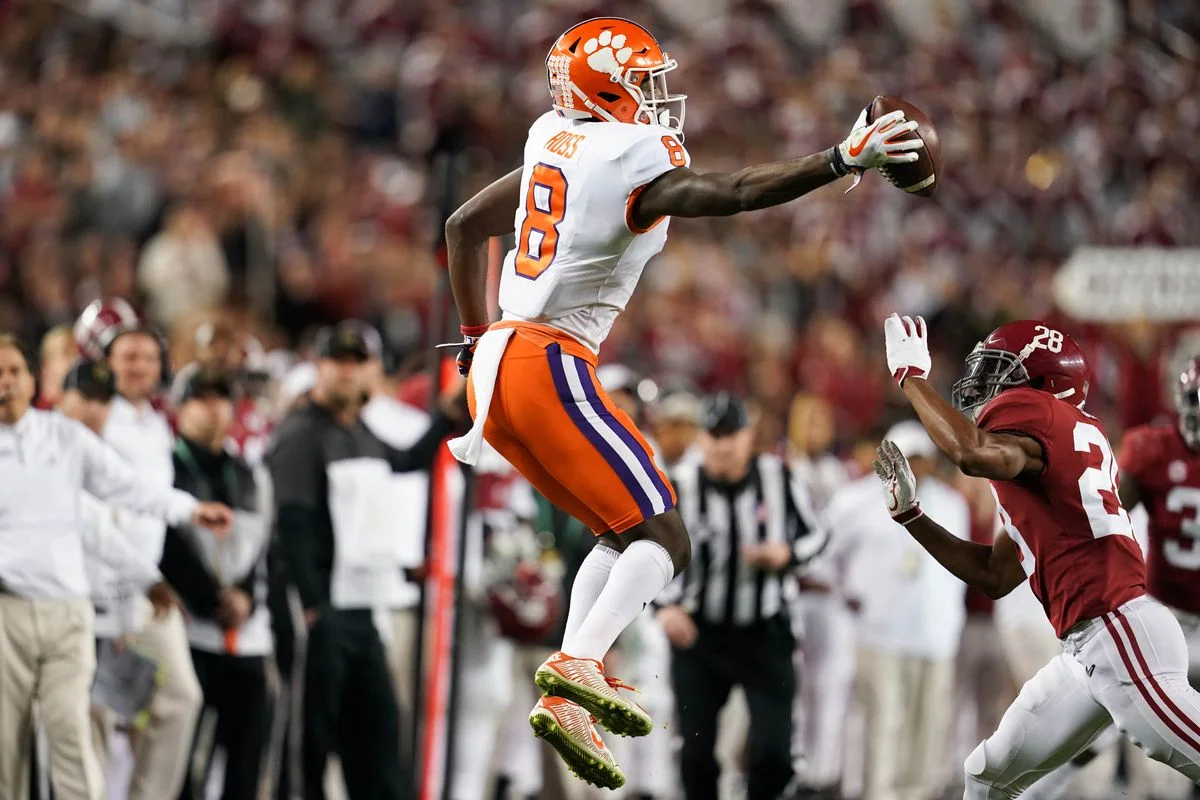
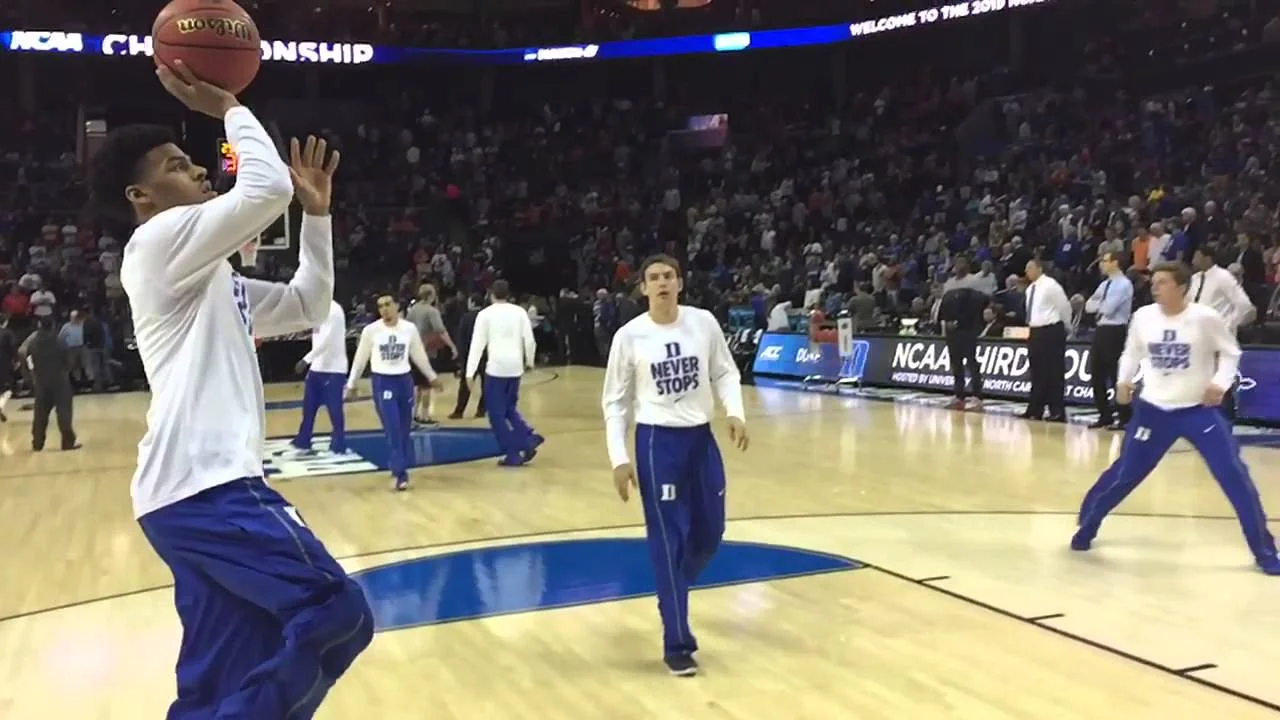
Top NCAA Men's Basketball Programs Are A Self-Fulfilling Prophecy

Why is it that the same teams seem to dominate March Madness, the annual NCAAmen's collegiate basketball tournament? For that matter, why does the same small group of institutions seem to top annual best-college rankings?  According to a theory developed by a Duke University engineer, these hierarchies are not only natural, but predictable.

Read More

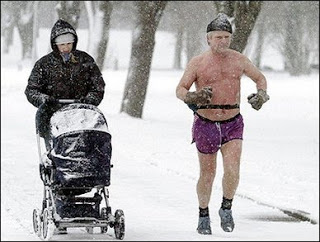
Research Says Don't Bother With Stretching Before You Run

Stretching before a run neither prevents nor causes injury, according to a study presented at the 2011 Annual Meeting of the American Academy of Orthopaedic Surgeons (AAOS).  More than 70 million people worldwide run recreationally or competitively, and recently there has been controversy regarding whether runners should stretch before running, or not at all.

This study included 2,729 runners who run 10 or more miles per week. Of these runners, 1,366 were randomized to a stretch group, and 1,363 were randomized to a non-stretch group before running. Runners in the stretch group stretched their quadriceps, hamstrings, and gastrocnemius/soleus muscle groups. The entire routine took 3 to 5 minutes and was performed immediately before running.

The study found that stretching before running neither prevents nor causes injury. In fact, the most significant risk factors for injury included the following:
  • history of chronic injury or injury in the past four months;
  • higher body mass index (BMI); and
  • switching pre-run stretching routines (runners who normally stretch stopping and those who did stretch starting to stretch before running).
"As a runner myself, I thought stretching before a run would help to prevent injury," said Daniel Pereles, MD, study author and orthopaedic surgeon from Montgomery Orthopedics outside Washington, DC. "However, we found that the risk for injury was the same for men and women, whether or not they were high or low mileage runners, and across all age groups. But, the more mileage run or the heavier and older the runner was, the more likely he or she was likely to get injured, and previous injury within four months predisposed to even further injury," he added.

Runners who typically stretch as part of their pre-run routine and were randomized not to stretch during the study period were far more likely to have an injury. "Although all runners switching routines were more likely to experience an injury than those who did not switch, the group that stopped stretching had more reported injuries, implying that an immediate shift in a regimen may be more important than the regimen itself," he added.

The most common injuries sustained were groin pulls, foot/ankle injuries, and knee injuries. There was no significant difference in injury rates between the runners who stretched and the runners who didn't for any specific injury location or diagnosis.

Source: American Academy of Orthopaedic Surgeons

See also: Get Off The Treadmill And On The Trail and High Intensity Workout Gets The Job Done

Is There Bias In Selection Of March Madness Teams?

By examining historical data, statisticians in the College of Science at Virginia Tech have quantified biases that play a role in granting Division I at-large basketball teams inclusion in the NCAA March Madness Tournament.

Assistant professors Leanna House and Scotland Leman found that in addition to the standard Ratings Percentage Index (RPI) used by the 10-member selection committee, biases such as the team's marquee and the strength of its schedule also increase the entry odds for college basketball's tournament.

"We wanted to quantify how much bias there is for bubble teams," Leman said. So-named "bubble teams" are those that do not have an automatic bid but are still considered potential teams to be invited to the tournament. Usually bout 30 teams fall into this category.

One bias for bubble teams, House and Leman found, was consideration of the marquee (or pedigree) of the team. For instance, a team that historically has an outstanding record and is usually included in the tournament has that fact in its favor.

"Having a rich history of a spot in the tournament will 'break the tie,'" House said.  She and Leman found that inclusion probabilities were much higher for marquee teams. For example, in the 2009-10 season, the bias of not being a marquee team lowered Virginia Tech's chances of receiving an at-large bid from 0.83 to 0.31. During the 1999-2000 season, the marquee bias increased the University of North Carolina's chances from 0.32 to 0.85.

"UNC's marquee status during that season had a substantial influence on the committee's decision." Leman said. "Of that, I'm sure."

The statisticians also explored the influence a team's schedule has on its RPI in addition to its record. By using a hypothetical model, Leman and House determined that the more powerhouse teams a bubble team plays in a season, regardless of whether they win or lose, will help them win a bid in the tournament.
"Of course scheduling is a complex process and involves a lot of negotiation," Leman said. "But in cases where a coach is able to select to play a powerful team or a smaller, less powerful team, it is better to pick the power team. The rule of thumb is: the more powerhouse teams, the better."

At the beginning of each March Madness decision-making process, the selection committee is provided documentation that contains season statistics and the RPI for each team. Other measures of team strength are excluded.

"The RPI accounts for known, quantitative biases in raw winning percentages that may impact their ratings, but it has been shown repeatedly that raw winning percentages per team are not adequate for ranking teams," Leman said. "Tournament decisions made for teams with only moderately high RPIs (bubble teams), until now, were not clear."

Leman and House say their research was motivated by a chance meeting with Virginia Tech head basketball coach Seth Greenberg in a restaurant in the spring of 2010. At that time, Virginia Tech had not won a bid for the tournament. Greenberg suggested that he would like to know how tournament decisions are made for at-large teams.

The two statisticians, along with graduate assistants John Szarka and Hayley Nelson, stepped up to the challenge and have presented their conclusions just in time for this year's March Madness to begin.
"We don't want to create, improve, or validate a ranking system," House said. "Our goal was simply to evaluate how the selection committee has chosen teams for the tournament in the past."

Source: Virginia Tech

See also: For Sports Betting, The Crowd Usually Picks The Favorite and Sports Superstitions Just Might Work

Coaches Can Be Moral Role Models

Highly publicized ethical lapses by sports celebrities have raised questions about morality in athletics. If coaches help their athletes achieve peak physical performance, can they also teach their sports charges to make ethical choices?

New research from Concordia University has examined how coaches exert moral influence over athletes and how athletes respond. The study garnered data from 17 elite coaches who had once been athletes themselves.

The investigation found compelling evidence that coaches can provide important moral guidance for their athletic charges. "Coaches have a unique relationship with their athletes," says Sandra Peláez, who completed the study as part of her PhD thesis at Concordia's School of Graduate Studies and Department of Exercise Science.

"Coaches are mentors, parent figures, career enablers, and judges -- all at the same time," continues Peláez. "Every coach, however, doesn't influence every athlete he or she works with. The coach-athlete relationship is what enables a coach's influence and therefore determines how much influence a coach has. We found athletes would evaluate the relationship with their coaches and then decide whether to accept moral guidance or not."

Be good or be benched
Like most people, the study found athletes receive early moral direction from their parents. Yet as athletes become more engaged in sport, coaches become their most important source of moral guidance. This may be because athletes admire and trust their coaches. It may also be because coaches have significant power to enforce their standards, if only by "benching" players who do not adhere to rules.

While study participants agreed that moral influence was an important aspect of coach-athlete relationships, they found morality hard to define. In the course of the study, four core moral values emerged. These were "elite sports involvement" (e.g. discipline), "interaction with others" (e.g. respect), "self-related" (e.g. enjoying the sport) and "game" (e.g. striving to win).

Coaches' cultural backgrounds also influenced their definitions of morality. "Cultural differences are crucial -- and this study is the first to draw attention to this important point," says Peláez. "Things that are accepted in one culture are not accepted in others. For example, in some Eastern European countries, you are either training or you are in the hospital. If you skip practice, you will be punished because it's your moral obligation to be there. It's part of your commitment to your country, your teammates and your coach."

Moral concepts inherited
The study also broke new ground by showing that coaches inherit their moral values from their own coaches. Participants discussed moral issues using what their own coaches did as their frame of reference. Whether they copied these practices or criticized them, their understanding of morality was based on what they learned from their coaches when they were athletes.

"Getting coaches to articulate how they see their role -- how they feel they can influence the process -- is important," says Simon Bacon, a professor in Concordia's Department of Exercise Science and Sandra Peláez's thesis supervisor.

"Our study results will help us develop materials to increase moral behaviours in sports settings," he continues. "Many children participate in organised sport and spend considerable time with coaches. Understanding how coaches influence moral development and ultimately build character is important to society, as it offers another way to teach moral values."

Source: Concordia University

See also: Youth Sports Coaches Should Prioritize Teaching Over Winning and For Exercise, Kids Do As Parents Say Not As They Do

Overweight Kids Think Better After Exercise

Regular exercise improves the ability of overweight, previously inactive children to think, plan and even do math, Georgia Health Sciences University researchers report.  They hope the findings in 171 overweight 7- to 11-year-olds -- all sedentary when the study started -- gives educators the evidence they need to ensure that regular, vigorous physical activity is a part of every school day, said Dr. Catherine Davis, clinical health psychologist at GHSU's Georgia Prevention Institute and corresponding author on the study in Health Psychology.

"I hope these findings will help reestablish physical activity's important place in the schools in helping kids stay physically well and mentally sharp," Davis said. "For children to reach their potential, they need to be active."

To measure cognition, researchers used the Cognitive Assessment System and Woodcock-Johnson Tests of Achievement III that measure abilities such as planning and academic skills such as math and reading. A subset of the children received functional magnetic resonance imaging highlighting increased or decreased areas of brain activity.

MRIs showed those who exercised experienced increased brain activity in the prefrontal cortex -- an area associated with complex thinking, decision making and correct social behavior -- and decreased activity in an area of the brain that sits behind it. The shift forward appears consistent with more rapidly developing cognitive skills, Davis said.

And the more they exercised, the better the result. Intelligence scores increased an average 3.8 points in those exercising 40 minutes per day after school for three months with a smaller benefit in those exercising 20 minutes daily.

Activity in the part of their brain responsible for so-called executive function also increased in children who exercised. "In kids you just don't know what impact you are going to have when you improve their ability to control their attention, to behave better in school, to make better choices," Davis notes. "Maybe they will be more likely to stay in school and out of trouble."

Similar improvements were seen in math skills; interestingly, no improvements were found in reading skill. Researchers note that improved math achievement was "remarkable" since no math lessons were given and suggests longer intervention could produce even better results.

Children in the exercise program played hard, with running games, hula hoops and jump ropes, raising their heart rates to 79 percent of maximum, which is considered vigorous.

Cognitive improvements likely resulted from the brain stimulation that came from movement rather than resulting cardiovascular improvements, such as increased blood and oxygen supplies, Davis said. "You cannot move your body without your brain."

The researchers hypothesize that such vigorous physical activity promotes development of brain systems that underlie cognition and behavior. Animal studies have shown that aerobic activity increases growth factors so the brain gets more blood vessels, more neurons and more connections between neurons. Studies in older adults have shown exercise benefits the brain and Davis's study extends the science to children and their ability to learn in school.

About one-third of U.S. children are overweight. Davis suspects exercise would have a similar impact on their leaner counterparts.

Source: Medical College of Georgia and By Davis, Catherine L.; Tomporowski, Phillip D.; McDowell, Jennifer E.; Austin, Benjamin P.; Miller, Patricia H.; Yanasak, Nathan E.; Allison, Jerry D.; Naglieri, Jack A. Exercise improves executive function and achievement and alters brain activation in overweight children: A randomized, controlled trial.. Health Psychology, Vol 30(1), Jan 2011, 91-98

See also: Surprising Study Says Inactivity Not The Cause Of Childhood Obesity and Fit Kids Get Better Grades

For Sports Betting, The Crowd Usually Picks The Favorite

Point spreads -- the number of points by which a strong team can be expected to defeat a weaker team -- are supposed to reflect the "wisdom of crowds." But a new study in the Journal of Consumer Research found that crowds don't have a clue.

"Point spread betting markets seem to offer an important example of crowd wisdom, because point spreads are very accurate and are widely believed to reflect the 'crowd's' prediction of upcoming sporting events," write authors Joseph P. Simmons (Yale University), Leif D. Nelson (University of California at Berkeley), Jeff Galak (Carnegie Mellon University), and Shane Frederick (Yale University). But previous research shows that bettors are biased in their predictions; their intuitions tend to favor "favorites" over "underdogs", in everything from NFL football to NCAA basketball betting.

The authors conducted a season-long investigation of the betting habits of enthusiastic NFL football fans from diverse regions of the United States. Participants wagered more than $20,000 on football games against point spreads that were manipulated to favor the underdog.

The authors first tested a hypothesis that crowds will wisely choose underdogs against spreads that disadvantage favorites. The bettors failed this test, predicting vastly more favorites (89 percent) than underdogs. Next, they found that even when bettors were warned that the spreads had been increased they still predicted favorites only slightly less often (83 percent).

"In this context, the temptation to rely on one's intuition is so strong as to lead people to rely on what they intuitively feel to be true (this favorite will prevail against the spread) rather than on what they generally know to be true (the favorite will usually lose against the spread)" the authors write. And it seems people have trouble learning from their mistakes: the crowd's predictions worsened over time, rather than getting better.

Finally, the researchers hit upon a method of eliciting better choices. "Asking people to predict point differentials rather than make choices against point spreads decreased reliance on faulty intuitions and produced vastly different, and vastly wiser, predictions against the spread," the authors conclude.


Source:  University of Chicago Press Journals and Joseph P. Simmons, Leif D. Nelson, Jeff Galak, and Shane Frederick. Intuitive Biases in Choice vs. Estimation: Implications for the Wisdom of Crowds. Journal of Consumer Research, June 2011

See also: TV Ratings A Better Predictor Of NFL Consumer Demand Than Attendance and ESPN Study Finds Retired NFL Players Are Heavy Users Of Pain Meds

Youth Baseball Pitchers Need To Stay Under 100 Innings Per Year

For years, sports medicine professionals have talked about youth pitching injuries and the stress the motion causes on developing bones and muscles. In a new, 10-year study published in the February issue of the American Journal of Sports Medicine, researchers showed that participants who pitched more than 100 innings in a year were 3.5 times more likely to be injured.

"The study proved a direct link between innings pitched in youth and adolescent baseball and serious pitching injuries. It highlights the need for parents and coaches to monitor the amount of pitching for the long-term success and health of these young athletes. We need to all work together to end the epidemic of youth sports injuries, and education through campaigns like STOP Sports Injuries is in excellent first step," said lead researcher, Glenn S. Fleisig, PhD, of the American Sports Medicine Institute in Birmingham, Alabama.

The study followed 481 pitchers for 10-years (1999-2008). All were healthy, active youth (aged 9 to 14 years) baseball pitchers at the beginning of the study. Every year each participant was asked whether he played baseball in the previous 12 months and if so what positions, how many innings pitched, what types of pitches he threw, for what teams (spring, summer, fall, winter), and if he participated in baseball showcases. Each player was also asked every year if he had an elbow or shoulder injury that led to surgery or retirement from baseball.

During the 10-year span, five percent of the pitchers suffered a serious injury resulting in surgery or retirement. Two of the boys in the study had surgery before their 13th birthday. Only 2.2 percent were still pitching by the 10th year of the study.

"It is a tough balancing act for adults to give their young athletes as much opportunity as possible to develop skills and strength without exposing them to increased risk of overuse injury. Based on this study, we recommend that pitchers in high school and younger pitch no more than 100 innings in competition in any calendar year. Some pitchers need to be limited even more, as no pitcher should continue to pitch when fatigued," said Fleisig.

The study also looked at the trend of playing pitcher and catcher in the same game, which did appear to double or triple a player's risk of injury but the trend was not statistically significant. The study also could not determine if starting curveballs before age 13 increases the risk of injury.


Source:  American Orthopaedic Society for Sports Medicine and K. E. Wilk, L. C. Macrina, G. S. Fleisig, R. Porterfield, C. D. Simpson, P. Harker, N. Paparesta, J. R. Andrews. Correlation of Glenohumeral Internal Rotation Deficit and Total Rotational Motion to Shoulder Injuries in Professional Baseball Pitchers. The American Journal of Sports Medicine, 2010; DOI: 10.1177/0363546510384223

See also: Do Young Athletes Need Practice Or Genetics? A Conversation With Peter Vint and  Breaking Curveballs And Rising Fastballs Are Optical Illusions

ESPN Study Finds Retired NFL Players Are Heavy Users Of Pain Meds

Retired NFL players use painkillers at a much higher rate than the rest of us, according to new research conducted by investigators at Washington University School of Medicine in St. Louis.  The researchers say the brutal collisions and bone-jarring injuries associated with football often cause long-term pain, which contributes to continued use and abuse of painkilling medications.

The study is published online in the journal Drug and Alcohol Dependence. It involved 644 former NFL players who retired from football between 1979 and 2006. Researchers asked them about their overall health, level of pain, history of injuries, concussions and use of prescription pain pills.

The study found that 7 percent of the former players were currently using painkilling opioid drugs. That's more than four times the rate of opioid use in the general population. Opioids are commonly prescribed for their analgesic, or pain-relieving, properties. Medications that fall within this class of drugs include morphine, Vicodin, codeine and oxycodone.

"We asked about medications they used during their playing careers and whether they used the drugs as prescribed or whether they had ever taken them in a different way or for different reasons," says principal investigator Linda B. Cottler, PhD, professor of epidemiology in psychiatry at Washington University. "More than half used opioids during their NFL careers, and 71 percent had misused the drugs. That is, they had used the medication for a different reason or in a different way than it was prescribed, or taken painkillers that were prescribed for someone else."

Those who misused the drugs during their playing days were more likely to continue misusing them after retiring from football. Some 15 percent of those who misused the drugs as active players still were misusing them in retirement. Only 5 percent of former players who took the drugs as prescribed misused them after they retired from the NFL.

Cottler, director of the Epidemiology and Prevention Research Group in the Department of Psychiatry, says it's not clear from the study whether retired players became dependent on the drugs. What is clear from the survey, she says, is that retired NFL players continue to live with a lot of pain.
"The rate of current, severe pain is staggering," she says. "Among the men who currently use prescription opioids -- whether misused or not -- 75 percent said they had severe pain, and about 70 percent reported moderate-to-severe physical impairment."

Pain was one of the main predictors of current misuse. Another was undiagnosed concussion. Retired NFL players in the study experienced an average of nine concussions each. Some 49 percent had been diagnosed with a concussion at some point during their playing careers, but 81 percent suspected they had concussions that were not diagnosed. Some players believed they may have had up to 200 concussions during their playing days.

"Many of these players explained that they didn't want to see a physician about their concussions at the time," says Simone M. Cummings, PhD, a senior scientist in psychiatry who conducted phone interviews with the former players. "These men said they knew if they reported a concussion, they might not be allowed to play. And if you get taken out of a game too many times, you can lose your spot and get cut from the team."

She says players with suspected-but-undiagnosed concussions reported they borrowed pills from teammates, friends or relatives to treat the pain themselves, thus misusing opioids in an attempt to remain in the NFL. Although 37 percent of the retired players reported that they had received opioids only from a doctor, the other 63 percent who took the drugs during their NFL careers admitted that on occasion they got the medication from someone other than a physician.

Retired players currently misusing opioid drugs also are more likely to be heavy drinkers, according to Cottler.  "So these men are at elevated risk for potential overdose," she says. "They reported more than 14 drinks a week, and many were consuming at least 20 drinks per week, or the equivalent of about a fifth of liquor."

The ESPN sports television network commissioned the study, which also was funded by the National Institute on Drug Abuse. The ESPN program "Outside the Lines" spoke informally to many retired players about their use of painkillers. One reported taking up to 1,000 Vicodin tablets per month. Another reported ingesting 100 pills per day and spending more than $1,000 per week on painkillers.
Former St. Louis Rams offensive lineman Kyle Turley said in a statement to ESPN that he knew of many players who took drugs to help them deal with the pain inflicted by the injuries they sustained in the NFL.

"I know guys that have bought thousands of pills," Turley said. "Tons of guys would take Vicodin before a game."

The researchers say offensive linemen had particularly high rates of use and misuse of opioids.
"The offensive linemen were twice as likely as other players to use or misuse prescription pain medicines during their NFL careers," Cottler says. "In addition, this group tends to be overweight and have cardiovascular problems, so they represent a group of former players whose health probably should be monitored closely."

In fact, Cottler says it would be a good idea to continue monitoring everyone who has played in the NFL. She says this study revealed that some 47 percent of retired players reported having three or more serious injuries during their NFL careers, and 61 percent said they had knee injuries. Over half, 55 percent, reported that an injury ended their careers.

"These are elite athletes who were in great physical condition when their playing careers began," she says. "At the start of their careers, 88 percent of these men said they were in excellent health. By the time they retired, that number had fallen to 18 percent, primarily due to injuries. And after retirement, their health continued to decline. Only 13 percent reported that they currently are in excellent health. They are dealing with a lot of injuries and subsequent pain from their playing days. That's why they continue to use and misuse pain medicines."

Source:   Washington University School of Medicine and Linda B. Cottler, Arbi Ben Abdallah, Simone M. Cummings, John Barr, Rayna Banks, Ronnie Forchheimer. Injury, pain and prescription opioid use among former NFL football players. Drug and Alcohol Dependence, 2011; DOI: 10.1016/j.drugalcdep.2010.12.003

See also:  NFL Concussions Taking Bigger Toll On Players and NFL Linemen Trade Health For Super Bowl Rings

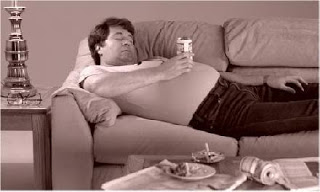
After The Game, Get Off The Couch

Spending too much leisure time in front of a TV or computer screen appears to dramatically increase the risk for heart disease and premature death from any cause, perhaps regardless of how much exercise one gets, according to a new study published in the January 18, 2011, issue of the Journal of the American College of Cardiology.

Data show that compared to people who spend less than two hours each day on screen-based entertainment like watching TV, using the computer or playing video games, those who devote more than four hours to these activities are more than twice as likely to have a major cardiac event that involves hospitalization, death or both.

The study -- the first to examine the association between screen time and non-fatal as well as fatal cardiovascular events -- also suggests metabolic factors and inflammation may partly explain the link between prolonged sitting and the risks to heart health.
The present study included 4,512 adults who were respondents of the 2003 Scottish Health Survey, a representative, household-based survey. A total of 325 all-cause deaths and 215 cardiac events occurred during an average of 4.3 years of follow up.

"People who spend excessive amounts of time in front of a screen -- primarily watching TV -- are more likely to die of any cause and suffer heart-related problems," said Emmanuel Stamatakis, PhD, MSc, Department of Epidemiology and Public Health, University College London, United Kingdom. "Our analysis suggests that two or more hours of screen time each day may place someone at greater risk for a cardiac event."

In fact, compared with those spending less than two hours a day on screen-based entertainment, there was a 48% increased risk of all-cause mortality in those spending four or more hours a day and an approximately 125% increase in risk of cardiovascular events in those spending two or more hours a day. These associations were independent of traditional risk factors such as smoking, hypertension, BMI, social class, as well as exercise.

The findings have prompted authors to advocate for public health guidelines that expressly address recreational sitting (defined as during non-work hours), especially as a majority of working age adults spend long periods being inactive while commuting or being slouched over a desk or computer.
"It is all a matter of habit. Many of us have learned to go back home, turn the TV set on and sit down for several hours -- it's convenient and easy to do. But doing so is bad for the heart and our health in general," said Dr. Stamatakis. "And according to what we know so far, these health risks may not be mitigated by exercise, a finding that underscores the urgent need for public health recommendations to include guidelines for limiting recreational sitting and other sedentary behaviors, in addition to improving physical activity."

Biological mediators also appear to play a role. Data indicate that one fourth of the association between screen time and cardiovascular events was explained collectively by C-reactive protein (CRP), body mass index, and high-density lipoprotein cholesterol suggesting that inflammation and deregulation of lipids may be one pathway through which prolonged sitting increases the risk for cardiovascular events. CRP, a well-established marker of low-grade inflammation, was approximately two times higher in people spending more than four hours of screen time per day compared to those spending less than two hours a day.

Dr. Stamatakis says the next step will be to try to uncover what prolonged sitting does to the human body in the short- and long-term, whether and how exercise can mitigate these consequences, and how to alter lifestyles to reduce sitting and increase movement and exercise.

Source:  American College of Cardiology and Emmanuel Stamatakis, Mark Hamer, and David W. Dunstan. Screen-Based Entertainment Time, All-Cause Mortality, and Cardiovascular Events: Population-Based Study With Ongoing Mortality and Hospital Events Follow-Up. Journal of the American College of Cardiology, 2011; 57: 292-299 DOI: 10.1016/j.jacc.2010.05.065

See also: Exercise - The Cure For The Common Cold and Training In The Heat Even Helps Competing In Cool Temps

How Fast Can Fast Get?

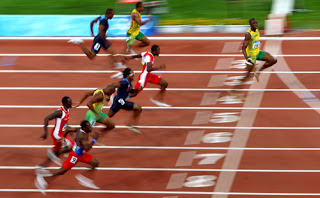
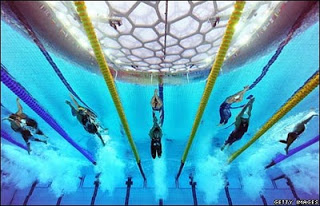
Running and swimming records are broken again and again at almost every international athletics event. But, can human performance continue to improve indefinitely? Will runners continue to accelerate off the starting blocks and reach the finish line in faster and faster times? Will swimmers always be able to dive into the record books with a quicker kick?

Writing in the International Journal of Applied Management Science, researchers from South Korea have analyzed data from sports events over the last one hundred years and have calculated that we could reach the upper limits on elite human performance within a decade.

Yu Sang Chang and Seung Jin Baek of the KDI School of Public Policy and Management in Seoul used non-linear regression models to accurately extrapolate the data from 61 running and swimming events. They have found the "time to limit" to be somewhere between 7.5 and 10.5 years. So, we may still see records being broken at the 2012 Olympics in London and perhaps at Rio 2016, but after that...who knows? The researchers believe their discovery of a "time to limit" has a number of policy implications for the local and national sport associations as well as for the international rule-setting federations.

Of course, US swimmer, Michael Phelps famously proclaimed that, "You can't put a limit on anything. The more you dream, the farther you get." Phelps has set around 40 world records. Sprinter Usain Bolt of Jamaica, similarly shaves split seconds from his 100-metre time almost every time he runs. Countless researchers have previously suggested that humans have a performance limit, Bolt's 9.58 second 100m shattered the previous theoretical running speed limit of 9.60s suggested 40 years ago.

"The limit of speed in sport events has been a popular topic for the public because watching athletes setting new records to win is exciting and stimulating for many sport fans," Chang and Baek suggest. "In addition, setting new world records may even be inspiring to the public because the process of improving and winning the competition reminds them of what they can accomplish in their own life."

Other researchers have criticized the use of linear regression to extrapolate to a limit. However, the present work uses the officially recognized world records on 61 sporting events during the period from 1900 to 2009. (29 running and 32 swimming events all at the Olympic level. "Therefore, this study may be the most comprehensive study undertaken so far," the researchers say.

Their statistical analysis suggests that improvements in running and swimming are slowing down and will eventually reach a maximum in the time period they suggest. However, their analysis does not take into account changes in the rules, measurements, and environmental conditions. If the governing federations move the starting blocks as it were, Phelps' prediction that there are no limits may come true and athletes will continue to make a splash in the record books indefinitely.

Source:  Inderscience Publishers  and Yu Sang Chang, Seung Jin Baek. Limit to improvement in running and swimming. International Journal of Applied Management Science, 2011; 3: 97-120

See also: The Fastest Man On No Legs and Usain Bolt Can Be Even Faster, Researchers Claim

Artificial Intelligence Gets A Kick From Soccer Androids

The world's best players may soon be facing a new challenge from football playing robots, which their creators claim will be able to play and beat a human team. According to new research in WIREs Cognitive Science, building robots to play football is driving the development of artificial intelligence and robotic technology which can be used for roles including search and rescue and home help.

The author, Claude Sammut, from the ARC Centre of Excellence for Autonomous Systems in Sydney, reviewed the technology demonstrated at the RoboCup international robot soccer competition which this year took place in Singapore. Competitions have become a popular way for motivating innovations in robotics and provide teams of scientists with a way of comparing and testing new methods of programming artificial intelligence (AI).

"Football is a useful task for scientists developing robotic artificial intelligence because it requires the robot to perceive its environment, to use its sensors to build a model of that environment and then use that data to reason and take appropriate actions," said Sammut. "On a football pitch that environment is rapidly changing and unpredictable requiring a robot to swiftly perceive, reason, act and interact accordingly."

As with human players football also demands communication and cooperation between robotic players and crucially requires the ability to learn, as teams adjust their tactics to better take on their opponents.
Aside from football the competition also includes leagues for urban search and rescue and robotic home helpers which take place in areas simulating collapsed buildings and residential homes, revealing the multiple use of this technology.
While a football pitch layout is structured and known in advance, a search and rescue environment is highly unstructured and so the competition's rescue arena presents developers with a new set of challenges. On the football pitch the robots are able to localize and orientate themselves by recognising landmarks such as the goal post, yet in a rescue situation such localization is extremely difficult, meaning that the robot has to simultaneously map its environment while reacting and interacting to the surroundings.

In the home help competitions the robot is programmed to recognise appliances and landmarks which will be common in most homes, but in addition to orientating themselves they must react and interact with humans.

As the robotic technology continues to develop the rules of the competitions are altered and made harder to encourage innovation, it is the organisers' aim that this will drive the technology to a level where the football playing robots could challenge a human team.

"In 1968 John McCarthy and Donald Michie made a bet with chess champion David Levy that within 10 years a computer program could beat him," concluded Sammut. "It took a bit longer but eventually such programs came into being. It is in that same spirit of a great challenge that RoboCup aims, by the year 2050, to develop a team of fully autonomous robots that can win against the human world soccer champion team."

So while, for the moment, football players can focus on beating each other to lift silverware, tomorrow they may be facing a very different challenge.

Source: Claude Sammut. Robot soccer. Wiley Interdisciplinary Reviews: Cognitive Science, 2010; DOI: 10.1002/wcs.86 and  Wiley - Blackwell

http://www.blogdash.com/full_profile/?claim_code=3f0607c6e0595617e95cbc4bcc3846fa

See also: Soccer Robots Are Getting Smarter At RoboCup and Soccer Robots Getting Smarter At RoboCup

Computerized Concussion Testing Yields More Cautious Return To Play Timeline

When computerized neuropsychological testing is used, high school athletes suffering from a sports-related concussion are less likely to be returned to play within one week of their injury, according to a study in The American Journal of Sports Medicine. Unfortunately, concussed football players are less likely to have computerized neuropsychological testing than those participating in other sports.

A total of 544 concussions were recorded by the High School Reporting Information Online surveillance system during the 2008-2009 school year. Researchers looked at each of those instances to see what caused the injury, what sport was being played, what symptoms were experienced, what type of testing was used, and how soon the athletes returned to play.

When looking at the causes and duration of concussions, the research found that:

* 76.2% of the concussions were caused by contact with another player, usually a head-to-head collision
* 93.4% of concussions caused a headache; 4.6% caused loss of consciousness
* 83.4% experienced resolution of their symptoms within a week, while 1.5% had symptoms that lasted longer than a month.

Computerized neuropsychological testing was used in 25.7% of concussions, and in those cases, athletes were less likely to return to play within one week, than those athletes for whom it was not used. Interestingly, however, researchers found that injured football players were less likely to be examined using the computerized neuropsychological testing than injured athletes participating in other sports.

"Although it is now recognized as one of 'the cornerstones of concussion evaluation,' routine neuropsychological testing in the setting of sports-related concussion is a relatively new concept," write the authors, William P. Meehan III, MD, Pierre d'Hemecourt, MD, and R. Dawn Comstock, PhD. "This is the first study, of which we are aware, to query the use of computerized neuropsychological testing in high school athletes using a large, nationally representative sample."

Source: High School Concussions in the 2008-2009 Academic Year: Mechanism, Symptoms, and Management. The American Journal of Sports Medicine, 2010; 38 (12): 2405 DOI: 10.1177/0363546510376737

See also: NFL Concussions Taking Bigger Toll On Players and Football Players May Still Injure Brain Even Without A Concussion

Do Young Athletes Need Practice Or Genetics? A Conversation With Peter Vint


Recently, while I was taking up my normal Saturday position on a youth soccer game sideline, I overheard a conversation between two parents as they watched the players warm-up. “I just love watching James play soccer.  He’s just one of those natural talents.” “I agree. Even though his parents never played growing up, he just seems to have inherited all the right genes to be a top player.” 

It’s a common belief among parents and some coaches that kids either have “it” or they don’t.  Of course, some skills can be gained from practice, but the talent theory of player development and team selection seems to favor the opinion that athletic skill is “hard-wired”, unable to progress much beyond the natural limit.

Now, several books are out to prove this theory incorrect, with titles such as “The Talent Code: Greatness Isn’t Born, Its Grown”, “Talent Is Overrated”, and “The Genius in All of Us: Why Everything You've Been Told About Genetics, Talent, and IQ Is Wrong.” The common thread through all of the research studies quoted by the authors is the mantra that practice makes perfect. More specifically, about 10,000 hours of highly structured practice is required to reach elite performance levels.

Is athletic success that black or white? Instead, is there a combination of talent and tenacity that is required to reach the top? I put these questions to an expert who spends most of his waking hours trying to find the answer.

Peter Vint
Peter Vint is the High Performance Director for the United States Olympic Committee. His responsibilities include leading and coordinating the efforts of sport science and medical professionals focused on the Olympic sports of swimming, track and field, shooting, equestrian, weightlifting, and golf as well as the Pan Am sports of bowling and water skiing.

His team is responsible for conceptualizing, developing, and implementing successful and sustainable applied sport science programs with a focus on maximizing athlete development, performance, and longevity.

Recently, Peter was kind enough to endure my endless questions on this topic. Here is a synopsis of our conversation:

Dan Peterson: Peter, what makes a great athlete? Is it raw, inherited talent or years of dedicated practice?

Peter Vint: The question of what makes an athlete great is very complex.  The extent to which performance is influenced by genetic predisposition or the expression of these traits through extensive hard work and practice is not at all a black and white issue. Human performance is always nuanced and complicated and multivariate. That said, if forced to give an opinion, I would absolutely fall on the nurture/deliberate practice side of this issue than on the nature/"giftedness" side.

But, whether you subscribe to the narratives in The Talent Code, Talent is Overrated, Bounce, Outliers, Genius in All of Us, etc. or not, a great number of the cited references in these books are solid and substantial. Be sure to review the footnotes and bibliographies.

DP:  Most of the books you reference go back to the research of K. Anders Ericsson of Florida State University, known as the “expert on experts.”  His theory states that an individual needs at least 10 years and 10,000 hours of deliberate practice in their chosen sport or skill to become world-class.  Some authors take this literally and suggest that is all that is needed.  Do you agree?

PV:  First, it’s important to recognize that the 10 year/10,000 hr rule is more of a general guideline than an absolute standard. Ericsson is very clear on this but perhaps owing to the simplicity of the message, it is quite possible that the general public has interpreted this in a more absolute sense. That said, I do think that Ericsson’s work is being somewhat oversimplified in that he, and others in this field, realize that there are obvious and necessary interactions between genetic predisposition, "deliberate practice", and even "opportunity" or circumstance. To what extent this has actually happened I cannot say. I can point to several examples in the popular media where authors have captured these complexities nicely (e.g., Malcolm Gladwell’s Outliers, Matthew Syed’s Bounce, and David Shenk’s The Genius in All of Us).

It is likely that athletes like Lebron James, Shaquille O'Neill, and Kevin Durant would never have become an Olympic gymnast or Triple Crown winning jockey - regardless of how hard or how deeply they practiced. But, how many athletes with a relatively similar genetic makeup to guys like Lebron, Shaq, and KD have NOT become superstars? A lot. And, to flip the coin, how many superstars arise from relative obscurity or against all odds? A lot. Even when we do become aware of "young geniuses", closer inspection often yields interested and engaged and supportive parents and an environment that encourages and supports "effort" - and not "the gift" (see Carol Dweck’s “Mindset” for an exceptional treatment of this topic). Michael Jordan, Wayne Gretzky, and Tiger Woods come to mind.

My feeling in reading a broad body of literature related to human performance is that, in general (and there are notable exceptions to this), there is likely a minimal set of physical traits or genetic makeup which facilitates achievement to a particular level of success. Note that this may not be an absolute necessity (think, Mugsy Bogues). However, I believe the great differentiator in human performance is not genetic predisposition. but rather the expression of the gene pool which is itself now clearly related to the extent to which the individual accumulates hours of "deliberate practice".

I see another common misinterpretation in the 10 year/10,000 hr rule. The literature is clear in this but the general public’s understanding often misses the distinction in that this is not simply accumulated hours of practice, but accumulated hours of DELIBERATE practice. Dan Coyle's introduction in "The Talent Code", "The girl who did a month's practice in 6-minutes" is, in my opinion, perhaps the most insightful example of this distinction I’ve ever read.

DP: So, do genetics play any role in sports success?

PV: My short answer is yes, to varying extents, they do. But, as before, I do not believe that genetics are necessarily an absolute limiter of exceptional performances. "Skill" is developed, not from basic physical or cognitive attributes or from some magical quality ("a gift"), but from sustained, effortful, and effective practice complemented with meaningful, well-timed, and actionable feedback.

Skill itself is a complex process and almost always involves many different types or classes of skill: motor skill (the physical actions involved with "doing something"), mental skills, and perceptual skills. The extent to which these various types of skills are called into play will depend on the overall task being executed.

For example, a pilot controlling an automated aircraft may need only nominal motor skill to press a button, but will require substantial mental and perceptual skill to understand what happens when the automation switches from one mode to another. On the other hand, a basketball player will require extensive motor skill in executing a drive to the basket but will, though to a lesser extent, also involve perceptual and mental skills. Good examples of the world's best players in sport (especially team sports) seem to have exceptionally well developed perceptual skills which allow them to "see the field" better than others and "know where players will be before they even arrive".

So, physical ability (height, strength, speed, coordination) and the specific genetic code which tends to manifest it, may or may not play a significant role in the execution of the skill, depending on what the skill actually requires. The same is true of genetic predisposition, which may either enhance or impair the development of mental and perceptual skill.

In the context of sport, well-matched physical abilities are often very advantageous. That said, those same physical attributes, without an ability to properly coordinate body actions or to properly execute the action at the appropriate time or to adequately control them under pressure or in unusual circumstances, more often than not, will lead to poorer performances. Pointing again to examples like Wayne Gretzky or Magic Johnson, these were not the biggest, fastest, or strongest athletes in their sport. Their exceptional performances came from exceptional development of all facets of the skills they were required to execute in the environments they worked in. This did not happen magically but through hard work, vast and varied experiences, and a level of physical ability that allowed them to execute.  To quote Wayne Gretzky, “I wasn't naturally gifted in terms of size and speed; everything I did in hockey I worked for. ..The highest compliment that you can pay me is to say that I work hard every day…

DP:  Peter, thank you very much for your insight.


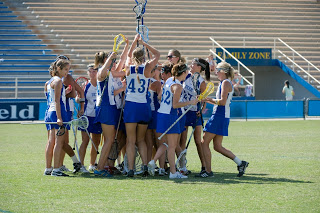
Team Camaraderie Will Keep You In The Game Longer

It's never fun riding the bench -- but could it also make you less likely to be physically active in the future?  That's one of the questions being explored by Mark Eys, an associate professor of kinesiology and physical education at Wilfrid Laurier University and the Canada Research Chair in Group Dynamics and Physical Activity. Eys is presenting his work as part of this week's Canada Research Chairs conference in Toronto.

Eys, who also teaches out of the university's psychology department, is studying group cohesion -- which, in sporting terms, is essentially that sense of camaraderie that often develops between teammates -- and how it affects the willingness of teenagers to take part in physical activity long-term.  It's an important connection to study, he says, since it's much more common for people to work out in groups than on their own.

"People playing sports, for instance, are usually part of a group. If they're playing golf, they're in a group. They're often going for runs in a group," says Eys. "If we understand how those groups work, and take advantage of those situations, we can facilitate physical activity."

For the past two years, Eys and his team of graduate students have been observing teens aged 13-17 in the Sudbury area, tracking them as they take part in high school sports, rec leagues, and non-structured group activities like running and jogging.

Once a year, says Eys, they fill out questionnaires that measure how they feel about the level of cohesion in their groups. The teens taking part in highly-structured sports, particularly at the high school level, are asked specifically about their teams' focus -- how it strikes a balance between self-improvement and winning.

While they're still analyzing the first two years of data, Eys points out that, so far, they've found "a really strong relationship between that motivational climate and perceptions of cohesion."
That relationship seems to echo the findings of researchers who've posed the same questions to adults, says Eys.
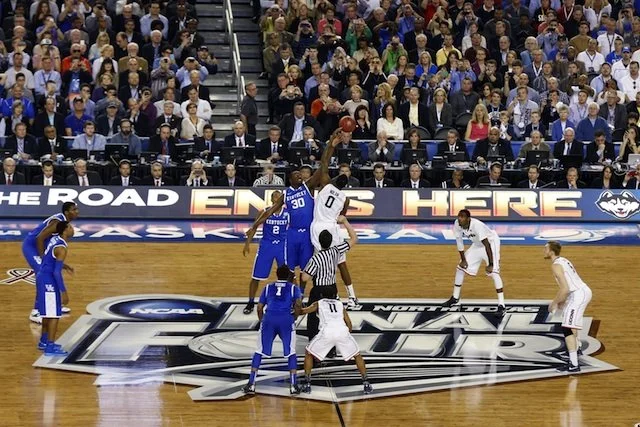
"If you look at the research on adults, the link between group perceptions and cohesion is pretty clear," he says. "If people are in groups that they enjoy, they're more likely to stick to their exercise regimens."

For Eys, his research isn't purely academic -- it's also personal. A decade ago, Eys played basketball at the University of Waterloo, and in his fourth year made it to nationals. While the team didn't win, they managed to strike a near-perfect balance, he says, between competitiveness and camaraderie.

"We still, to this day -- and this is ten years after the fact -- get together as a group. It was obviously a very cohesive bunch. I don't think we were necessarily the most talented group in the league, but some of these group processes can overcome that."

Eys also has two daughters, aged six and four, who are "taking their first steps into organized activities." Researching what it is that makes a good group activity, he says, will translate into an increased likelihood that physically active kids become physically active adults.

The goal of his research is to "have something to be able to take to coaches, to be able to take to organizations" that would outline all those factors that go into a cohesive group environment. Making kids play better, may help them play longer.

Source: Canadian Federation for the Humanities and Social Sciences

See also: Soccer Goal Celebrations Are Contagious and Athletes In The Zone Feel The Flow

Exercise - The Cure For The Common Cold

People who are physically fit and active have fewer and milder colds, indicates research published online in the British Journal of Sports Medicine.  The US researchers base their findings on 1,000 adults up to the age of 85 whose respiratory health was tracked for 12 weeks during the autumn and winter of 2008. 

Six out of 10 participants were women, and four out of 10 were aged between 18 and 39; 40% were middle aged, and one in four were aged 60 and older.

All the participants reported back on how frequently they took aerobic exercise and rated their fitness levels using a validated 10 point scoring system. They were also asked about lifestyle, diet and recent stressful events, as these can all affect immune system response.  The number of days with cold symptoms varied considerably between winter and autumn, with an average of 13 days in the winter and 8 days in the autumn.

Being older, male, and married, seemed to reduce the frequency of colds, but after taking account of other influential factors, the most significant factors were perceived fitness and the amount of exercise taken.

The number of days with symptoms among those who said they were physically active on five or more days of the week and felt fit was almost half (43% to 46% less) that of those who exercised on only one or fewer days of the week.  The severity of symptoms fell by 41% among those who felt the fittest and by 31% among those who were the most active.

In the US, an average adult can expect to have a cold two to four times a year, while children can catch between half a dozen and 10 colds a year, on average, all of which costs the US economy around $40 billion dollars.

Bouts of exercise spark a temporary rise in immune system cells circulating around the body, say the authors. Although these levels fall back within a few hours, each bout is likely to enhance surveillance of harmful viruses and bacteria, so reducing the number and severity of infections, such as the common cold.

Source: BMJ-British Medical Journal and Upper respiratory tract infection is reduced in physically fit and active adults. British Journal of Sports Medicine, 2010; DOI: 10.1136/bjsm.2010.077875

See also: Training In The Heat Even Helps Competing In Cool Temps and Is Exercise The Cure For Depression?

New Return-To-Play Guidelines For Sports Concussions

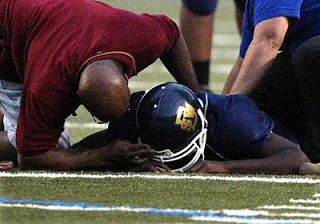
The American Academy of Neurology (AAN) is calling for any athlete who is suspected of having a concussion to be removed from play until the athlete is evaluated by a physician with training in the evaluation and management of sports concussion.

The request is one of five recommendations from a new position statement approved by the AAN's Board of Directors that targets policymakers with authority over determining the policy procedures for when an athlete suffers from concussion while participating in a sporting activity.

According to the Centers for Disease Control, sports-related concussions occur in the United States three million times per year, and among people ages 15 to 24 are now second only to motor vehicle accidents as a leading cause of traumatic brain injury.


"While the majority of concussions are self-limited injuries, catastrophic results can occur and we do not yet know the long-term effects of multiple concussions," said Jeffrey Kutcher, MD, MPH, chair of the AAN's Sports Neurology Section, which drafted the position statement. "We owe it to athletes to advocate for policy measures that promote high quality, safe care for those participating in contact sports."

According to the new statement, no athlete should be allowed to participate in sports if he or she is still experiencing symptoms from a concussion, and a neurologist or physician with proper training should be consulted prior to clearing the athlete for return to participation.

In addition, the AAN recommends a certified athletic trainer be present at all sporting events, including practices, where athletes are at risk for concussion. Education efforts should also be maximized to improving the understanding of sports concussion by all athletes, parents and coaches. "We need to make sure coaches, trainers, and even parents, are properly educated on this issue, and that the right steps have been taken before an athlete returns to the field," said Kutcher, who is also director of the University of Michigan's Neurosport program.

In 1997, the AAN published a guideline on the management of sports concussion that defines concussion grade levels and provides recommendations. The guideline is currently being updated.

Source: American Academy of Neurology

See also: NFL Concussions Taking Bigger Toll On Players and Youth Sports Concussions Double In Last Ten Years

Soccer Goal Celebrations Are Contagious

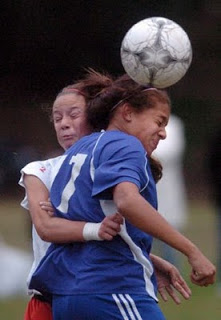
Behaviour is contagious. If you see someone yawn or smile, it's often a matter of seconds before you do the same yourself. This copying behaviour also turns out to work on the soccer pitch. "The more convincingly someone celebrates their success with their teammates, the greater the chances that team will win," according to Dr. Gert-Jan Pepping, Sport Scientist and lecturer in Human Movement Sciences at the University of Groningen.

From an evolutionary point of view, this 'contagious' behaviour is easy to explain.The ability to copy certain behaviours is important to survive in social groups. Pepping: "A good example is the behaviour of a school of fish, such as herring or sardines. Only by synchronizing with each other, that is, doing exactly the same thing as much as possible, do they increase their chances of survival." In addition, copying behaviour has another function: learning from each other. These two functions imply that we communicate individual and group aims via movement. Also emotional movement behaviour, such as cheering, can be understood in this way.

Emotions are often understood and explained in the context of what has just happened. However, emotions can also influence the future, Pepping's research has revealed. His research group investigated whether the way soccer players express their delight at a successful penalty influences the final result of a penalty shootout. Pepping: "What's nice about a penalty shootout is that the individual aim of scoring a penalty directly serves the group aim of winning the match."


Positive attitude
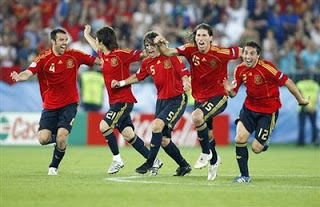
Pepping and his research group (Moll, Jordet, & Pepping, 2010) studied a large number of penalty shootouts during important soccer matches, but only as long as the score in the shootout was still equal. After every shot at goal, the player was assessed on the degree to which he expressed happiness and pride after scoring. This revealed that the players who expressed this clearly, for example by throwing their arms up into the air, usually belonged to the winning team. "This enthusiastic behaviour infected the team with a positive attitude. Also important, the opposing team was made to feel that little bit more insecure." In the study this latter effect was shown by the finding that when someone cheered with both arms in the air, it was more than twice as likely that the next opponent would miss his penalty.

What's very important is that the scored goal is celebrated with the people you want to infect. Pepping: "If you cheer facing the supporters after you've scored a penalty, the supporters will get wildly enthusiastic. That's all very fine, but they're not the ones who have to perform at that moment. Your team members on the pitch are. It's very important to celebrate together -- that's what makes scoring contagious."

Motivating each other
The same principle is easy to project onto situations outside the sports field, according to Pepping. Even in an office situation you can motivate each other by dwelling on a good group performance and celebrating it with each other. That means that the whole team will share the feelings of pride and confidence, which raises performance levels. However, you should be careful not to exaggerate by taking the expressions of happiness or pride out of context, according to Pepping.

In some countries people tend to react to success in a less heated way than in in others. "In the Netherlands many people seem to have forgotten how to react exuberantly." According to Pepping, if you want to increase your chances of success, both on the sports field and in daily life, it's important to 'take the brakes off'. It's natural to cheer in reaction to a victory. What's more, as revealed by the research, when individual and group interests coincide it's also a very functional reaction. More cheering means more success.

Source: University of Groningen and Tjerk Moll, Geir Jordet, Gert-Jan Pepping. Emotional contagion in soccer penalty shootouts: Celebration of individual success is associated with ultimate team success. Journal of Sports Sciences, 2010; : 1 DOI: 10.1080/02640414.2010.484068

See also: Kicking Style Of Women Soccer Players May Cause Injury and Goalkeepers Use Clues To Guess Direction Of Penalty Kick

Training In The Heat Even Helps Competing In Cool Temps

(Credit: Image courtesy of University of Oregon)
Turning up the heat might be the best thing for athletes competing in cool weather, according to a new study by human physiology researchers at the University of Oregon.  Published in the October issue of the Journal of Applied Physiology, the paper examined the impact of heat acclimation to improve athletic performance in hot and cool environments.

Researchers conducted exercise tests on 12 highly trained cyclists -- 10 males and two females -- before and after a 10-day heat acclimation program. Participants underwent physiological and performance tests under both hot and cool conditions. A separate control group of eight highly trained cyclists underwent testing and followed the same exercise regime in a cool environment.

The data concluded that heat acclimation exposure provided considerable ergogenic benefits in cool conditions, in addition to the expected performance benefits in the hot environment. The study is the first to evaluate impacts of heat acclimation on aerobic performance in cool conditions.

"Our findings could have significant impacts in the competitive sports world," said Santiago Lorenzo, a researcher who performed the work as part of his dissertation at the University of Oregon. He is now completing post-doctoral training in the Institute for Exercise and Environmental Medicine (University of Texas Southwestern Medical Center) at Texas Health Presbyterian Hospital Dallas.

The study found performance increases of approximately 7 percent after 10 heat acclimation exposures. "In terms of competitive cycling, 7 percent is a really big increase and could mean that cyclists could use this approach to improve their performance in cooler weather conditions," said Lorenzo. However, the heat exposures must be in addition to the athletes' normal training regimen.
Heat acclimation improves the body's ability to control body temperature, improves sweating and increases blood flow through the skin, and expands blood volume allowing the heart to pump to more blood to muscles, organs and the skin as needed.
Another approach using the environment to improve exercise performance is a "live high/train low" regimen, which means residing at a high altitude and training at a low altitude. Many athletes worldwide now use this approach. According to Lorenzo, "heat acclimation is more practical, easier to apply and may yield more robust physiological adaptations."

(Photo credit: SlowTwitch.com)
The study was conducted in the Evonuk Environmental Physiology Core lab at the UO department of human physiology. The climatic chamber was set at 38 degrees Celsius (100 degrees Fahrenheit) for heat testing and 13 degrees Celsius (55 degrees Fahrenheit) for cool conditions with consistent humidity (30 percent relative humidity) for the cyclists' exercise tests.

According to Christopher Minson, co-director of the Evonuk lab, head of the UO human physiology department and study co-author, researchers also concluded that the heat may produce changes in the exercising muscle, including enzymatic changes that could improve the amount of work done by the muscle, but he says future research will have to examine it further.

"A next step is to determine whether heat acclimation improves performance in a competitive or real-world setting," said Minson.

He also notes possible implications for people with cardiac or other limitations such as paralysis that don't allow for the full cardiovascular benefits of exercise. If heat can be added, "it's conceivable that they would gain further cardiovascular benefits than exercise alone in a cool environment. These are exciting questions that deserve further study," said Minson.

Source: University of Oregon and S. Lorenzo, C. T. Minson. Heat Acclimation Improves Cutaneous Vascular Function and Sweating in Trained Cyclists. Journal of Applied Physiology, 2010; DOI: 10.1152/japplphysiol.00725.2010

See also: Too Much Altitude Training Can Hurt Athletic Performance and High Intensity Workout Gets The Job Done

NFL Concussions Taking Bigger Toll On Players

NFL players with concussions now stay away from the game significantly longer than they did in the late 1990s and early 2000s, according to research in Sports Health (owned by American Orthopaedic Society for Sports Medicine and published by SAGE). The mean days lost with concussion increased from 1.92 days during 1996-2001 to 4.73 days during 2002-2007.

In an effort to discover whether concussion injury occurrence and treatment had changed, researchers compared those two consecutive six-year periods to determine the circumstances of the injury, the patterns of symptoms, and a player's time lost from NFL participation. Those time periods were chosen because concussion statistics were recorded by NFL teams using the same standardized form. It recorded player position, type of play, concussion signs and symptoms, loss of consciousness and medical action taken.

Researchers found that in 2002-2007 there were fewer documented concussions per NFL game overall, especially among quarterbacks and wide receivers. But there was a significant increase in concussions among tight ends. Symptoms most frequently reported included headaches, dizziness, and problems with information processing and recall.

Significantly fewer concussed players returned to the same game in 2002-2007 than in 1996-2001 and 8% fewer players returned to play in less than a week. That number jumped to 25% for those players who lost consciousness as a result of the injury.

"There are a number of possible explanations for the decrease in percentages of players returning to play immediately and returning to play on the day of the injury as well as the increased days out after (a concussion) during the recent six year period compared to the first six year period," write authors Ira R. Casson, M.D.; David C. Viano, Dr. med.; Ph.D., John W. Powell, Ph.D.; and Elliot J. Pellman, M.D. "These include the possibility of increased concussion severity, increased player willingness to report symptoms to medical staff, adoption of a more cautious conservative approach to concussion management by team medical personnel and a possible effect of changes in neuropsychological (NP) testing."

Source:  SAGE Publications and I. R. Casson, D. C. Viano, J. W. Powell, E. J. Pellman. Twelve Years of National Football League Concussion Data. Sports Health: A Multidisciplinary Approach, 2010; DOI: 10.1177/1941738110383963

See also: Football Players May Still Injure Brain Even Without A Concussion and Youth Sports Concussions Double In Last Ten Years

Breaking Curveballs And Rising Fastballs Are Optical Illusions

(Credit: iStockphoto/Barry Howell)
Curveballs curve and fastballs go really fast, but new research suggests that no pitcher can make a curveball "break" or a fastball "rise."  Led by Arthur Shapiro of American University and Zhong-Lin Lu of the University of Southern California, the researchers explain the illusion of the curveball's break in a publicly available study in the journal PLoS ONE.

The study comes a year after the same group won the prize for best illusion at the Vision Sciences annual meeting with a demonstration of how an object falling in a straight line can seem to change direction.  That demonstration led to debates among baseball fans over the existence of the break in curveballs, breaking balls and sliders.

There is no debate in the researchers' minds.

"The curveball does curve, but the curve has been measured and shown to be gradual," Shapiro said. "It's always going to follow a parabolic path. But from a hitter's point of view, an approaching ball can appear to break, drop or do a whole range of unusual behaviors."

A little terminology: to many batters and pitchers, a break is a deviation from the relatively straight path of a fastball. In that sense, all curveballs break.  The authors of the study use the term to describe an apparent sudden drop or other change in trajectory as the ball nears home plate. That, they say, is an illusion.

The PLoS ONE study explains the illusion and relates the perceived size of the break to the shifting of the batter's eye between central and peripheral vision.

"If the batter takes his eye off the ball by 10 degrees, the size of the break is about one foot," Lu said.
He explained that batters tend to switch from central to peripheral vision when the ball is about 20 feet away, or two-thirds of the way to home plate. The eye's peripheral vision lacks the ability to separate the motions of the spinning ball, Lu said. In particular, it gets confused by the combination of the ball's velocity and spin.

The result is a gap between the ball's trajectory and the path as perceived by the batter. The gap is small when the batter switches to peripheral vision, but gets larger as the ball travels the last 20 feet to home plate.

As the ball arrives at the plate, the batter switches back to central vision and sees it in a different spot than expected. That perception of an abrupt change is the "break" in the curveball that frustrates batters.

"Depending on how much and when the batter's eyes shift while tracking the ball, you can actually get a sizable break," Lu said. "The difference between central and peripheral vision is key to understanding the break of the curveball."

A similar illusion explains the "rising fastball," Lu added.  The obvious remedy for a batter, repeated by parents and coaches everywhere, is to "keep your eye on the ball."  That is easier said than done, according to the authors. As the ball nears home plate, its size in the batter's field of view spills out of the eye's central vision.

"Our central vision is very small," Shapiro said. "It's the size of the tip of your thumb at arm's length. When an object falls outside of that region, strange perceptions can occur."

Lu noted that the spin of the ball tends to draw the eye to the side, making it even harder for the batter to keep the ball in central vision.  "People's eyes have a natural tendency to follow motion," Lu explained.  His advice to hitters: "Don't trust your eyes. Know the limitations of your visual system. This is something that can be trained, probably."

Lu, Shapiro and their co-authors plan to build a physical device to test the curveball illusion. Their study was carried out with volunteers tracking the movement of a disk on a computer monitor.
To the authors' knowledge, the PLoS ONE study represents the first attempt to explain the break in the curveball purely as a visual illusion. Others have tried to explain the break as a result of the hitter overestimating the speed of a pitch.

Responding to comments from baseball fans, Lu agreed that on television, pitches filmed from behind home plate appear to break. He called it a "geometric illusion" based on the fact that for the first part of a pitch, the viewer sees little or no vertical drop.

The ball is falling at the same rate throughout the pitch, Lu said, but because the pitcher tosses the ball at a slight upward angle, the first part of the pitch appears more or less flat.  As a result, the drop of the ball near home plate surprises the eye.  For Shapiro and Lu, who have studied visual perception for many years, the PLoS ONE results go beyond baseball.

"Humans constantly shift objects between central and peripheral vision and may encounter effects like the curveball's break regularly," the authors wrote. "Peripheral vision's inability to separate different visual signals may have f ar-reaching implications in understanding human visual perception and functional vision in daily life."

Source: University of Southern California and Arthur Shapiro, Zhong-Lin Lu, Chang-Bing Huang, Emily Knight, Robert Ennis. Transitions between Central and Peripheral Vision Create Spatial/Temporal Distortions: A Hypothesis Concerning the Perceived Break of the Curveball. PLoS ONE, 2010; DOI: 10.1371/journal.pone.0013296

See also: Morning Type Pitchers Do Better In Day Games and Virtual Reality Lab Proves How Fly Balls Are Caught