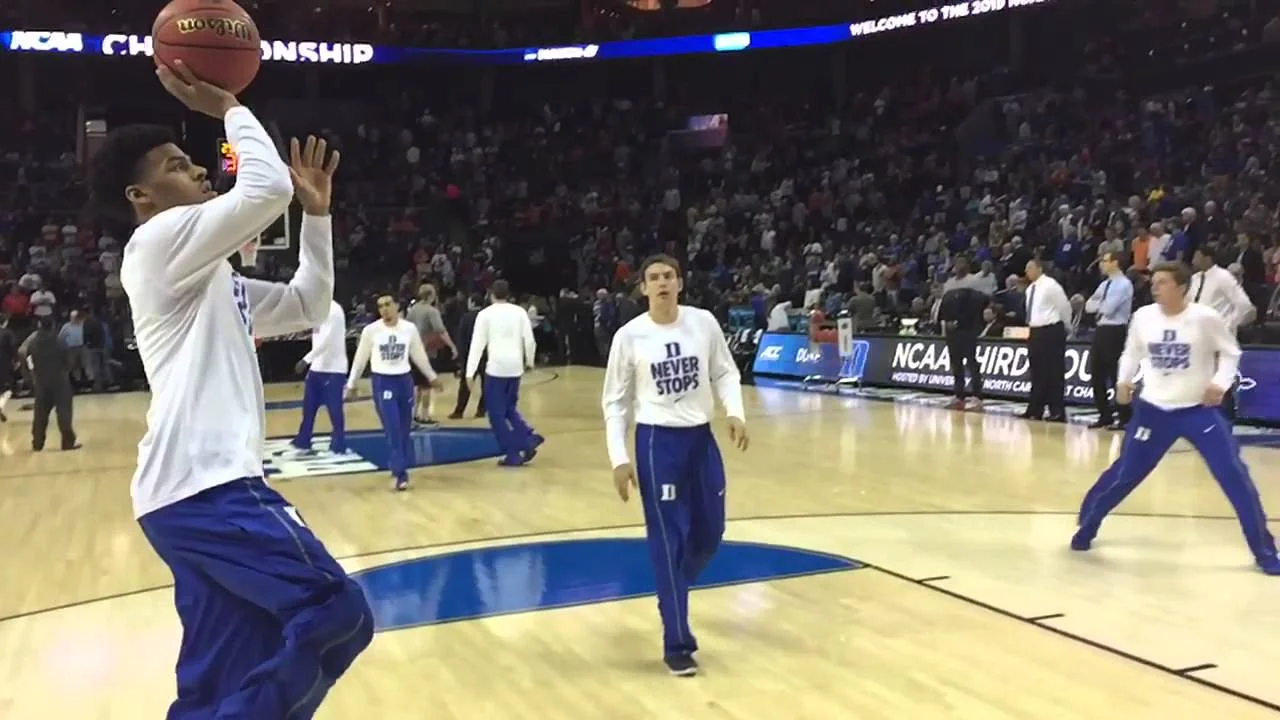

Football Players May Still Injure Brain Even Without A Concussion

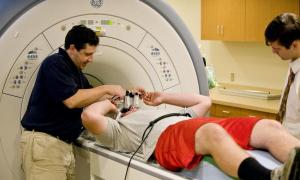
Thomas Talavage, co-director of the Purdue MRI Facility,
prepares to test a Jefferson High School football player.
(Credit: Purdue University photo/Andrew Hancock)
A study by researchers at Purdue University suggests that some high school football players suffer undiagnosed changes in brain function and continue playing even though they are impaired.
"Our key finding is a previously undiscovered category of cognitive impairment," said Thomas Talavage, an expert in functional neuroimaging who is an associate professor of biomedical engineering and electrical and computer engineering and co-director of the Purdue MRI Facility.

The findings represent a dilemma because they suggest athletes may suffer a form of injury that is difficult to diagnose.

"The problem is that the usual clinical signs of a head injury are not present," said Larry Leverenz, an expert in athletic training and a clinical professor of health and kinesiology. "There is no sign or symptom that would indicate a need to pull these players out of a practice or game, so they just keep getting hit."

Findings are detailed in a research paper appearing online this week in the Journal of Neurotrauma.
The team of researchers screened and monitored 21 players at Jefferson High School in Lafayette, Ind.
"The athletes wore helmets equipped with six sensors called accelerometers, which relay data wirelessly to equipment on the sidelines during each play," said Eric Nauman, an associate professor of mechanical engineering and an expert in central nervous system and musculoskeletal trauma.

Impact data from each player were compared with brain-imaging scans and cognitive tests performed before, during and after the season. The researchers also shot video of each play to record and study how the athletes sustained impacts.

Whereas previous research studying football-related head trauma has focused on players diagnosed with concussions, the Purdue researchers tested all of the players. They were surprised to find cognitive impairment in players who hadn't been diagnosed with concussions.

The research team identified 11 players who either were diagnosed by a physician as having a concussion, received an unusually high number of impacts to the head or received an unusually hard impact. Of those 11 players, three were diagnosed with concussions during the course of the season, four showed no changes and four showed changes in brain function.

"So half of the players who appeared to be uninjured still showed changes in brain function," Leverenz said. "These four players showed significant brain deficits. Technically, we aren't calling the impairment concussions because that term implies very specific clinical symptoms, such as losing consciousness or having trouble walking and speaking. At the same time, our data clearly indicate significant impairment."

The findings support anecdotal evidence that football players not diagnosed with concussions often seem to suffer cognitive impairment.

Researchers evaluated players using a GE Healthcare Signa HDx 3.0T MRI to conduct a type of brain imaging called functional magnetic resonance imaging, or fMRI, along with a computer-based neurocognitive screening test.

"We're proud of our association with Purdue and feel longitudinal studies will provide a valuable platform to better study brain injuries," said Jonathan A. Murray, general manager of cross business programs for GE Healthcare.

The research could aid efforts to develop more sensitive and accurate methods for detecting cognitive impairment and concussions; more accurately characterize and model cognitive deficits that result from head impacts; determine the cellular basis for cognitive deficits after a single impact or repeated impacts; and develop new interventions to reduce the risk and effects of head impacts.

"By integrating the fMRI with head-based accelerometers and computer-based cognitive assessment, we are able to detect subtle levels of neurofunctional and neurophysiological change," Nauman said. "These data provide an opportunity to accurately track both the initial changes as well as the recovery in cognitive performance."
(Credit: iStockphoto/Bill Grove
The ongoing research may help to determine how many blows it takes to cause impairment, which could lead to safety guidelines on limiting the number of hits a player receives per week.  "We're not yet sure exactly how many hits this is, but it's probably around 50 or 60 per week, which is not uncommon," Nauman said. "We've had kids who took 1,600 impacts during a season."

The research paper was written by Nauman, Leverenz, Talavage, Katie Morigaki, a graduate student in the Department of Health and Kinesiology, biomedical engineering graduate student Evan Breedlove, mechanical engineering graduate student Anne Dye, electrical and computer engineering graduate student Umit Yoruk, and Henry Feuer, a physician and neurosurgeon in the Department of Neurosurgery at the Indiana University School of Medicine.

Feuer is a neurosurgical consultant to the National Football League's Indianapolis Colts and a member of NFL subcommittees assessing the effects of mild traumatic brain injury.

The researchers studied the football players last season and are continuing the work this season.
The helmet-sensor data demonstrated that undiagnosed players who didn't show impairment received blows in many areas of the head, but the undiagnosed players who showed impairment received a large number of blows primarily to the top and front. This part of the brain is involved in "working memory," including visual working memory, a form of short-term memory for recalling shapes and visual arrangement of objects such as the placement of furniture in a room, Nauman said.
"These are kids who put their head down and take blow after blow to the top of the head," said Nauman, who also is an associate professor of biomedical engineering and basic medical sciences and leads Purdue's Human Injury Research and Regenerative Technologies Laboratory. "We've seen this primarily in linebackers and linemen, who tend to take most of the hits."

Helmet sensor data indicate impact forces to the head range from 20 to more than 100 Gs.
"To give you some perspective, a roller coaster subjects you to about 5 Gs and soccer players may experience up to 20 G accelerations from heading the ball," Nauman said.
Head impacts cause the brain to bounce back and forth inside the skull, damaging neurons or surrounding tissue. The trauma can either break nerve fibers called axons or impair signaling junctions between neurons called synapses.

The findings suggest the undiagnosed players suffer a different kind of brain injury than players who are diagnosed with a concussion.

"To be taken out of a game you have to show symptoms of neurological deficits -- unsteady balance, blurred vision, ringing in the ears, headaches and slurred speech," Leverenz said. "Unlike the diagnosed concussions, however, these injuries don't affect how you talk, whether you can walk a straight line or whether you know what day it is."

The fMRI reveals information about brain metabolism and blood flow, showing which parts of the brain are most active during specific tasks, Talavage said.

"One of the most challenging aspects of treating concussions is diagnosing the part of the brain that has been damaged," he said.

The fMRI data from before, during and after the season were compared to see whether there was any difference in brain activity that indicated impairment. The players also were studied using a standard cognitive test to show how well they were able to remember specific letters, words and patterns of lines.

The work may enable researchers to learn whether high school players accumulate damage over several seasons or whether they recover fully from season to season. The researchers have found that players diagnosed with concussions or who showed marked cognitive impairment had not yet recovered by the end of the season.

New preliminary data, however, suggests the players might recover before the start of the next season, but additional research is needed to determine the extent of recovery, Talavage said.
The work brings together faculty members from Purdue's College of Engineering and the new College of Health and Human Sciences along with research partners at GE Healthcare. The multidisciplinary team includes researchers specializing in neuroimaging, brain health, biomechanics, clinical sports medicine and analytical modeling.

The research group, called the Purdue Acute Neural Injury Consortium, also is studying ways to reduce traumatic brain injury in soldiers who suffer concussions caused by shock waves from explosions.  "There are numerous parallels between head injuries experienced by soldiers and football players," Nauman said.

Other researchers in the consortium are Dennis A. Miller, a sports medicine expert; Charles A. Bouman, the Michael J. and Katherine R. Birck Professor of Electrical and Computer engineering and co-director of the Purdue MRI Facility; and Alexander L. Francis, an expert in learning and cognitive processing and an associate professor of speech, language and hearing sciences.

The work has been funded by the Indiana Department of Health and GE Healthcare. The researchers would like to extend their study to more high schools and are seeking additional funding for the work.
Researchers are working to create a helmet that reduces the cumulative effect of impacts, said John C. Hertig, executive director of the Alfred Mann Institute for Biomedical Development at Purdue.

"We're funding the development of a novel injury mitigation system created by researchers at Purdue for use in sports or military helmets," Hertig said. "This technology is targeted at mitigating the collective impacts absorbed by the brain in such a way as to dissipate the harmful energy that occurs during repeated impacts. Football linemen, soccer and hockey players, and others will benefit from the re-engineering of a sports helmet design created by Eric Nauman and his team."

Source:  Purdue University and Thomas M. Talavage, Eric Nauman, Evan L. Breedlove, Umit Yoruk, Anne E Dye, Katie Morigaki, Henry Feuer, Larry J. Leverenz. Functionally-Detected Cognitive Impairment in High School Football Players Without Clinically-Diagnosed Concussion. Journal of Neurotrauma, 2010; : 101001044014052 DOI: 10.1089/neu.2010.1512

See also: Hockey Hits Are Hurting More and Lifting The Fog Of Sports Concussions

Youth Sports Concussions Double In Last Ten Years

A new study from Hasbro Children's Hospital finds visits to emergency departments for concussions that occurred during organized team sports have increased dramatically over a 10-year period, and appear to be highest in ice hockey and football. The number of sports-related concussions is highest in high school-aged athletes, but the number in younger athletes is significant and rising. The study is published in the September 2010 issue of Pediatrics and is now available online ahead of print.

In a review of national databases of emergency department (ED) visits, there were 502,000 visits to EDs for concussions in children aged 8 to 19 years in the period from 2001 through 2005; of those 65 percent were in the 14- to 19-year old age group while 35 percent were in the 8- to 13-year-old age group. Approximately half of all the ED visits for concussions were sports-related, and an estimated 95,000 of those visits were for concussions that occurred from one of the top five organized team sports: football, basketball, baseball, soccer and ice hockey.

The researchers also note that in the period from 2001 through 2005, approximately four in 1,000 children aged 8 to 13 and six in 1,000 aged 14 to 19 had an ED visit for a sport-related concussion.
Lisa Bakhos, MD, is a recently graduated fellow who was practicing at Hasbro Children's Hospital at the time she led the study. Bakhos says, "Our data show that older children have an overall greater estimated number of ED visits for sport-related concussion compared to younger children. Younger children, however, represent a considerable portion of sport-related concussions, approximately 40 percent."

The researchers found that ED visits for organized team sport-related concussions doubled over the time period depicted and increased by over 200 percent in the 14- to 19-year old age group, while overall participation decreased by 13 percent in the same time period. Bakhos comments, "What was striking in our study is that the number of sport-related concussions has increased significantly over a 10-year period despite an overall decline in participation. Experts have hypothesized that this may be due to an increasing number of available sports activities, increasing competitiveness in youth sports, and increasing intensity of practice and play times. However, the increasing numbers may also be secondary to increased awareness and reporting."

James Linakis, MD, PhD, is a pediatric emergency medicine physician with Hasbro Children's Hospital and its Injury Prevention Center and is the senior author on the paper. He comments, "Our assessment highlights the need for further research and injury prevention strategies into sport-related concussion. This is especially true for the young athlete, with prevailing expert opinion suggesting that concussion in this age group can produce more severe neurologic after-effects, such as prolonged cognitive disturbances, disturbed skill acquisition, and other long-term effects."

Despite the apparent increase in concussions in youth athletes, there are no comprehensive return-to-play guidelines for young athletes. The researchers also note that there are no evidence-based management guidelines for the treatment of these injuries, while there is agreement that young children cannot be managed in the same way as older adolescents.

Linakis, who is also a physician with University Emergency Medicine Foundation and an associate professor at The Warren Alpert Medical School of Brown University, says, "Children need not only physical, but cognitive rest, and a slow-graded return to play and school after such injuries. As a result of this study, it is clear that we need more conservative guidelines for the management of younger children who suffer concussions." Return-to-play assessments might include such strategies as neuropsychological testing, functional MRI, visual tracking technology and balance dysfunction tracking.

Bakhos concludes, "What this research tells us is that we need additional studies to provide guidance in management, prevention strategies and education for practitioners, coaches and athletes."


Source: Lifespan and Bakhos, Linakis, Lockhart, Myers, Linakis. Emergency Department Visits for Concussion in Young Child Athletes. Pediatrics, 8/30/2010 DOI: 10.1542/peds.2009-3101

See also: Body Checking Not The Main Cause Of Youth Hockey Injuries and Science Fair Project Leads To New Sports Concussion Test

TV Ratings A Better Predictor Of NFL Consumer Demand Than Attendance

For NFL teams, especially small-market franchises seeking to increase their fan base, winning may be everything, but so does team longevity in the market as well as the number of games played in prime time, according to research by a University of Illinois sports economist.

Scott Tainsky, a professor of recreation, sport and tourism at Illinois, says that many of the same factors that influence whether fans attend a game in-person also influence a team's television ratings.

"Sports economists have traditionally relied on attendance figures as a proxy for demand in order to figure out what's motivating fans to go to games," Tainsky said. "Even though the NFL is priced just a little bit below where it could maximize revenue at the gate, it still requires a large income or at least a large outlay of money for the average fan to see a game in-person."

According to Tainsky, whose research was published in the Journal of Sports Economics, since the vast majority of fans watch the games on TV instead of in-person, and with the NFL betting on over half of its revenue being generated through TV contracts, TV ratings might actually function as a better proxy for consumer demand in both the home and road teams' markets.
"We have a long history of studying consumer demand for major league baseball, but there's very little research done on the NFL, even though it's the largest revenue, most popular sport in the U.S.," he said.

Of the three factors that positively influence demand, fielding a winning team is the most difficult variable to account for on a year-to-year basis, especially for small-market teams.

"From the first day of training camp, winning is the goal for every team in the league," Tainsky said. "But that's going to be somewhat cyclical, since the league has a pretty hard salary cap. If the spending on player talent is virtually equivalent for all 32 teams, there's going to be parity, meaning that some teams will have good years while other teams will have bad years."

Since it's easier for the big-market teams such as Dallas and Chicago to weather the year-to-year swings in their win-loss records, small-market teams need to be even more proactive in courting fans when they're muddling through a losing campaign.

One way to do that, Tainsky says, is to promote the experience of going to the game.

"When you're a small-market team and you're having a down year, you have to promote other things besides the quality of the team," Tainsky said. "You have to market the tradition of sports being passed down from generation to generation, this notion of, 'I went to the game with my dad, and he went with his dad,' or the 'On any given Sunday…' mythology that the NFL likes to cultivate. If you can get this to be a habit of consumption on Sundays, that's ideal, because it's easier to take it on the chin when they're not doing so well."

Small-market teams mired in a rebuilding year are also at risk of having their broadcasts blacked out as a result of poor attendance. But Tainsky discovered that ratings for telecasts in those markets -- Atlanta, Buffalo, Jacksonville, Oakland, St. Louis and Tennessee -- were on par with the remaining 26 franchises. He blames market size rather than market demand for the teams' failure to sell out games.

"There are three different ways that Nielsen collects ratings, and one of them is the percentage of TVs in the area that are on, and those aren't appreciably lower in cities that experience blackouts," Tainsky said. "In fact, the per capita demand is often higher in small markets; they just have trouble filling 60- and 70,000- seat stadiums. A place like New York City has a low market share, but the sheer number of people it has in its surrounding metropolitan area allows it to sell out games."

In that respect, it may not be the fault of the smaller market cities that they can't get a larger percentage of a viewing audience, Tainsky says.

"The team might be doing everything it can do to attract fans, but because of the smaller population size, it has to be that much more popular to avert blackouts."

Although there was a slight ratings bump for games played in prime time, Tainsky said that sharing a home market with another team, as the San Francisco 49ers and the Oakland Raiders do in the Bay Area, represented a significant drag on consumer demand. The socioeconomic status of fans was also negatively associated with ratings. Tainsky noted that other research has shown that lower-income fans engage in homebound and sedentary activities, further indicating that TV ratings might be a better measure of consumer demand.

Using TV ratings to analyze demand also allows sports economists to look at the size of viewership in cities that don't have a home game that weekend, or in cities that don't have teams. There's also the "diaspora effect," where fans have been displaced either by the team moving to a different market (the Baltimore Colts moving to Indianapolis, for example) or the fans themselves moving from their home markets (for example, displaced Pittsburghers living in suburban Chicago).

"Population flow from city-to-city does seem to have an effect on ratings for games," Tainsky said. "If more people from western Pennsylvania have moved to the Chicago suburbs, the game featuring the Steelers will be popular but only if the game is being played at Heinz Field in Pittsburgh."

Tainsky said displaced fans won't watch in great numbers if the Steelers are playing on the road at, say, Jacksonville, which may indicate that viewers aren't necessarily tuning in for the game itself, but rather for the feelings of nostalgia that watching a football game on a Sunday evokes.

"It makes them think back to where they're from, and the good times they had watching those games in the past," he said. "So there's more to it than just the game itself."

Source: University of Illinois at Urbana-Champaign and Television Broadcast Demand for National Football League Contests. Journal of Sports Economics, 2010; DOI: 10.1177/1527002509355636

 See also: How To Evacuate 75,000 Fans In A Hurry and NFL Scouting Combine Not A Good Predictor of Draft Pick Success 

Exercise Grows Kids' Brains, Literally

Researchers have found an association between physical fitness and the brain in 9- and 10-year-old children: Those who are more fit tend to have a bigger hippocampus and perform better on a test of memory than their less-fit peers.  The new study, which used magnetic resonance imaging to measure the relative size of specific structures in the brains of 49 child subjects, appears in the journal Brain Research.

"This is the first study I know of that has used MRI measures to look at differences in brain between kids who are fit and kids who aren't fit," said University of Illinois psychology professor and Beckman Institute director Art Kramer, who led the study with doctoral student Laura Chaddock and kinesiology and community health professor Charles Hillman. "Beyond that, it relates those measures of brain structure to cognition."

The study focused on the hippocampus, a structure tucked deep in the brain, because it is known to be important in learning and memory. Previous studies in older adults and in animals have shown that exercise can increase the size of the hippocampus. A bigger hippocampus is associated with better performance on spatial reasoning and other cognitive tasks.

"In animal studies, exercise has been shown to specifically affect the hippocampus, significantly increasing the growth of new neurons and cell survival, enhancing memory and learning, and increasing molecules that are involved in the plasticity of the brain," Chaddock said.

Rather than relying on second-hand reports of children's physical activity level, the researchers measured how efficiently the subjects used oxygen while running on a treadmill.

"This is the gold standard measure of fitness," Chaddock said.

The physically fit children were "much more efficient than the less-fit children at utilizing oxygen," Kramer said.  When they analyzed the MRI data, the researchers found that the physically fit children tended to have bigger hippocampal volume -- about 12 percent bigger relative to total brain size -- than their out-of-shape peers.

The children who were in better physical condition also did better on tests of relational memory -- the ability to remember and integrate various types of information -- than their less-fit peers.

"Higher fit children had higher performance on the relational memory task, higher fit children had larger hippocampal volumes, and in general, children with larger hippocampal volumes had better relational memory," Chaddock said.

Further analyses indicated that a bigger hippocampus boosted performance on the relational memory task.

"If you remove hippocampal volume from the equation," Chaddock said, "the relationship between fitness and memory decreases."

The new findings suggest that interventions to increase childhood physical activity could have an important effect on brain development.  "We knew that experience and environmental factors and socioeconomic status all impact brain development," Kramer said. "If you get some lousy genes from your parents, you can't really fix that, and it's not easy to do something about your economic status. But here's something that we can do something about."

Source: University of Illinois at Urbana-Champaign and A neuroimaging investigation of the association between aerobic fitness, hippocampal volume and memory performance in preadolescent children. Brain Research, 2010; DOI: 10.1016/j.brainres.2010.08.049

See also: Fit Kids Get Better Grades and For Kids' Health, Just Let Them Play

Sports Energy Drinks Actually Help Kids

Consuming energy drinks during team sports could help young people perform better, a study suggests.  Sports scientists found that 12-14 year olds can play for longer in team games when they drink an isotonic sports drink before and during games.  Researchers at the University of Edinburgh measured the performance of 15 adolescents during exercise designed to simulate the physical demands of team games such as football, rugby and hockey.

They showed for the first time that sports drinks helped the young people continue high intensity, stop-start activity for up to 24 per cent longer -- compared with players who drank a non-carbohydrate placebo solution.

The study was conducted because there is increasing evidence of young people consuming commercially available energy drinks during team games and researchers wanted to assess their impact. The findings are published in the European Journal of Applied Physiology.

The findings showed that drinking a 6 per cent carbohydrate-electrolyte solution improved endurance capacity but did not make young people run faster during intermittent exercise in team sports.  The solution -- containing carbohydrate, sodium, potassium, magnesium and calcium -- enhances hydration, helps prevent dehydration and provides a supply of energy to the body, thereby contributing to improved endurance capacity.

The researchers say the findings help to identify the importance of regular hydration and energy intake with a carbohydrate-electrolyte solution during games to replace fluids and provide energy in adolescent games players.

Dr John Sproule, Head of the Institute of Sport, Physical Education and Health Sciences of the University of Edinburgh's Moray House School of Education who led the research, said: "The importance of hydration to improve performance during exercise for adults is well known. This research helps us further understand how adolescents respond to hydration and energy supply during exercise.  The consumption of a carbohydrate-electrolyte solution was found to significantly enhance endurance capacity during simulated games play, and this could contribute to improved performance in adolescents."

Researchers say that this is the first study to explore the effect of a 6 per cent carbohydrate-electrolyte solution, similar to the make-up of an isotonic sports drink, on the performance of young people in team games.

Source: University of Edinburgh

See also: How Should Cheating Be Defined In Sports? and Starbucks' Secret Sports Supplement

Kicking Style Of Women Soccer Players May Cause Injury

Significant differences in knee alignment and muscle activation exist between men and women while kicking a soccer ball, according to a study published this month in the Journal of Bone and Joint.

Data reveal that males activate certain hip and leg muscles more than females during the motion of the instep and side-foot kicks -- the most common soccer kicks -- which may help explain why female players are more than twice as likely as males to sustain an Anterior Cruciate Ligament (ACL) injury.

Soccer is one of the fastest-growing sports in the United States with approximately 20 million registered players and an annual participation increase of more than 20 percent , according to statistics from the National Collegiate Athletic Association (NCAA) . Women also are playing this sport on more competitive levels. Prior research shows that females are more prone to non-contact ACL injuries than males and though many theories exist, a direct cause for the disparity is unknown.

"By analyzing the detailed motion of a soccer kick in progress, our goal was to home in on some of the differences between the sexes and how they may relate to injury risk," said orthopaedic surgeon Robert H. Brophy, MD, study author and assistant professor of orthopedics, Washington University School of Medicine in St. Louis. "This study offers more information to help us better understand the differences between male and female athletes, particularly soccer players."

Dr. Brophy and his colleagues from the Motion Analysis Laboratory and Sports Medicine Service at the Hospital for Special Surgery in New York used 3-D video-based motion analysis and electromyography to examine the differences between 13 male and 12 female college soccer players during the action of kicking a soccer ball.

Using eight to 10 video cameras, 21 retroreflective markers and 16 electrodes simultaneously, researchers measured the activation of seven muscles (iliacus, gluteus maximus, gluteus medius, vastus lateralis, vastus medialis, hamstrings and gastrocnemius) in both the kicking and supporting legs; as well as two additional muscles (hip adductors and tibialis anterior) in the kicking leg only. Five instep and five side-foot kicks were recorded for each player. Muscle activation was recorded as a percentage of maximum voluntary isometric contraction.

They found that male players activate the hip flexors (inside of the hip) in their kicking leg and the hip abductors (outside of the hip) in their supporting leg more than females.

* In the kicking leg, men generated almost four times as much hip flexor activation as females (123 percent in males compared to 34 percent in females).
* In the supporting leg, males generated more than twice as much gluteus medius activation (124 percent in males compared with 55 percent in females) and vastus medialis activation (139 percent in males compared with 69 percent in females).

"Activation of the hip abductors may help protect players against ACL injury," said Dr. Brophy, a former collegiate and professional soccer player and past head team physician for the former St. Louis Athletica professional women's soccer club. "Since females have less activation of the hip abductors, their hips tend to collapse into adduction during the kick, which can increase the load on the knee joint in the supporting leg, and potentially put it at greater risk for injury."

Brophy said that although the study does not establish a direct cause-and-effect relationship between muscle activation and knee alignment and ACL injuries, the finding "moves us toward better understanding of what may contribute to differences in injury risk between the sexes and what steps we might take to offset this increased risk in females."

The current research in the area of ACL injury prevention has shown some promise. For example, in 2008, the Centers for Disease Control and Prevention published a study that found a new training program called the Prevent Injury and Enhance Performance (PEP) program, was effective in reducing ACL injuries in female soccer players. Developed by the Santa Monica Orthopedic and Sports Medicine Research Foundation and supported by the American Academy of Orthopaedic Surgeons (AAOS) among other medical and athletic associations, PEP is an alternative warm-up regimen that focuses on stretching, strengthening and improving balance and movements and can be conducted during regular practice time and without special equipment.

"Programs focusing on strengthening and recruiting muscles around the hip may be an important part of programs designed to reduce a female athletes' risk of ACL injury," said Dr. Brophy. "Coaches and trainers at all levels, from grade school through professional, should consider using strategies that demonstrate potential to prevent these injuries."

He said that additional research is warranted to investigate how the differences in hip muscle activation and alignment between the sexes may relate to differences in the risk of lower extremity injury among athletes in soccer and other sports.

Source:  American Academy of Orthopaedic Surgeons

See also: Goalkeepers Use Clues To Guess Direction Of Penalty Kick and Youth Sports Coaches Should Prioritize Teaching Over Winning

Surfboard Sensor Success Stokes Scientists

UC San Diego mechanical engineering undergraduates
outfitted a surfboard with a computer and
accompanying sensors
Computers are everywhere these days -- even on surfboards. University of California, San Diego mechanical engineering undergraduates outfitted a surfboard with a computer and accompanying sensors -- one step toward a structural engineering Ph.D. student's quest to develop the science of surfboards.

The UC San Diego mechanical engineering undergraduates installed a computer and sensors on a surfboard and recorded the speed of the water flowing beneath the board. While the students surfed, the onboard computer sent water velocity information to a laptop on shore in real time.

This is part of Benjamin Thompson's quest to discover if surfboards have an optimal flexibility -- a board stiffness that makes surfing as enjoyable as possible. Thompson is a UC San Diego structural engineering Ph.D. student studying the fluid-structure interaction between surfboards and waves. By outfitting a surfboard with sensors and electronics that shuttle data back to shore, the mechanical engineering undergraduates built some of the technological foundation for Thompson's science-of-surfboards project.

Four undergraduates from the Department of Mechanical and Aerospace Engineering (MAE) at the UC San Diego Jacobs School of Engineering outfitted a surfboard with eight sensors and an onboard-computer or "microcontroller." The students dug trenches into the board's foam and ran wires connecting the sensors to the onboard computer. From this computer, the data travels via a wireless channel to a laptop on land -- in this case, a beach in Del Mar, Calif.


The onboard computer also saves the data on a memory card.

"We were stoked to get good data and to be surfing for school," said Dan Ferguson, one of the two mechanical engineering undergraduates who surfed while the onboard computer captured water velocity information and transmitted it back to land.

The four mechanical engineering majors built the wired surfboard for their senior design project, the culmination of the MAE 156 course sequence. Each project has a sponsor, and in this case, the sponsor was Benjamin Thompson, the structural engineering Ph.D. student from UC San Diego and founder of the surfboard Web site www.boardformula.com.

The onboard computer is in a watertight case the shape of a medium-sized box of chocolates. It sits at the front of the surfboard and glows blue. "What's on your board? What is that?" fellow surfers asked Ferguson. "We'd have to tell them it's a microprocessor connected to velocity sensors, and they would kind of nod and paddle away. It created a minor stir."

Each of the eight sensors embedded into the bottom of the board is a "bend sensor." The faster the water beneath the board moves, with respect to the board, the more the sensors bend, explained Trevor Owen, the other surfer on the four-person mechanical engineering team.

The data from the sensors runs through wires embedded in the board to the microcontroller. "You can see where we carved channels in the board," said Owen.

The most interesting part of the project for senior mechanical engineering major Victor Correa was using the microcontrollers and wireless transmitters to get the data to land.

Thompson, the project sponsor, is already working on a smaller version of the onboard computer. He hopes to shrink it down to the size of a cell phone and embed it flush with the top surface of the board.

Assembling, waterproofing and installing the microcontroller, connecting it to the sensors, and successfully transmitting the collected data to a computer on land required persistence and a lot of learning, explained senior mechanical engineering major Julia Tsai. "Everything hypothetically should take five minutes, but everything took at least three hours."

Even though the team has finished their class project, Ferguson plans to keep working with Thompson. "This project is going to apply some science that most likely [board] shapers understand pretty well...it's going to settle the debates. It's going to be black and white hard data to let them know for sure which ideas work, which concepts work, and why they work."

Surfboard Flex Surfboard flex refers to the temporary shape changes that surfboards are thought to undergo. While many surfers say flex makes their boards feel springy in the water, it has not been scientifically measured. Thompson hopes to scientifically document surfboard flex. Then he wants to determine if there is an amount of flexibility that enhances the performance and feel of a surfboard, and if this optimal flexibility depends on other factors such as surfer experience or wave conditions.

The surfboard project falls within a hot area of engineering research: the study of fluid-structure interactions. According to UC San Diego structural engineering professor Qiang Zhu, the study of fluid-structure interaction is important due to the large number of applications in mechanical, civil, aerospace and biological engineering. "In my opinion, its popularity in recent years is partly attributed to advances in experimental and computational techniques which allow many important processes to be studied in detail," said Zhu.

Source: University of California, San Diego

See also: Better Golf Ball Design Helps You Play Better Golf and For Rock Climbers, Endurance Is Key To Performance

Knee-Friendly Landings Reduce Force By 56 Percent

Anterior cruciate ligament injuries are a common and debilitating problem, especially for female athletes. A new study from UC Davis shows that changes in training can reduce shear forces on knee joints and could help cut the risk of developing ACL tears.

"We focused on an easy intervention, and we were amazed that we could reduce shear load in 100 percent of the volunteers," said David Hawkins, professor of neurobiology, physiology and behavior at UC Davis. Hawkins conducted the study at the UC Davis Human Performance Laboratory with graduate student Casey Myers.

The anterior cruciate ligament lies in the middle of the knee and provides stability to the joint. Most ACL injuries do not involve a collision between players or a noticeably bad landing, said Sandy Simpson, UC Davis women's basketball coach.

"It almost always happens coming down from a rebound, catching a pass or on a jump-stop lay-up," Simpson said. "It doesn't have to be a big jump."

Hawkins and Myers worked with 14 female basketball players from UC Davis and local high schools. They fitted them with instruments and used digital cameras to measure their movements and muscle activity, and calculated the forces acting on their knee joints as they practiced a jump-stop movement, similar to a basketball drill.

First, they recorded the athletes making their normal movement. Then they instructed them in a modified technique: Jumping higher to land more steeply; landing on their toes; and bending their knees more deeply before taking off again.

After learning the new technique, all 14 volunteers were able to reduce the force passed up to the knee joint through the leg bone (the tibial shear force) by an average of 56 percent. At the same time, the athletes in the study actually jumped an inch higher than before, without losing speed.

Hawkins recommends warm-ups that exercise the knee and focusing on landing on the toes and balls of the feet. The study does not definitively prove that these techniques will reduce ACL injuries, Hawkins said: that would require a full clinical trial and follow-up. But the anecdotal evidence suggests that high tibial shear forces are associated with blown knees.

Hawkins and Myers shared their findings with Simpson and other UC Davis women's basketball and soccer coaches, as well as with local youth soccer coaches.  The research was published online Aug. 3 in the Journal of Biomechanics.

Simpson said that the team had tried implementing some changes during last year's preseason, but had found it difficult to continue the focus once the full regular season began. In live play, athletes quickly slip back to learned habits and "muscle memory" takes over, he noted. More intensive off-court training and practice would be needed to change those habits, he said.

"We will be talking about this again this season," Simpson said. Implementing the techniques in youth leagues, while children are still learning how to move, might have the most impact, he said.

Source: University of California - Davis - Health System

See also: Barefoot Is Better and For Rock Climbers, Endurance Is Key To Performance

Sports Superstitions Just Might Work

Don't scoff at those lucky rabbit feet. New research shows that having some kind of lucky token can actually improve your performance -- by increasing your self-confidence.

"I watch a lot of sports, and I read about sports, and I noticed that very often athletes -- also famous athletes -- hold superstitions," says Lysann Damisch of the University of Cologne. Michael Jordan wore his college team shorts underneath his NBA uniform for good luck; Tiger Woods wears a red shirt on tournament Sundays, usually the last and most important day of a tournament. "And I was wondering, why are they doing so?"

Damisch thought that a belief in superstition might help people do better by improving their confidence. With her colleagues Barbara Stoberock and Thomas Mussweiler, also of the University of Cologne, she designed a set of experiments to see if activating people's superstitious beliefs would improve their performance on a task.


In one of the experiments, volunteers were told to bring a lucky charm with them. Then the researchers took it away to take a picture. People brought in all kinds of items, from old stuffed animals to wedding rings to lucky stones. Half of the volunteers were given their charm back before the test started; the other half were told there was a problem with the camera equipment and they would get it back later.

Volunteers who had their lucky charm did better at a memory game on the computer, and other tests showed that this difference was because they felt more confident. They also set higher goals for themselves. Just wishing someone good luck -- with "I press the thumbs for you," the German version of crossing your fingers -- improved volunteers' success at a task that required manual dexterity.

The research is published in Psychological Science, a journal of the Association for Psychological Science.

Of course, even Michael Jordan lost basketball games sometimes. "It doesn't mean you win, because of course winning and losing is something else," says Damisch. "Maybe the other person is stronger."

Source: Association for Psychological Science

See also: Athletes In The Zone Feel The Flow and Military Mindfulness Training May Also Help Athletes Handle Stress

Body Checking Not The Main Cause Of Youth Hockey Injuries

Hockey fans likely would assume that body-checking -- intentionally slamming an opponent against the boards -- causes the most injuries in youth ice hockey. But they would be wrong.  Findings from a new study, the largest and most comprehensive analysis to date of young hockey players, show that 66 percent of overall injuries were caused by accidentally hitting the boards or goal posts, colliding with teammates or being hit by a puck.

Only 34 percent of the injuries were caused by checking. Moreover, the accidental injuries were more severe than those from body checks.

These results, which appeared in June issue of the British Journal of Sports Medicine, were a surprise to many, including the researchers at the University at Buffalo who conducted the five-year study.

"There is an image of body checking as a form of violence that is condoned by the game of hockey," says Barry Willer, PhD, UB professor of psychiatry and rehabilitation sciences and senior author on the study.  "However, this study found that body checking did not account for a large proportion of injuries. Perhaps as important, body checking did not lead to a rise in intentional injuries."


The youth ice hockey program in Burlington, Ontario, Canada was the base of the study. The researchers compared injury rates overall for the three levels of competition: "house leagues," where there is no body checking; "select," in which checking is allowed at age 11 and older; and "representative," for the most skilled players, which allows checking in all divisions at age nine and above.
 
They also examined injury rates as level of competition and players' age increased, and how injury rates varied in games versus practices. The data covered 3,000 boys ages four to 18 for a total of 13,292 player years. Only injuries that kept a player off the ice for at least 24 hours were included.
Their analysis of the data shows that there were three times more accidental injuries than body-checking injuries in the house leagues -- 92 versus 30. Willer says accidents at this level of competition primarily are caused by players watching the puck instead of what's in front of them, of not playing "heads-up," which coaches try to instill at all levels.

The "select" level tallied the least injuries (28) with more than half intentional, as players first experience checking. In the most experienced league, however, 59 percent of the 96 injuries were unintentional, but the number of intentional injuries (39) was the highest of all the categories, as competition level increases.

As the researchers predicted, as the level of competition and players' age increases, so did injuries. "Game injuries were much more frequent among the highly skilled players on rep teams," says Willer. Rates during practice were low across all age groups and divisions.  Willer notes that this study doesn't answer two important questions: at what age should body checking be allowed in youth hockey, or should it be allowed at all?

"The study does suggest," says Willer, "that, regardless of whether young players are allowed to body check, unintentional contact with the board, the ice or other players are important sources of serious unintended injury. To avoid these accidents, hockey coaches must teach players to keep their heads up, rather than looking down at the puck."

Sources: University at Buffalo and Darling et al. Intentional versus unintentional contact as a mechanism of injury in youth ice hockey. British Journal of Sports Medicine, 2010

See also: Science Fair Project Leads To New Sports Concussion Test and Lifting The Fog Of Sports Concussions
Too Much Altitude Training Can Hurt Athletic Performance

New research suggests that athletes and footballers may want to limit the time they spend training at altitude to improve their performance. An Oxford University study has found that people with a rare condition that mimics being at high altitude for long periods show metabolic differences that actually reduce their endurance and physical performance.

The study is published in the journal PNAS and was funded by the British Heart Foundation and the Wellcome Trust.

Athletes from many endurance disciplines use altitude training as part of their yearly training programme. England footballers, as with many of the teams in the World Cup, spent time at altitude acclimatising for the competition in South Africa.

The body reacts to the low levels of oxygen at high altitude, first of all by breathing harder and the heart pumping more blood, but then through producing more red blood cells and increasing the density of blood vessels in the body's muscles. All of this serves to get more oxygen and fuel to the muscles.
However, an extended stay at altitude can bring a loss of the muscle's ability to use oxygen to carry out work. The number of mitochondria, the oxygen-using powerhouses of the cell, falls with a prolonged stay at high altitude.

"It is the higher capacity to deliver fuel to muscles that athletes are interested in," explains lead author Dr Federico Formenti of the Department of Physiology, Anatomy and Genetics at the University of Oxford. 'However, it's not clear how long they should train at altitude or how high up they need to be to get the optimal benefits."

A protein called hypoxia-inducible factor (HIF) is central to the body's response to high altitude. It is stimulated by low levels of oxygen and sets many of these processes in train.

The Oxford University researchers set out to study the metabolism of people with a rare genetic change that leads to continually high levels of HIF, even when levels of oxygen are normal. The increased levels of HIF mean that the condition -- called Chuvash polycythemia or CP -- is a good model for changes that occur in people who stay at high altitude for long periods.  CP can also offer insight into the fundamental processes where oxygen supply in the body is limited, such as in lung disease, heart disease, vascular disease and cancer.

Only around 20 people in the UK are known to have this mild condition. It is typically only diagnosed when a standard blood test shows increased numbers of red blood cells and further tests are done.

The team compared the performance of five people with CP with five matched controls. In an exercise bike test, in which study participants were asked to keep a constant pedal rate against a steadily increasing resistance, those with CP had to stop exercising earlier. The maximum work rate they achieved for their weight was 30% less than controls.

Studies of metabolites present in calf muscles under light exercise also indicated that CP patients experienced greater fatigue. Finally, there were differences in expression of metabolic genes in the CP patients' muscles. This could suggest their metabolism makes less efficient use of the fuel available and may explain their reduced exercise capacity.

"We found that the metabolism of CP patients is different and leads to poorer physical performance and endurance," says Dr Formenti. "Although this is a small study -- necessarily so because of there are so few people with the condition -- the results are striking. The differences seen in those with Chuvash polycythemia were large, and five patients were more than enough to see this effect."

"With the help of our volunteers with Chuvash polycythemia, we now understand these fundamental processes better. This understanding should eventually lead to better medical care in the many conditions where oxygen supply in the body is limited, such as heart disease and cancer,"
says principal investigator Professor Peter Robbins of Oxford University.

Source: University of Oxford and Regulation of human metabolism by hypoxia-inducible factor Proceedings of the National Academy of Sciences, 2010

See also: Vancouver Olympians Prepared For High And Low Altitudes and High Intensity Workout Gets The Job Done

Racial Physiology Differences Determine Race Performances

In the record books, the swiftest sprinters tend to be of West African ancestry and the faster swimmers tend to be white.  A study of the winning times by elite athletes over the past 100 years reveals two distinct trends: not only are these athletes getting faster over time, but there is a clear divide between racers in terms of body type and race.

Last year, a Duke University engineer explained the first trend -- athletes are getting faster because they are getting bigger. Adrian Bejan, professor of engineering at Duke's Pratt School of Engineering, now believes he can explain the second trend.

In a paper published online in the International Journal of Design and Nature and Ecodynamics, Bejan, and co-authors Edward Jones, a Ph.D. candidate at Cornell University currently teaching at Howard University, and Duke graduate Jordan Charles, argue that the answer lies in athletes' centers of gravity. That center tends to be located higher on the body of blacks than whites. The researchers believe that these differences are not racial, but rather biological.

"There is a whole body of evidence showing that there are distinct differences in body types among blacks and whites," said Jones, who specializes in adolescent obesity, nutrition and anthropometry, the study of body composition. "These are real patterns being described here -- whether the fastest sprinters are Jamaican, African or Canadian -- most of them can be traced back generally to Western Africa."

Swimmers, Jones said, tend to come from Europe, and therefore tend to be white. He also pointed out that there are cultural factors at play as well, such as a lack of access to swimming pools to those of lower socioeconomic status.

It all comes down to body makeup, not race, Jones and Bejan said.

"Blacks tend to have longer limbs with smaller circumferences, meaning that their centers of gravity are higher compared to whites of the same height," Bejan said. "Asians and whites tend to have longer torsos, so their centers of gravity are lower."

Jordan Charles (L) and Adrian Bejan
Duke University

Bejan and Jones cite past studies of the human body which found that on average, the center of gravity is about three percent higher in blacks than whites. Using this difference in body types, the researchers calculated that black sprinters are 1.5 percent faster than whites, while whites have the same advantage over blacks in the water. The difference might seem small, Bejan said, but not when considering that world records in sprinting and swimming are typically broken by fractions of seconds.
The center of gravity for an Asian is even more advantageous to swimming than for a white, but because they tend not to be as tall, they are not setting records, Bejan said.

"Locomotion is essentially a continual process of falling forward," Bejan said. "Body mass falls forward, then rises again. Mass that falls from a higher altitude falls faster. In running, the altitude is set by the location of the center of gravity. For the fastest swimmers, longer torsos allow the body to fall forward farther, riding the larger and faster wave."

The researchers said this evolution of body types and increased speeds can be predicted by the constructal theory, a theory of natural design developed by Bejan that explains such diverse phenomena as river basin formation and basis of animal locomotion (www.constructal.org).
Jones said that the differences in body densities between blacks and whites are well-documented, which helps explain other health differences, such as the observation that black women have a lower incidence of osteoporosis than white women because of the increased density of their bones.

Jones notes that cultural issues can play a role in which form of athletic competition someone chooses, and therefore might excel in.

"When I grew up in South Carolina, we were discouraged from swimming," said Jones, who is black. "There wasn't nearly as much encouragement for us as young people to swim as there was for playing football or basketball. With the right encouragement, this doesn't always have to be the case -- just look at the Williams sisters in tennis or Tiger Woods in golf."

Source: Duke University and The Evolution of Speed in Athletics, Int. Journal of Design & Nature. Vol. 5, No. 0 (2010) 1–13


See also: The Physiology Of Speed and The Fastest Man On No Legs

Surprising Study Says Inactivity Not The Cause Of Childhood Obesity

A new report from the EarlyBird Diabetes Study suggests that physical activity has little if any role to play in the obesity epidemic among children. Obesity is the key factor behind diabetes, heart disease and some cancers.  EarlyBird is based at the Peninsula Medical School in Plymouth, UK, and has been observing in detail a cohort of city school children for the past 11 years.

A review published in 2009 of all trials using physical activity to reduce childhood obesity showed weight loss amounting to just 90g (3oz) over three years, and the EarlyBird study wanted to know why the trials were so ineffective. So they challenged some popular paradigms.

It is well known that less active children are fatter, but that does not mean -- as most people assume it does -- that inactivity leads to fatness. It could equally well be the other way round: that obesity leads to inactivity.

And this is the question EarlyBird was uniquely placed to answer. With data collected annually over several years from a large cohort of children, it could ask the question -- which comes first? Does the physical activity of the child precede changes in fatness over time, or does the fatness of the child precede changes in physical activity over time?

And the answer, published recently in Archives of Disease in Childhood, was clear. Physical activity had no impact on weight change, but weight clearly led to less activity.

The implications are profound for public health policy, because the physical activity of children (crucial to their fitness and well-being) may never improve unless the burgeoning levels of childhood obesity are first checked. If this cannot be achieved through physical activity, the focus has to be on what -- and how much -- children consume.

EarlyBird has already shown how the trajectory leading to obesity is established very early in life, long before children go to school, and how most childhood obesity is associated with obesity in the same-sex parent.

While portion size, calorie-dense snacks and sugary drinks are all important contributors, early feeding errors seem crucial -- and physical activity is not the answer.

Source: Peninsula College of Medicine and Dentistry and Fatness leads to inactivity, but inactivity does not lead to fatness: a longitudinal study in children (EarlyBird 45). Archives of Disease in Childhood, 2010

See also: Fit Kids Get Better Grades and For Kids' Health, Just Let Them Play

Women Should Use New Formula For Maximum Heart Rate

Women who measure their peak heart rates for exercise will need to do some new math as will physicians giving stress tests to patients.  A new formula based on a large study from Northwestern Medicine provides a more accurate estimate of the peak heart rate a healthy woman should attain during exercise. It also will more accurately predict the risk of heart-related death during a stress test.

"Now we know for the first time what is normal for women, and it's a lower peak heart rate than for men," said Martha Gulati, M.D., assistant professor of medicine and preventive medicine and a cardiologist at Northwestern Medicine. "Using the standard formula, we were more likely to tell women they had a worse prognosis than they actually did."

Gulati is the lead author of a study published June 28 in the journal Circulation.

"Women are not small men," Gulati added. "There is a gender difference in exercise capacity a woman can achieve. Different physiologic responses can occur. " Gulati was the first to define the normal exercise capacity or fitness level for women in a 2005 study.

The old formula -- 220 minus age -- used for almost four decades, is based on studies of men. The new formula for women, based on the new research, is 206 minus 88 percent of age.

At age 50, the original formula gives a peak rate of 170 beats per minute for men and women. The new women's formula gives a maximum heart rate of 162 beats for women. Many men and women use their peak heart rate multiplied by 65 to 85 percent to determine their upper heart rate when exercising.

"Before, many women couldn't meet their target heart rate," Gulati said. "Now, with the new formula, they are actually meeting their age-defined heart rate."

The new formula is trickier to calculate, Gulati acknowledged, but is easily determined with a calculator. She currently is working on an iPhone application for a quick calculation.

The new formula is based on a study of 5,437 healthy women ages 35 and older who participated in the St. James Women Take Heart Project, which began in the Chicago area in 1992.

With the new formula, physicians will more accurately determine if women are having a normal or abnormal response to exercise. "If it's abnormal, that's a marker for a higher risk of death," Gulati said. "Maybe we need to talk about whether you exercise enough and what we need to do to get it into the normal range."

"We need to keep studying women to get data applicable to women," Gulati said. "It's important to not get complacent that we have data on men and assume women must be the same. They're not."

Gulati's senior author on the study was Morton Arnsdorf, M.D., professor emeritus and associate vice chairman of medicine and former section chief of cardiology at the University of Chicago. Arnsdorf died in a motor vehicle accident in June.

"I feel fortunate to have been his student, have him take me under his wing and be my mentor," Gulati said. "He was an amazing mentor." The Women Take Heart Project study had been sitting dormant, and Arnsdorf encouraged her to open it to do more research, Gulati said.

Source:  Northwestern University and Heart Rate Response to Exercise Stress Testing in Asymptomatic Women. The St. James Women Take Heart Project. Circulation, 2010

See also: Bad Air Affects Women More Than Men In Marathons and Bodily Benefits Of A Big Butt

More Proof That Caffeine Boosts Athletic Performance

UK scientists show for the first time that high doses of caffeine directly increase muscle power and endurance during relatively low-intensity activities.

New research shows increased muscle performance in sub-maximal activities, which in humans can range from everyday activities to running a marathon. With no current regulations in place, the scientists from Coventry University believe their findings may have implications for the use of caffeine in sport to improve performance.

The scientists present their work at the Society for Experimental Biology Annual Meeting in Prague.
"A very high dosage of caffeine, most likely achieved via tablets, powder or a concentrated liquid, is feasible and might prove attractive to a number of athletes wishing to improve their athletic performance," explains lead researcher, Dr Rob James.

"A small increase in performance via caffeine could mean the difference between a gold medal in the Olympics and an also-ran," he added.

Caffeine is not currently listed by the World Anti-Doping Agency (WADA) as a banned substance at any concentration in blood or urine samples. Before 2004 WADA did set a specific level over which athletes could be banned, but this restriction was removed.  Muscle activity is divided into maximal, where the muscles are pushed to full capacity such as in sprinting or weight lifting, and sub-maximal, which covers all other activities.

A member of the team, Jason Tallis, tested the effect of caffeine on both the power output and endurance of soleus muscles (lower leg muscle) in mice, under both maximal and sub-maximal activities.

He found that a caffeine dosage of 70 µM enhanced power output by ~6% during both types of activity. This effect in humans is likely to be very similar, according to the researchers.

"70 μM caffeine concentration is the absolute maximum that can normally achieved in the blood plasma of a human, however concentrations of 20-50 μM are not unusual in people with high caffeine intakes," explains Dr James.

Resultant caffeine in blood plasma (70μM maximum) may act at receptors on skeletal muscle causing enhanced force production. Scientists already know that ingestion of caffeine can increase athletic performance by stimulating the central nervous system.  Additionally, 70μM caffeine treatment increased endurance during sub-maximal activity, but significantly reduced endurance during maximal activity.

Source: Society for Experimental Biology

See also: Starbucks' Secret Sports Supplement and How Should Cheating Be Defined In Sports?

Goalkeepers Use Clues To Guess Direction Of Penalty Kick

In the split second before foot meets ball, a soccer player's body betrays whether a penalty kick will go left or right, according to recent research in cognitive science at Rensselaer Polytechnic Institute. The findings could explain how some top goalkeepers are able to head off a penalty kick, diving in the correct direction in advance of the kick. It could also point the way to changes in how players kick, and goalies react.

The research, performed by Rensselaer doctoral student Gabriel J. Diaz, employed motion capture technology and computer analysis to identify five early indicators of the direction a ball would ultimately be kicked. Diaz said his research stemmed from an observation of real-world penalty kicks, in which players aim for the left or right side of the goal while hiding their choice from the goalkeeper.

"When a goalkeeper is in a penalty situation, they can't wait until the ball is in the air before choosing whether to jump left or right -- a well-placed penalty kick will get past them," Diaz said. "As a consequence, you see goalkeepers jumping before the foot hits the ball. My question is: Are they making a choice better than chance (50/50), and if so, what kind of information might they be using to make their choice?"

Diaz tested 27 potential indicators of kick direction -- 12 drawn from sports literature and 15 derived from a computer analysis of the kicks -- and identified five as reliable indicators of the direction the ball will go.

In the second part of his work, Diaz also showed that four of the five early indicators he identified are used by people who are able to predict the direction of the kick before the foot strikes the ball.

Diaz used motion capture technology -- cameras, sensors, and software -- in Rensselaer Associate Professor Brett Fajen's Perception and Action (PandA) motion capture lab to record the movements of three college-level penalty kickers. The technology is similar to that used to create realistic movement in computer-generated graphics.

More than 40 sensors placed on 19 major joints of the body (and the ball) recorded the movements of the kickers as they stood behind the ball, took two steps, and kicked either to the left or of the right side of a goal. Diaz recorded 126 kicks, half to the left and half to the right.

Then he tested the data he collected against the suite of 27 potential indicators.

Twelve of the indicators -- such as the angles of the kicking foot, kicking upper-leg, and kicking shank -- were movements of a specific, or "local," area of the body highlighted by coaches and sports psychologists. Among them he found that two -- the angle at which the non-kicking foot is planted on the ground, and the angle of the hips as the kicking foot swings forward -- are reliable indicators of kick direction.

The 15 indicators identified in a computer analysis of the kicks were so-called "distributed movements" -- patterns of coordinated movement throughout the body. Three of the "distributed" movements proved to be reliable early indicators, none of which appears to have drawn previous attention in sports literature.

Emerging evidence in the study of motor control has pointed to a significant role for distributed movements, Diaz said. He described distributed movement as a combination of movements developed over many repeated attempts to perform a task, in this case kicking in a particular direction.


"When, for example, you shift the angle of your planted foot, perhaps in an attempt to hide the direction of the kick, you're changing your base of support. In order to maintain stability, maybe you have to do something else like move your arm. And it just happens naturally," Diaz said. "If this happens over and over again, over time your motor system may learn to move the arm at the same time as the foot. In this way the movement becomes one single distributed movement, rather than several sequential movements. A synergy is developed."

A distributed movement is complex, but, as Diaz's second experiment indicates, some people may be using it -- however unconsciously -- to inform their judgment as to which direction the ball will go.

In his second experiment, Diaz played an animation of the motion capture data to a group of 31 subjects, and asked the subjects to pick which direction they thought the ball would go. In the animation, each body joint is represented by a dot, and movement of the body is easily recognizable as such. The animation runs from the standing-start until the foot reaches the ball, at which point the screen goes black and subjects pressed a button to the left or right of the screen, indicating which direction they thought the ball had gone.

Among his 31 subjects, all of whom were novices to the activity, 15 were not able to score above chance (50/50), even when given one-half second after the scene to ponder the outcome. Sixteen, however, did perform better than chance.

Diaz then looked for relationships between successful judgments on ball direction and each of the "local" and "distributed" movements he had tracked. His analysis revealed strong correlations between the two "local" and two of the three "distributed movements" that were reliable indicators of kick direction.

"The question is, knowing these potential sources of reliable information, what do people actually use?" Diaz said. "I found four reliable sources that were well correlated with subjects' judgments."

Another finding, he said, is that the 16 successful subjects waited longer than the 15 unsuccessful subjects to make their choices (if the half-second elapsed without a response from the subject, no result was entered).

"There is a clear relationship between response timing and performance," Diaz said.

Diaz said his findings have set the stage for further exploration. He would like to create a training regime to guide subjects' attention toward more reliable indicators of kick direction. He also wants to know if professional goalkeepers would perform better than novices on the task.

Similar studies using video data of penalty kicks among professional Dutch goalkeepers showed that not all professional players are better than novice subjects, he said.

"Only a subset are better than average. I want to know -- what is it that these successful experts are doing better than novices?"

Source:  Rensselaer Polytechnic Institute

 See also: How Nerves Affect Soccer Penalty Kicks and Soccer Referees Biased Against Tall Players

Athletes In The Zone Feel The Flow

Robyn Beck/Getty Images
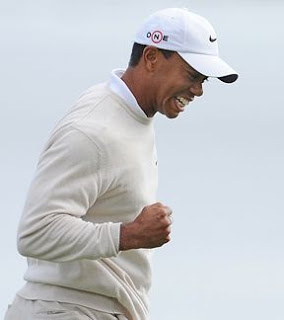
Tiger was in the zone.  On Saturday, in the third round of this year's U.S. Open, Woods made eight birdies, including five on the final nine holes, to come roaring back into contention.  "All the Opens I've won [three], I've had one stretch of nine holes," Woods said. "It doesn't have to be on a back nine or front, just a nine-hole stretch where you put it together." He knows that to win, he needs to find that "flow".

After a great performance, many athletes have described a feeling of being “in the zone.” In this state, they feel invincible, as if the game slowed down, the crowd noise fell silent and they achieved an incredible focus on their mission. What is this Superman-like state and how can players enter it when they most need it?

Like the feeling of being moved down a river by the current, this positive groove has been described as a "flow." In fact, Mihaly Csíkszentmihályi, psychology professor at Claremont Graduate University in California, coined the term in his 1990 book, “Flow: The Psychology of Optimal Experience” (Harper Row, 1990).

From his years of research, Csíkszentmihályi developed an entire theory around the concept and applied it not only to sports, but also to work life, education, music and spirituality.

Csíkszentmihályi identified nine components of the state of flow. The more of these you can achieve, the stronger your feeling of total control will be.

1. Challenge-skills balance is achieved when you have confidence that your skills can meet the challenge in front of you.

2. Action-awareness merging is the state of being completely absorbed in an activity, with tunnel vision that shuts out everything else.

3. Clear goals come into focus when you know exactly what is required of you and what you want to accomplish.

4. Unambiguous feedback is constant, real-time feedback that allows you to adjust your tactics. For example, fans and coaches will let you know how you're doing.

5. Concentration on the task at hand, with laser-beam focus, is essential.

6. Sense of control is heightened when you feel that your actions can affect the outcome of the game.

7. Loss of self-consciousness occurs when you are not constantly self-aware of your success.

8. Transformation of time takes place when you lose track of time due to your total focus on the moment.

9. Autotelic experience is achieved when you feel internally driven to succeed even without outside rewards. You do something because you love to do it.

Flow doesn't only happen to athletes. In any activity, when you're completely focused, incredibly productive and have lost track of time, you may be in the flow. You may not be trying to win the U.S. Open, but you can still say you are "in the zone."

See also: Tiger's Brain Is Bigger Than Ours and Tiger, LeBron, Beckham - Neuromarketing In Action

Morning Type Pitchers Do Better In Day Games

A Major League Baseball pitcher's natural sleep preference might affect how he performs in day and night games, according to a research abstract presented June 9, 2010, in San Antonio, Texas, at SLEEP 2010, the 24th annual meeting of the Associated Professional Sleep Societies LLC.

Results indicate that pitchers who were morning types performed statistically better overall than those who were evening types. In early games that started before 7 p.m., the earned run average (ERA) of pitchers who were morning types (3.06) was lower than the average ERA of pitchers who were evening types (3.49); however, in games that started at 7 p.m. or later, pitchers who were evening types performed slightly better (4.07 ERA) than morning types (4.15 ERA).

"We were surprised to see that chronotype did affect pitching," said principal investigator and lead author W. Christopher Winter, MD, medical director of the Martha Jefferson Hospital Sleep Medicine Center in Charlottesville, Va. "We were also surprised to see that pitchers who were more 'morning type' seemed to do better overall."

Individual pitchers showed a trend toward higher ERAs in the late games. According to Winter, this supports previous research showing that the peak performance time for most athletes is between mid-afternoon and early evening.


The study involved 18 pitchers from five MLB teams: the Los Angeles Dodgers, New York Mets, Philadelphia Phillies, San Francisco Giants and Tampa Bay Rays. Sleep preference was determined using a modified version of the Morningness-Eveningness Questionnaire (MEQ). It identifies a person's tendency to be either a morning type who prefers to go to bed and wake up early, or an evening type who prefers to stay up late at night and wake up late in the day. Ten participants were found to be evening types, and eight were morning types.

The study used the players' statistics from the 2009 season, which provided about 728 early innings and 845 late innings for analysis. Game start times were adjusted for travel using the principle that for every time zone crossed, it takes 24 hours to adjust.

"These results are important as they are potentially giving insight into an entirely new way to grade or classify an athlete, in this specific case a pitcher," said Winter. "This study may provide insight as to which pitchers would be best in a given situation based upon when the game is being played. For example, a critical game being played in the evening might be a better situation to pitch an evening-type pitcher versus a day-type pitcher."

Winter also has studied the effect of travel across time zones on the performance of MLB teams. At SLEEP 2008 he presented the initial findings of a 10-year retrospective study that was later published in the September 2009 issue of the International Journal of Sports Physiology and Performance. He found that teams traveling from Western time zones to Eastern time zones were 14 percent more likely to win than teams traveling from east to west. Teams also won more than 60 percent of the games in which they had a three-hour "circadian advantage."

Source: American Academy of Sleep Medicine

See also: Math Professor Picks 2010 MLB Division Winners and Little League Arm Injuries Jump Up

Will The Jabulani Bend At The World Cup?

Physics experts at the University of Adelaide believe the new ball created for the 2010 World Cup, called the Jabulani, will play "harder and faster," bending more unpredictably than its predecessor.  But why? And what will it mean for the game?

"The Jabulani is textured with small ridges and 'aero grooves' and represents a radical departure from the ultra-smooth Teamgeist ball, which was used in the last World Cup," says Professor Derek Leinweber, Head of the School of Chemistry & Physics at the University of Adelaide, who has previously written about and lectured on the aerodynamics of cricket balls, golf balls and the 2006 World Cup soccer ball, the Teamgeist.

Along with student Adrian Kiratidis, Professor Leinweber has been reviewing the physics behind soccer balls and what that means for the Jabulani. Adrian is also a soccer enthusiast.

"While the governing body FIFA has strict regulations on the size and weight of the balls, they have no regulations about the outside surface of the balls," Professor Leinweber says.

"The Teamgeist was a big departure at the last World Cup. Because it was very smooth -- much smoother than a regular soccer ball -- it had a tendency to bend more than the conventional ball and drop more suddenly at the end of its trajectory.

"By comparison, the aerodynamic ridges on the Jabulani are likely to create enough turbulence around the ball to sustain its flight longer, and be a faster, harder ball in play.

"The Jabulani is expected to 'bend' more for the players than any ball previously encountered. Players are also discovering new opportunities to move the ball in erratic ways, alarming the world's best goalkeepers. By the time the ball reaches the goalkeeper, the Jabulani will have swerved and dipped, arriving with more power and energy than the Teamgeist."

University of Adelaide students have also put the new World Cup soccer ball to the test on the soccer field. Based on Professor Leinweber's theories, they've attempted to "bend" the Jabulani and have also kicked the Teamgeist and a regular soccer ball for comparison.

Source: University of Adelaide

See also: Soccer Robots Are Getting Smarter At RoboCup and Soccer Referees Biased Against Tall Players

New Proof That Exercise Pumps Up Your Metabolism

Using a system that analyzes blood samples with unprecedented detail, a team led by Massachusetts General Hospital (MGH) researchers has developed the first "chemical snapshot" of the metabolic effects of exercise. Their findings, reported in the May 26 issue of Science Translational Medicine, may improve understanding of the physiologic effects of exercise and lead to new treatments for cardiovascular disease and diabetes.

"We found new metabolic signatures that clearly distinguish more-fit from less-fit individuals during exercise," says Gregory Lewis, MD, of the MGH Heart Center, the paper's lead author. "These results have implications for the development of optimal training programs and improved assessment of cardiovascular fitness, as well as for the development of nutritional supplements to enhance exercise performance."

The beneficial health effects of exercise -- including reducing the risk of heart disease, stroke and type 2 diabetes -- are well known, but the biological mechanisms underlying those effects are unclear. Previous investigations of exercise-induced changes in metabolites -- biological molecules produced in often-minute quantities -- have focused on the few molecules measured by most hospital laboratories.


Using a new mass-spectrometry-based system that profiles more than 200 metabolites at a time -- developed in collaboration with colleagues from the Broad Institute of Harvard and MIT, led by Clary Clish, PhD -- the MGH-based team analyzed blood samples taken from healthy participants before, immediately following, and one hour after exercise stress tests that were approximately 10 minutes long.

Exercise-associated changes were seen in more than 20 metabolites, reflecting processing of sugars, fats and amino acids as fuels as well as the body's utilization of ATP, the primary source of cellular energy. Several changes involved metabolic pathways not previously associated with exercise, including increases in niacinamide, a vitamin derivative known to enhance insulin release.

Another experiment that analyzed samples taken from different vascular locations indicated that most metabolite changes were generated in the exercising muscles, although some appeared to arise throughout the body. In both experiments, several metabolite changes persisted 60 minutes after exercise had ceased.

In an experiment designed to assess the effects of prolonged exercise, pre- and post-race samples were taken from 25 runners who completed the 2006 Boston Marathon. Extensive changes in several metabolites -- some different from those produced by brief exercise -- were seen in the post-race samples. Indicators of increased metabolism of fats, glucose and other carbohydrates rose in response to both brief and prolonged exercise, but in marathoners amino acid levels also fell significantly, reflecting their use of amino acids as fuel to maintain adequate glucose levels during extended exercise.

The researchers also analyzed how these metabolite changes related to participants' level of fitness -- determined by peak oxygen uptake in the short-term experiments and by finishing times for the marathon runners. In both groups they found that several changes, including those reflecting increased fat metabolism, were more pronounced in participants who were more fit.

Pursuing the hypothesis that metabolites which increase in response to exercise act on pathways involved in cellular respiration and glucose utilization, the investigators applied different combinations of metabolites to cultured muscle cells. They found that a combination of five molecules increased expression of nur77, a gene recently shown to regulate glucose levels and lipid metabolism, making it a possible treatment target for the combination of cardiovascular risk factors known as metabolic syndrome. The association of nur77 levels with exercise was supported by an experiment that found gene expression increased fivefold in the muscles of mice that had exercised for 30 minutes.

"Our results have implications for development of both diagnostic testing to track and improve exercise performance and for interventions to reduce the effects of diabetes or heart disease by improving a patient's metabolic 'fingerprint'," explains Robert Gerszten, MD, director of Clinical and Translational Research at the MGH Heart Center, the study's senior author. "Improving the health of people with cardiovascular disease is our number one goal, but defining which metabolites become deficient and need to be replenished during exercise could also lead to the next generation of sports drinks that can help healthy individuals achieve their best exercise performance."

Source: Massachusetts General Hospital

See also: High Intensity Workout Gets The Job Done and Exercise Burns Fat During But Not After Your Workout