Inside An Olympian's Brain


Michael Phelps, Nastia Liukin, Misty May-Treanor and Lin Dan are four Olympic athletes who have each spent most of their life learning the skills needed to reach the top of their respective sports, swimming, gymnastics, beach volleyball and badminton (you were wondering about Lin, weren't you...) Their physical skills are obvious and amazing to watch. For just a few minutes, instead of being a spectator, try to step inside the heads of each of them and try to imagine what their brains must accomplish when they are competing and how different the mental tasks are for each of their sports.


On a continuum from repetitive motion to reactive motion, these four sports each require a different level of brain signal to muscle movement. Think of Phelps finishing off one more gold medal race in the last 50 meters. His brain has one goal; repeat the same stroke cycle as quickly and as efficiently as possible until he touches the wall. There isn't alot of strategy or novel movement based on his opponent's movements. Its simply to be the first one to finish. 

What is he consciously thinking about during a race? In his post-race interviews, he says he notices the relative positions of other swimmers, his energy level and the overall effort required to win (and in at least one race, the level of water in his goggles.) At his level, the concept of automaticity (as discussed in a previous post) has certainly been reached, where he doesn't have to consciously "think" about the components of his stroke. In fact, research has shown that those who do start analyzing their body movements during competition are prone to errors as they take themselves out of their mental flow.


Moving up the continuum, think about gymnastics. Certainly, the skills to perform a balance beam routine are practiced to the point of fluency, but the skills themselves are not as strictly repetitive as swimming. There are finer points of each movement being judged so gymnasts keep several mental "notes" about the current performance so that they can "remember" to keep their head up or their toes pointed or to gather speed on the dismount. There also is an order of skills or routine that needs to be remembered and activated.

While swimming and gymnastics are battles against yourself and previously rehearsed movements, sports like beach volleyball and badminton require reactionary moves directly based on your opponents' movements. Rather than being "locked-in" to a stroke or practised routine, athletes in direct competition with their opponents must either anticipate or react to be successful.


So, what is the brain's role in learning each of these varied sets of skills and what commands do our individual neurons control? Whether we are doing a strictly repetitive movement like a swim stroke or a unique, "on the fly" move like a return of a serve, what instructions are sent from our brain to our muscles? Do the neurons of the primary motor cortex (where movement is controlled in the brain) send out signals of both what to do and how to do it?

Researchers at the McGovern Institute for Brain Research at MIT led by Robert Ajemian designed an experiment to solve this "muscles or movement" question. They trained adult monkeys to move a video game joystick so that a cursor on a screen would move towards a target. While the monkeys learned the task, they measured brain activity with functional magnetic resonance imaging (fMRI) to compare the actual movements of the joystick with the firing patterns of neurons. 

The researchers then developed a model that allowed them to test hypotheses about the relationship between neuronal activity that they measured in the monkey's motor cortex and the resulting actions. They concluded that neurons do send both the specific signals to the muscles to make the movement and a goal-oriented instruction set to monitor the success of the movement towards the goal. Here is a video synopsis of a very similar experiment by Miguel Nicolelis, Professor of Neurobiology at Duke University:


To back this up, Andrew Schwartz, professor of neurobiology at the McGowan Institute for Regenerative Medicine at the University of Pittsburgh School of Medicine, and his team of researchers wanted to isolate the brain signals from the actual muscles and see if the neuron impulses on their own could produce both intent to move and the movement itself. They taught adult monkeys to feed themselves using a robotic arm while the monkey's own arms were restrained. Instead, tiny probes the width of a human hair were placed in the monkey's motor cortex to pick up the electrical impulses created by the monkey's neurons. These signals were then evaluated by software controlling the robotic arm and the resulting movement instructions were carried out. The monkeys were able to control the arm with their "thoughts" and feed themselves food. Here is a video sample of the experiment:

"In our research, we've demonstrated a higher level of precision, skill and learning," explained Dr. Schwartz. "The monkey learns by first observing the movement, which activates his brain cells as if he were doing it. It's a lot like sports training, where trainers have athletes first imagine that they are performing the movements they desire."


It seems these "mental maps" of neurons in the motor cortex are the end goal for athletes to achieve the automaticity required to either repeat the same rehearsed motions (like Phelps and Liukin) or to react instantly to a new situation (like May-Treanor and Dan). Luckily, we can just practice our own automaticity of sitting on the couch and watching in a mesemerized state.

ResearchBlogging.org

R AJEMIAN, A GREEN, D BULLOCK, L SERGIO, J KALASKA, S GROSSBERG (2008). Assessing the Function of Motor Cortex: Single-Neuron Models of How Neural Response Is Modulated by Limb Biomechanics Neuron, 58 (3), 414-428 DOI: 10.1016/j.neuron.2008.02.033

Meel Velliste, Sagi Perel, M. Chance Spalding, Andrew S. Whitford, Andrew B. Schwartz (2008). Cortical control of a prosthetic arm for self-feeding Nature, 453 (7198), 1098-1101 DOI: 10.1038/nature06996
Imagine Winning Gold In Beijing

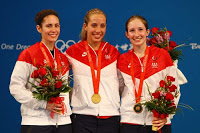
Imagine winning a gold medal at the Beijing Olympics.  No really, go ahead, close your eyes and visualize it.  What did you see?  Were you standing on the medal platform looking out at the crowd, waving and taking in the scene through your own eyes, or were you a spectator in the crowd watching yourself getting the medal put around your neck?  This choice between "first-person" or "third-person" visualization actually makes a difference on our motivation to achieve a future goal.


Noelia A. Vasquez, at York University and Roger Buehler, at Wilfrid Laurier University wanted to see if there was a link between our visualization perspective and our motivation level to achieve the imagined goal.  They asked 47 university students to imagine the successful completion of a performance task that was in their near future, whether it be a speech in a class or an upcoming athletic competition.  They were also asked to assume that the task went extremely well.  One group of students were asked to imagine this scene "through their own eyes" seeing the environment as they would actually experience it.  The second group was told to use the third-person perspective, pretending they were "in the crowd" watching themselves as others would see them achieving this goal.  Next, they were given a survey that asked each group how motivated they were to now go make this successful scene a reality. 


As hypothesized, the group that saw the scene through their audience's eyes (third-person) ranked their motivation to now succeed significantly higher than those that imagined it through their own eye (first-person).  The authors' explanation for this is the perceived additional importance attached to the task when we consider other peoples' opinion of us and our natural desire to increase our status in our peer group.  Seeing this newly elevated social acceptance and approval of ourselves from the eyes of our peers motivates us even more to reach for our goals.


The road to achievements like an Olympic gold medal is a long one with many steps along the way.  Over the years, as athletes maintain their training regimen, they can keep imagining the future goal, but they may need to also look back and recognize the improvements they have made over time.  This "progress to date" assessment will also provide motivation to keep going once they realize the hard work is actually having the desired effect and moving them along the desired path.  So, as they review their past to present progress, does the first or third person perspective make a difference there as well?


Researchers from Cornell, Yale and Ohio State, led by Thomas Gilovich, professor of psychology at Cornell, designed an experiment to find out.  They recruited a group of university students who had described their high-school years as "socially awkward" to now recall those years and compare them with their social skill in college.  The first group was asked to recall the past from a first-person perspective, just as their memories would provide them.  The second group was asked to remember themselves through the perspective of their classmates (third-person).  Next, each group was asked to assess the personal change they had accomplished since then.


As predicted, the group that had recalled their former selves in the third person reported greater progress and change towards a more social and accepted person in college than the group that remembered in the first-person.  "We have found that perspective can influence your interpretation of past events. In a situation in which change is likely, we find that observing yourself as a third person -- looking at yourself from an outside observer's perspective -- can help accentuate the changes you've made more than using a first-person perspective," says Gilovich.  "When participants recalled past awkwardness from a third-person perspective, they felt they had changed and were now more socially skilled," said Lisa K. Libby, an assistant professor of psychology at Ohio State University. "That led them to behave more sociably and appear more socially skilled to the research assistant."


So, whether looking forward or backward, seeing yourself through other's eyes seems to provide more motivation to not only continue the road to success, but to appreciate the progress you have made. 


Then the actual day of competition arrives.  It is one hour before you take your position on the starting blocks at the "Bird's Nest" stadium in Beijing or on the mat at the National Indoor Stadium for the gymnastics final.  Should you be imagining the medal ceremony and listening to your country's national anthem at that point?  In a recent Denver Post article, Peter Haberl, senior sports psychologist for the U.S. Olympic Committee says, "It takes a great deal of ability and skill to stay focused on the task at hand."  

He distinguishes between an "outcome" goal, (receiving the medal) and "performance" (improving scores/times) and "process" (improving technique) goals.  "The difference is that these types of goals are much more under the control of the athlete," explains Haberl. "The process goal, in particular, directs attention to the here and now, which allows the athlete to totally focus on the doing of the activity; this is key to performing well.  This sounds simple but it really is quite difficult because the mind takes you to the past and the future all the time, particularly in the Olympic environment with its plethora of distractions and enticing rewards." 


Mental imagery is a well-known tool for every athlete to make distant and difficult goals seem attainable.  By seeing your future accomplishments through the eyes of others, you can attach more importance and reward to achieving them.  Just imagine yourself in London in 2012!

ResearchBlogging.org

Vasquez, N.A. (2007). Seeing Future Success: Does Imagery Perspective Influence Achievement Motivation?. Personality and Social Psychology Bulletin, 33(10), 1392-1405.


Libby, L.K., Eibach, R.P., Gilovich, T. (2005). Here's Looking at Me: The Effect of Memory Perspective on Assessments of Personal Change.. Journal of Personality and Social Psychology, 88(1), 50-62. DOI: 10.1037/0022-3514.88.1.50

Lifting The Fog Of Sports Concussions


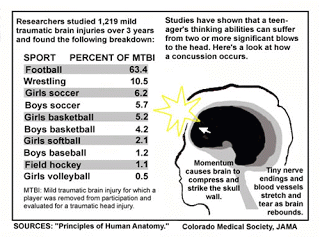
A concussion, clinically known as a Mild Traumatic Brain Injury (MTBI), is one of the most common yet least understood sports injuries.  According to the Centers for Disease Control, there are as many as 300,000 sports and recreation-related concussions each year in the U.S., yet the diagnosis, immediate treatment and long-term effects are still a mystery to most coaches, parents and even some clinicians.  

The injury can be deceiving as there is rarely any obvious signs of trauma.  If the head is not bleeding and the player either does not lose consciouness or regains it after a brief lapse, the potential damage is hidden and the usual "tough guy" mentality is to "shake it off" and get back in the game.


Leigh Steinberg, agent and representative to some of the top professional athletes in the world (including NFL QBs Ben Roethlisberger and Matt Leinart), is tired of this ignorance and attitude.  "My clients, from the day they played Pop Warner football, are taught to believe ignoring pain, playing with pain and being part of the playing unit was the most important value," Steinberg said, "I was terrified at the understanding of how tender and narrow that bond was between cognition and consciousness and dementia and confusion".  Which is why he was the keynote speaker at last week's "New Developments in Sports-Related Concussions" conference hosted by the University of Pittsburgh Medical College Sport Medicine Department in Pittsburgh. 

Leading researchers gathered to discuss the latest research on sports-related concussions, their diagnosis and treatment.  "There's been huge advancement in this area," said Dr. Micky Collins, the assistant director for the UPMC Sports Medicine Program. "We've learned more in the past five years than the previous 50 combined."


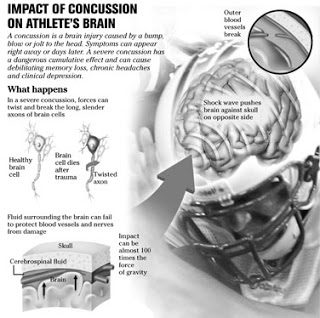
So, what is a concussion?  The CDC defines a concussion as "a complex pathophysiologic process affecting the brain, induced by traumatic biomechanical forces secondary to direct or indirect forces to the head."  Being a "mild" form of traumatic brain injury, it is generally believed that there is no actual structural damage to the brain from a concussion, but more a disruption in the biochemistry and electrical processes between neurons.  

The brain is surrounded by cerebrospinal fluid, which is supposed to provide some protection from minor blows to the head.  However, a harder hit can cause rotational forces that affect a wide area of the brain, but most importantly the mid-brain and the reticular activating system which may explain the loss of consciousness in some cases.  

For some athletes, the concussion symptoms take longer to disappear in what is known as post-concussion syndrome.  It is not known whether this is from some hidden structural damage or more permanent disruption to neuronal activity.  Repeated concussions over time can lead to a condition known as dementia pugilistica, with long-term impairments to speech, memory and mental processing.

After the initial concussion, returning to the field before symptoms clear raises the risk of second impact syndrome, which can cause more serious, long-term effects.  As part of their "Heads Up" concussion awareness campaign, the CDC offers this video story of Brandon Schultz, a high school football player, who was not properly diagnosed after an initial concussion and suffered a second hit the following week, which permanently changed his life.  Without some clinical help, the player, parents and coach can only rely on the lack of obvious symptoms before declaring a concussion "healed".  

However, making this "return to play" decision is now getting some help from some new post-concussion tests.  The first is a neurological skills test called ImPACT (Immediate Post-Concussion and Cognitive Testing) created by the same researchers at UPMC.  It is an online test given to athletes after a concussion to measure their performance in attention span, working memory, sustained and selective attention time, response variability, problem solving and reaction time.  Comparing a "concussed" athlete's performance on the test with a baseline measurement will help the physician decide if the brain has healed sufficiently.

However, Dr. Collins and his team wanted to add physiological data to the psychological testing to see if there was a match between brain activity, skill testing and reported symptoms after a concussion.  In a study released last year in the journal Neurosugery, they performed functional MRI (fMRI) brain imaging studies on 28 concussed high-school athletes while they performed certain working memory tasks to see if there was a significant link between performance on the tests and changes in brain activation.  They were tested about one week after injury and again after the normal clinical recovery period.

“In our study, using fMRI, we demonstrate that the functioning of a network of brain regions is significantly associated with both the severity of concussion symptoms and time to recover,” said Jamie Pardini, Ph.D., a neuropsychologist on the clinical and research staff of the UPMC concussion program and co-author of the study.  
 "We identified networks of brain regions where changes in functional activation were associated with performance on computerized neurocognitive testing and certain post-concussion symptoms,” Dr. Pardini added. "Also, our study confirms previous research suggesting that there are neurophysiological abnormalities that can be measured even after a seemingly mild concussion.” 

Putting better assessment tools in the hands of athletic trainers and coaches will provide evidence-based coaching decisions that are best for the athlete's health.  Better decisions will also ease the minds of parents knowing their child has fully recovered from their "invisible" injury.


ResearchBlogging.org

Lovell, M.R., Pardini, J.E., Welling, J., Collins, M.W., Bakal, J., Lazar, N., Roush, R., Eddy, W.F., Becker, J.T. (2007). FUNCTIONAL BRAIN ABNORMALITIES ARE RELATED TO CLINICAL RECOVERY AND TIME TO RETURN-TO-PLAY IN ATHLETES. Neurosurgery, 61(2), 352-360. DOI: 10.1227/01.NEU.0000279985.94168.7F

HGH - Human Growth Hoax?

Athletes, both professional and amateur, as well as the general public are convinced that human growth hormone (HGH), Erythropoietin (EPO) and anabolic-androgenic steroids (AAS) are all artificial and controversial paths to improved performance in sports.  The recent headlines that have included Barry Bonds, Marion Jones, Floyd Landis, Dwayne Chambers, Jose Canseco, Jason Giambi, Roger Clemens and many lesser known names (see the amazingly long list of doping cases in sport) have referred to these three substances interchangeably leaving the public confused about who took what from whom.  With so many athletes willing to gamble with their futures, they must be confident that they will see significant short-term results.  

So, is it worth the risk?  Two very interesting recent studies provide some answers on at least one of the substances, HGH.


A team at the Stanford University School of Medicine, led by Hau Liu MD, recently reviewed 27 historical studies on the effects of HGH on athletic performance, dating back to 1966 (see reference below).  They wanted to see if there were any definitive links between HGH use and improved results.  In some of the studies, test volunteers who received HGH did develop more lean body mass, but also developed more lactate during aerobic testing which inhibited rather than helped performance.  While their muscle mass increased, other markers of athletic fitness, such as VO2max remained unchanged.  “The key takeaway is that we don’t have any good scientific evidence that growth hormone improves athletic performance,” said senior author Andrew Hoffman, MD, professor of endocrinology, gerontology and metabolism.


Both Liu and Hoffman cautioned that the amounts of HGH given to these test subjects may be much lower than the the purported levels claimed to be taken by professional athletes.  They also pointed out that at a professional level, a very slight improvement might be all that is necessary to get an edge of your opponent.  Hoffman also added an insightful comment, “So much of athletic performance at the professional level is psychological.”  If an athlete takes HGH, sees some muscle mass growth and isn't 100% sure of its performance capabilities, might he assume he now has other "Superman" powers?


That is exactly the premise that a research team from Garvan Institute of Medical Research in Sydney, Australia used to find out if HGH users simply relied on a placebo effect.  Sixty-four participants, young adult recreational athletes, were divided into two groups of 32 and tested for a baseline of athletic ability in endurance, strength, power and sprinting.  One group received growth hormone and the other group received a simple placebo.  It was a "double-blind" study in that neither the participants nor the researchers knew during the testing which substance each group received.


At the end of the 8 week treatment, the athletes were asked if they thought they were in the HGH group or the placebo group.  Half of the group that had received the placebo incorrectly guessed that they were on HGH.  Not too surprisingly, the majority of the "incorrect guessers" were men.  Here's where it gets interesting.  The incorrect guessers also thought that their athletic abilities had improved over the 8 week period.  The team retested all of the placebo group and actually did find improvement across all of the tests, but only significantly in the high-jump test.


Jennifer Hansen, a nurse researcher and Dr. Ken Ho, head of the pituitary research unit at Garvan have not released the data on the group that did receive the HGH, but they will in their final report coming soon.


So, let's recap.  On the one hand, we have a research review that claims there is not yet any scientific evidence that HGH actually improves sports performance.  Yet, we have hundreds, if not thousands, of athletes illegally using HGH for performance gain.  Showing the effect of the "if its good enough for them, its good enough for me" beliefs of the public regarding professional athlete use of HGH, we now have research that shows even those who received a placebo, but believed they were taking HGH not only thought they were improving but actually did improve a little.  Once again, we see the power of our own natural, non-supplemented brain to convince (or fool) ourselves to perform at higher levels than we thought possible.


ResearchBlogging.org


Liu, H., Bravata, D.M., Olkin, I., Friedlander, A., Liu, V., Roberts, B., Bendavid, E., Saynina, O., Salpeter, S.R., Garber, A.M. (2008). Systematic review: the effects of growth hormone on athletic performance.. Annals of Internal Medicine, 148(10), 747-758.

Sideline Raging Soccer Moms (and Dads!)

Visit any youth soccer field, baseball diamond, basketball court or football field and you will likely see them:  parents behaving badly.  Take a look at this Good Morning America report:

These are the extremes, but at most games, you can find at least one adult making comments at the referee, shouting at their child, or having a verbal exchange with another parent.  Thankfully, these parents represent only a small percentage of those attending the game.  Does that mean the others don't become upset at something during the game?  Usually not, as there are lots of opportunities to dispute a bad call or observe rough play or react to one of these loud parents.  

The difference is in our basic personality psyche, according to Jay Goldstein, a kinesiology doctoral student at the University of Maryland School of Public Health.  His thesis, recently published in the Journal of Applied Social Psychology (see reference below), hypothesized that a parent with "control-oriented" personality would react to events at a game more than a parent with an "autonomy-oriented" personality.

According to Goldstein, defending our ego is what usually gets us in trouble when we feel insulted or take something personally.  At youth sports games, we transfer this pride to our kids, so if someone threatens their success on the field, we often take it personally.  The control-oriented parent is more likely to react with a verbal or sometimes physical response, while an autonomy-oriented parent is better able to internalize and maintain their emotions.  This "control" vs. "autonomy" comparison has also been seen in research on "road rage", when drivers react violently to another driver's actions.

Goldstein and his team focused their research on suburban Washington soccer parents back in 2004.  They designed a survey for parents to fill out prior to watching a youth soccer game that would help categorize them as control or autonomy-oriented.  Immediately after the game ended, another survey was given to the parents that asked about any incidents during the game that made them angry on a scale of 1, slightly angry, to 7, furious.  They were also asked what action they took when they were angry.  Choices included "did nothing" to more aggressive acts like walking towards the field and/or yelling or confronting either the referee, their own child, or another player/parent.  53% of the 340 parents surveyed reported getting angry at something during the game, while about 40% reported doing something about their anger.

There was a direct and significant correlation between control-oriented parents, as identified in the pre-game survey, and the level of angry actions they took during the game.  Autonomy-oriented parents still got mad, but reported less aggressive reactions.  As Goldstein notes, “Regardless of their personality type, all parents were susceptible to becoming more aggressive as a result of viewing actions on the field as affronts to them or their kids.  However, that being said, it took autonomy-oriented parents longer to get there as compared to the control-oriented parents.”

So, now that we know the rather obvious conclusion that parents who yell at other motorists are also likely to yell at referees, what can we do about it?  Goldstein sees this study as a first step.  He hopes to study a wider cross-section of sports and socio-economic populations.  Many youth sports organizations require parents to sign a pre-season "reminder" code of conduct, but those are often forgotten in the heat of the battle on the field.  

Maybe by offering the same type of personality survey prior to the season, the "control-oriented" parents can be offered resources to help them manage their tempers and reactions during a game.  Since referees were the number one source of frustration reported by parents, two solutions are being explored by many organizations; more thorough referee training and quality control while also better training of parents on the rules of the game which often cause the confusion.

Sports contests will always be emotional, from kids' games all the way up to professionals.  Keeping the games in perspective and our reactions positive are tough things to do but when it comes to our kids, it is required.

ResearchBlogging.org

Goldstein, J.D., Iso-Ahola, S.E. (2008). Determinants of Parents' Sideline-Rage Emotions and Behaviors at Youth Soccer Games. Journal of Applied Social Psychology, 38(6), 1442-1462. DOI: 10.1111/j.1559-1816.2008.00355.x

Does Practice Make Perfect?


For years, sport science and motor control research has added support to the fundamental assertions that "practice makes perfect" and "repetition is the mother of habit".  Shooting 100 free throws, kicking 100 balls on goal or fielding 100 ground balls must certainly build the type of motor programs in the brain that will only help make the 101st play during the game.  K. Anders Ericsson, the "expert on experts", has defined the minimum amount of "deliberate practice" necessary to raise any novice to the level of expert as 10 years or 10,000 hours.

However, many questions still exist as to exactly how we learn these skills.  What changes happen in our brains when we teach ourselves a new task?  What is the most effective and efficient way to master a skill?  Do we have to be actually performing the skill to learn it, or could we just watch and learn? 


Then, once we have learned a new skill and can repeat it with good consistency, why can't we perform it perfectly every time?  Why can't we make every free throw, score with every shot on goal, and field each ground ball with no errors?  We would expect our brain to just be able to repeat this learned motor program with the same level of accuracy.

To answer these questions, we look at two recent studies.  The first, by a team at Dartmouth's Department of Psychological and Brain Sciences, led by Emily Cross, who is now a post-doc at Max Planck Institute for Cognitive and Brain Sciences in Leipzig, Germany, wanted to know if we need to physically perform a new task to learn it, or if merely observing others doing it would be enough. 

The "task" they chose was to learn new dance steps from a video game eerily similar to "Dance, Dance Revolution".  If you (or your kids) have never seen this game, its a video game that you actually get up off the couch and participate in, kind of like the Nintendo Wii.  In this game, a computer screen (or TV) shows you the dance moves and you have to imitate them on a plastic mat on the floor connected to the game.  If you make the right steps, timed to the music, you score higher.

Cross and the team "taught" their subjects in three groups.  The first group was able to view and practice the new routine.  The second group only was allowed to watch the new routine, but not physically practice it.  The third group was a control group that did not get any training at all.  The subjects were later scanned using functional magnetic resonance imaging (fMRI) while they watched the same routine they had either learned (actively or passively) or not seen (the control group).


As predicted, they found that the two trained groups showed common activity in the Action Observance Network (AON) in the brain (see image on left), a group of neural regions found mostly in the inferior parietal and premotor cortices of the brain (near the top of the head) responsible for motor skills and some memory functions.  In other words, whether they physically practised the new steps or just watched the new steps, the same areas of the brain were activated and their performance of the new steps were significantly similar.  The team put together a great video summarizing the experiment.  

One of the themes from this study is that, indeed, learning a motor skill takes place in the brain.  This may seem like an obvious statement, but its important to accept that the movements that our limbs make when performing a skill are controlled by the instructions provided from the brain.  So, what happens when the skill breaks down?  Why did the quarterback throw behind the receiver when we have seen him make that same pass accurately many times?  


To stay true to our theme, we have to blame the brain.  It may be more logical to point to a mechanical breakdown in the player's form or body movements, but the "set-up" for those movements starts with the mental preparation performed by the brain.


In the second study, electrical engineers at Stanford University took a look at these questions to try to identify where the inconsistencies of movement start.  They chose to focus on the "mental preparation" stage which occurs just before the actual movement.  During this stage, the brain plans the coordination and goal for the movement prior to initiating it.  The team designed a test where monkeys would reach for a green dot or a red dot.  If green, they were trained to reach slowly for the dot; if red, to reach quickly.  By monitoring the areas of the monkeys' brains through fMRI, they observed activity in the AON prior to the move and during the move.  


Over repeated trials, changes in reach speed were associated with changes in pre-movement activity.  So, instead of perfectly consistent reach times by the monkeys, they saw variation, like we might see when trying to throw strikes with a baseball many times in a row.  Their conclusion was that this planning activity in the brain does have an effect on the outcome of the activity.  Previously, research had focused only on breakdowns during the actual move and in the mechanics of muscles.  This study shows that the origin of the error may start earlier.


As electrical engineering Assistant Professor Krishna Shenoy stated, "the main reason you can't move the same way each and every time, such as swinging a golf club, is that your brain can't plan the swing the same way each time."  

Postdoctoral researcher and co-author Mark Churchland added, "The nervous system was not designed to do the same thing over and over again.  The nervous system was designed to be flexible. You typically find yourself doing things you've never done before." 
The Stanford team also has made a nice short video synopsis of their study.

Does practice make perfect?  First, we must define "practice".  We saw that it could be either active or passive.  Second, we know sports skills are never "perfect" all the time, and need to understand where the error starts before we can begin to fix it.

Stats Vs. Hunches - The Moneyball Era In Sports

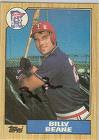
Most baseball general managers live in obscurity most of their careers.  Its their first hire, the manager, that usually gets the red hot spotlight, after every win and loss, second-guessed by reporters with recorders and then later by fans.  The GM puts the players on the field and lets the manager and his coaches take it from there.  Billy Beane , Oakland A's general manager, could have also been an unknown, albeit interesting, name to the baseball audience if it were not for author Michael Lewis' 2003 book, Moneyball .  Moneyball was a runaway hit (even today, 5 years later, it is #19 on Amazon's list of baseball books).  It has morphed into a full-fledged catchphrase philosophy used by everyone from Wall Street (where Beane borrowed the concept) to business consulting.  The general theme is to find undervalued assets (ballplayers) by focusing on statistics that your competition is ignoring.  Of course, you have to believe in your metrics and their predictive value for success (why has everyone else ignored these stats?)  The source of most of Beane's buried treasure of stats was Bill James and his Sabrmetrics.  Like picking undervalued stocks of soon to explode companies, Beane looked for the diamond in the dust (pun intended) and sign the player while no one was looking.  Constrained by his "small-market" team revenues, or maybe by his owners' crowbar-proof wallets, he needed to make the most from every dollar.


The combination of a GM's shrewd player selection and a manager who can develop that talent should reward the owner with the best of both worlds: an inexpensive team that wins.  This salary vs. performance metric is captured perfectly in this "real-time" graphic at BenFry.com .  It connects the updated win-loss record for each MLB team with its payroll to show the "bang for the buck" that the GMs/managers are getting from their players.  Compare the steep negative relationship for the Mets, Yankees, Tigers and Mariners with the amazing results of the Rays, Twins and Beane's own A's.  While the critics of Moneyball tactics would rightly point to the A's lack of a World Series win or even appearance, the "wins to wages" ratio has not only kept Beane in a job but given him part ownership in the A's and now the newly resurrected San Jose Earthquakes of soccer's MLS.  Beane believes the same search for meaningful and undiscovered metrics in soccer can give the Quakes the same arbitrage advantage.  In fact, there are rumours that he will focus full-time on conquering soccer as he knows there are much bigger opportunities worldwide if he can prove his methods within MLS.

In baseball, Beane relied on the uber-stat guru, Bill James, for creative and more relevant statistical slices of the game.  In soccer, he is working with some top clubs including his new favorite, Tottenham-Hotspur, of the English Premier League.  While he respects the history and tradition of the game, he is confident that his search for a competitive advantage will uncover hidden talents.  Analytical tools from companies such as Opta in Europe and Match Analysis in the U.S. have combined video with detailed stat breakdowns of every touch of the ball for every player in each game.  Finding the right pattern and determinant of success has become the key, according to Match Analysis president Mark Brunkhart as quoted earlier this year,
"You don't need statistics to spot the real great players or the really bad ones. The trick is to take the players between those two extremes and identify which are the best ones.  If all you do is buy the players that everyone else wants to buy then you will end up paying top dollar. But if you take Beane's approach - to use a disciplined statistical process to influence the selection of players who will bring the most value - then you are giving yourself the best chance of success. Who would not want to do that?"

Not to feel left out (or safe from scrutiny), the NBA now has its own sport-specific zealots.  The Association for Professional Basketball Research (APBR) devotes its members time and research to finding the same type of meaningful stats that have been ignored by players, coaches and fans.  They, too, have their own Moneyball-bible, "The Wages of Wins " by David Berri, Martin Schmidt, and Stacey Brook.  David Berri's WoW journal/blog regularly posts updates and stories related to the current NBA season and some very intriguing analysis of its players and the value of their contributions.  None other than Malcolm Gladwell, of Tipping Point and Blink fame, provided the review of Wages of Wins for the New Yorker.  One of the main stats used is something called a player's "Win Score" which attempts to measure the complete player, not just points, rebounds and assists.
Win Score (WS) = PTS + REB + STL + ½*BLK + ½*AST – FGA – ½*FTA – TO – ½*PF.   (Points, Rebounds, Steals, Blocked Shots, Assists, Field Goal Attempts, Free Throw Attempts, Turnovers, Personal Fouls)

WS is then adjusted for minutes played with the stat, WS48.  Of course, different player positions will have different responsibilities, so to compare players of different positions the Position Adjusted Win Score per 48 minutes or PAWS48 is calculated as: WS48 – Average WS48 at primary position played.  This allows an apples to apples comparison between players at a position, and a reasonable comparison of players' values across positions.  Berri's latest article looks at the fascination with Michael Beasley and some early comparisons in the Orlando Summer League. 

Will these statistics-based approaches to player evaluation be accepted by the "establishment"?  Judging by the growing number of young, MBA-educated GMs in sports, there is a movement towards more efficient and objective selection criteria.  Just as we saw in previous evidence-based coaching articles , the evidence-based general manager is here to stay.

Play Better Golf By Playing Bigger Holes

Here are some quotes we have all heard (or said ourselves) on the golf course or at the ball diamond.

On a good day:
"It was like putting into the Grand Canyon"
"The baseball looked like a beach ball up there today"

On a bad day:
"The hole was as small as a thimble"
"I don't know, it looked like he was throwing marbles"

The baseball and the golf hole are the same size every day, so are these comments meaningless or do we really perceive these objects differently depending on the day's performance? And, does our performance influence our perception or does our perception help our performance?

Jessica Witt, an assistant professor of psychological science at the University of Virginia has made two attempts at the answer. First, in a 2005 study, "See the Ball, Hit the Ball", her team studied softball players by designing an experiment that tried to correlate perceived softball size to performance. She interviewed players immediately after a game and asked them to estimate the size of the softball by picking a circle off of a board that contained several different sizes. She then found out how that player had done at the plate that day. 


As expected, the players that were hitting well chose the larger sized circles to represent the ball size, while the underperforming hitters chose the smaller circles. The team was not able to answer the question of causality, so they expanded the research to other sports.

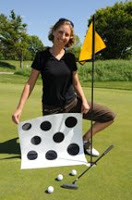
Fast forward to July, 2008 and Witt and her team have just released a very similar study focused on golf, "Putting to a bigger hole: Golf performance relates to perceived size". Using the same experiment format, players who had just finished a round of golf were asked to pick out the perceived size of the hole from a collection of holes that varied in diameter by a few centimeters. Once again, the players who had scored well that day picked the larger holes and vice versa for that day's hackers. So, the team came to the same conclusion that there is some relationship between perception and performance, but could not figure out the direction of the effect. Ideally, a player could "imagine" a larger hole and then play better because of that visual cue.

Researchers at Vanderbilt University may have the answer. In a study, "The Functional Impact of Mental Imagery on Conscious Perception", the team led by Joel Pearson, wanted to see what influence our "Mind's Eye" has on our actual perception. In their experiment, they asked volunteers to imagine simple patterns of vertical or horizontal stripes. Then, they showed each person a pattern of green horizontal stripes in one eye and red vertical stripes in the other eye. This would induce what is known as the "binocular rivalry" condition where each image would fight for control of perception and would appear to alternate from one to the other. In this experiment, however, the subjects reported seeing the image they had first imagined more often. So, if they had imagined vertical stripes originally, they would report seeing the red vertical stripes predominantly.

The team concluded that mental imagery does have an influence over what is later seen. They also believe that the brain actually processes imagined mental images the same way it handles actual scenes. "More recently, with advances in human brain imaging, we now know that when you imagine something parts of the visual brain do light up and you see activity there," Pearson says. "So there's more and more evidence suggesting that there is a huge overlap between mental imagery and seeing the same thing. Our work shows that not only are imagery and vision related, but imagery directly influences what we see."

So, back to our sports example, if we were able to imagine a large golf hole or a huge baseball, this might affect our actual perception of the real thing and increase our performance. This link has not been tested, but its a step in the right direction. Another open question is the effect that our emotions and confidence have on our perceived task. That hole may look like the Grand Canyon, but the sand trap might look like the Sahara Desert!

ResearchBlogging.org

Witt, J.K. (2008). Putting to a bigger hole: golf performance relates to perceived size. Psychonomic Bulletin & Review, 15

Brains Over Brawn In Sports

Sometimes, during my daily browsing of the Web for news and interesting angles on the sport science world, I get lucky and hit a home run.  I stumbled on this great May 2007 Wired article by Jennifer Kahn, Wayne Gretzky-Style 'Field Sense' May Be Teachable.  It ties together the people and themes of my last three posts, focusing on the concept of perception in sports.


Wayne Gretzky is often held up as the ultimate example of an athlete with average physical stature, who used his cognitive and perceptual skills to beat opponents.  Joining Gretzky in the "brains over brawn" Hall of Fame would be pitcher Greg Maddux, NBA guard Steve Nash and quarterback Joe Montana.  They were all told as teenagers that they didn't have the size to succeed in college or the pros, but they countered this by becoming master students of the game, constantly searching for visual cues that would give them the advantage of a fraction of second or the element of surprise.


Kahn's story focuses on two sport scientists that we have met before.  Peter Vint, sport technologist with the US Olympic team, who I highlighted in the post, Winning Olympic Gold With Sport Science,  comments on this, "In any sport, you come across these players.  They're not always the most physically talented, but they're by far the best. The way they see things that nobody else sees — it can seem almost supernatural. But I'm a scientist, so I want to know how the magic works."  So, Vint and his team continue to search not only for the secret to the magic, but how it can be taught.


Vint acknowledges the work of one of his fellow sport scientists, Damian Farrow, of the Australian Institute for Sport, who was part of the discussion roundtable mentioned in my post, Getting Sport Science Out Of The Lab And Onto The Field.


He is also fascinated with the perceptual abilities of elite athletes.  In his own sport, tennis, he wanted to know how expert players could return serves much better than novice players.  Similar to the research we looked at in an earlier post about tennis, Federer and Nadal Can See the Difference, Farrow designed an experiment that would try to identify the cues that players might need to instinctively estimate the speed and direction of a serve.  He had three groups of players, expert, non-expert but coached, and non-expert/non-coaced novices, wear ear plugs to block out the sound of the ball hitting the racquet as well as occlusion glasses that could block vision with the touch of an assistant's button.  

By changing the point of the serve at which the glasses would go black, and the players would be "blind", he could try to isolate the action of the server that the expert players might be tuned into that the novices were not.  The decisive point was immediately before impact between the racquet and the ball.  Arm and racquet position at that point seemed to let the expert players estimate the direction of the serve more accurately than the novices.


But Vint and Farrow are not satisfied just knowing what an expert knows.  They want to understand how to teach this skill to novices.  From his own competitive tennis playing days, Farrow remembers that if he consciously focused his mind on things like arm position, racquet angle, etc., he would be miss the serve as his reaction time would drop.  He understood that players need to not only learn the cues, but learn them to the point of "automaticity" through implicit learning.  

You may remember our discussion of implicit learning from the post, Teaching Tactics and Techniques in Sports.   Malcolm Gladwell, in his best-selling book, Blink, calls this implicit decision-making ability "thin slicing" and gives examples of how we can often make better decisions in the "blink" of an eye, rather than through long analysis.  Obviously, in sports, when only seconds or sub-seconds are allowed for decisions, this blink must be so well-trained that it is at the sub-conscious level.

For Vint and Farrow, the experiments continue, looking at each sport, but beyond the raw physical and technical skills that need to be taught but often times are the only skills that are taught.   

Understanding the cognitive side of the game will provide the edge when all else is equal.

Getting Sport Science Out Of The Lab And Onto The Field


You are a coach, trying to juggle practice plans, meetings, game prep and player issues while trying to stay focused on the season's goals.  At the end of another long day, you see this in your inbox:

MEMO
To:           All Head Coaches
From:      Athletic Director
Subject:  Monthly Reading List to Keep Up with Current Sport Science Research 
-  Neuromuscular Activation of Triceps Surae Using Muscle Functional MRI and EMG
-  Positive effects of intermittent hypoxia (live high:train low) on exercise performance are not mediated primarily by augmented red cell volume
-  Physiologic Left Ventricular Cavity Dilatation in Elite Athletes
-  The Relationships of Perceived Motivational Climate to Cohesion and Collective Efficacy in Elite Female Teams


Just some light reading before bedtime...  This is an obvious exaggeration (and weak attempt at humor) of the gap between sport science researchers and practitioners.  While those are actual research paper titles from the last few years under the heading of "sport science", the intended audience was most likely not coaches or athletes, but rather fellow academic peers.  The real question is whether the important conclusions and knowledge captured in all of this research is ever actually used to improve athletic performance?  How can a coach or athlete understand, combine and transfer this information into their game?

David Bishop of the Faculty of Exercise and Sport Science at the University of Verona has been looking at this issue for several years.  It started with a roundtable discussion he had at the 2006 Congress of the Australian Association for Exercise and Sports Science with several academic sport scientists (see: Sports-Science Roundtable: Does Sports-Science Research Influence Practice? )  He asked very direct questions regarding the definition of sport science and whether the research always needs to be "applied" versus establishing a "basic" foundation.  The most intriguing question was whether there already is ample research that could applied, but it suffered from the lack of a good translator to interpret and communicate to the potential users - coaches and athletes.  The panel agreed that was the missing piece, as most academic researchers just don't have the time to deliver all of their findings directly to the field.

In a follow-up to this discussion, Bishop recently published his proposed solution titled, "An Applied Research Model for the Sport Sciences" in Sports Medicine (see citation below).  In it, he calls for a new framework for researchers to follow when designing their studies so that there is always a focus on how the results will directly improve athletic performance.  He calls for a greater partnership role between researchers and coaches to map out a useful agenda of real world problems to examine.  He admits that this model, if implemented, will only help increase the potential for applied sport science.  The "middleman" role is still needed to bring this information to the front lines of sports.

The solution for this "gathering place" community seems perfect for Web 2.0 technology.  One specific example is an online community called iStadia.com.  Keith Irving and Rob Robson, two practicing sport science consultants, created the site two years ago to fill this gap.  Today, with over 600 members, iStadia is approaching the type of critical mass that will be necessary to bring all of the stakeholders together.  Of course, as with any online community, the conversations there are only as good as the participants want to make it.  But, with the pressure on coaches to improve and the desire of sport scientists to produce relevant knowledge, there is motivation to make the connection.

Another trend favoring more public awareness of sport science is the additional, recent media attention, especially related to the upcoming Beijing Olympics.  In an earlier post, Winning Olympic Gold With Sport Science, I highlighted a feature article from USA Today.  This month's Fast Company also picks up on this theme with their cover article, Innovation of Olympic Proportions, describing several high-tech equipment innovations that will be used at the Games.  Each article mentions the evolving trust and acceptance of sport science research by coaches and athletes.  When they see actual products, techniques and, most importantly, results come from the research, they cannot deny its value.


ResearchBlogging.org


Bishop, D. (2008). An Applied Research Model for the

Sport Sciences. Sports Medicine, 38(3), 253-263.

Teaching Tactics and Techniques In Sports

You have probably seen both types of teams. Team A: players who are evenly spaced, calling out plays, staying in their positions only to watch them dribble the ball out of bounds, lose the pass, or shoot wildly at the goal. Team B: amazing ball control, skillful shooting and superior quickness, speed and agility but each player is a "do-it-yourselfer" since no one can remember a formation, strategy or position responsibility. Team A knows WHAT to do, but can't execute. Team B knows HOW to do it, but struggles with making good team play decisions. This is part of the ongoing balancing act of a coach. At the youth level, teaching technique first has been the tradition, followed by tactical training later and separately. More recently, there has been research on the efficiency of learning in sports and whether there is a third "mixed" option that yields better performance.


Earlier, we took an initial look at Dr. Joan Vickers' Decision Training model as an introduction to this discussion. In addition, Dr. Markus Raab of the Institute for Movement Sciences and Sport, University of Flensburg, Germany, (now of the Institute of Psychology, German Sport University in Cologne), took a look at four major models of teaching sports skills that agree that technical and tactical skills need to be combined for more effective long-term learning.Each of the four models vary in their treatment of learning along two different dimensions; implicit vs. explicit learning and domain-specific vs. domain-general environments. 


Types of Learning

Imagine two groups of boys playing baseball. The first group has gathered at the local ball diamond at the park with their bats, balls and gloves. No coaches, no parents, no umpires; just a group of friends playing an informal "pick-up" game of baseball. They may play by strict baseball rules, or they may improvise and make their own "home" rules, (no called strikes, no stealing, etc.). In the past, they may have had more formal coaching, but today is unstructured.


The second group is what we see much more often today. A team of players, wearing their practice uniforms are driven by their parents to team practice at a specific location and time to be handed off to the team coaches. The coaches have planned a 90 minute session that includes structured infield practice, then fly ball practice, then batting practice and finally some situational scrimmages. Rules are followed and coaching feedback is high. Both groups learn technical and tactical skills during their afternoon of baseball. They differ in the type of learning they experience.

The first group uses "implicit" learning while the second group uses "explicit" learning. Implicit learning is simply the lack of explicit teaching. It is "accidental" or "incidental" learning that soaks in during the course of our play. There is no coach teaching the first group, but they learn by their own trial and error and internalize the many if-then rules of technical and tactical skills. Explicit learning, on the other hand, is directed instruction from an expert who demonstrates proper technique or explains the tactic and the logic behind it.


An interesting test of whether a specific skill or piece of knowledge has been learned with implicit or explicit methods is to ask the athlete to describe or verbalize the details of the skill or sub-skill. If they cannot verbalize how they know what they know, it was most likely learned through implicit learning. However, if they can explain the team's attacking strategy for this game, for example, that most likely came from an explicit learning session with their coach.


Types of Domains

The other dimension that coaches could use in choosing the best teaching method is along the domain continuum. Some teaching methods work best to teach a skill that is specific to that sport's domain and the level of transferability to another sport is low. These methods are known as domain-specific. For more general skills that can be useful in several related sports, a method can be used known as domain-general.

Why would any coach choose a method that is not specific to their sport? There has been evidence that teaching at a more abstract level, using both implicit and explicit "play" can enhance future, more specific coaching. Also, remember our discussion about kids playing multiple sports.Based on these two dimensions, Dr. Raab looked at and summarized these four teaching models:
  • Teaching Games for Understanding (TGFU)
  • Decision Training (DT)
  • Ball School (Ball)
  • Situation Model of Anticipated Response consequences of Tactical training (SMART)
TGFU

The TGFU approach, (best described by Bunker, D.; Thorpe, R. (1982) A model for the teaching of games in the secondary school, Bulletin of Physical Education, 10, 9–16), is known for involving the athlete early in the "cognition" part of the game and combining it with the technical aspect of the game. Rather than learn "how-to" skills in a vacuum, TGFU argues that an athlete can tie the technical skill with the appropriate time and place to use it and in the context of a real game or a portion of the game.

This method falls into the explicit category of learning, as the purpose of the exercise is explained. However, the exercises themselves stress a more domain-general approach of more generic skills that can be transferred between related sports such as "invasion games" (soccer, football, rugby), "net games" (tennis, volleyball), "striking/fielding games" (baseball, cricket) and "target games" (golf, target shooting). 


Decision Training

The DT method, (best described by Vickers, J. N., Livingston, L. F., Umeris-Bohnert, S. & Holden, D. (1999) Decision training: the effects of complex instruction, variable practice and reduced delayed feedback on the acquisition and transfer of a motor skill, Journal of Sports Sciences, 17, 357–367), uses an explicit learning style but with a domain-specific approach. Please see my earlier post on Decision Training for details of the approach. 


Ball School

The Ball School approach, (best described by Kroger, C. & Roth, K. (1999) Ballschule: ein ABC fur Spielanfanger [Ball school: an ABC for game beginners] (Schorndorf, Hofmann), starts on the other end of both spectrums, in that it teaches generic domain-general skills using implicit learning. It emphasizes that training must be based on ability, playfullness, and skill-based. Matching the games to the group's abilities, while maintaining an unstructured "play" atmosphere will help teach generic skills like "hitting a target" or "avoiding defenders". 


SMART

Dr. Raab's own SMART model, (best described in Raab, M. (2003) Decision making in sports: implicit and explicit learning is affected by complexity of situation, International Journal of Sport and Exercise Psychology, 1, 406–433), blends implicit and explicit learning within a domain-specific environment. The idea is that different sports' environmental complexity may demand either an implicit or explicit learning method. Raab had previously shown that skills learned implicitly work best in sport enviroments with low complexity. Skills learned explicitly will work best in highly complex environments. Complexity is measured by the number of variables in the sport. So, a soccer field has many moving parts, each with its own variables. So, the bottom line is to use the learning strategy that fits the sport's inherent difficulty. So, learning how to choose from many different skill and tactical options would work best if matched with the right domain-specific environment.  


Bottom-Line for Coaches

What does all of this mean for the coach? That there are several different models of instruction and that one size does not fit all situations. Coaches need an arsenal of tools to use based on the specific goals of the training session. In reality, most sports demand both implicit and explicit learning, as well as skills that are specific to one domain, and some that can transfer across several sport domains. Flexibility in the approach taken goes back to the evidence based coaching example we gave last time. Keeping an open mind about coaching methods and options will produce better prepared athletes.


ResearchBlogging.org


(2007). Discussion. Physical Education & Sport Pedagogy, 12(1), 1-22. DOI: 10.1080/17408980601060184

Winning Olympic Gold With Sport Science

Its something that every coach and every athlete of every sport is searching for... the EDGE. That one training tip, equipment improvement, mental preparation or tactical insight that will tip the game towards them. The body of knowledge that exists today in each sport is assumed, with each competitor expected to at least be aware of the history, beliefs and traditions of their individual sport. But, if each team is starting with the same set of information then the team that takes the next step by applying new research and ideas will capture the edge.

To me, that is what sport science is all about. The goal is to improve sports performance by imagining, analyzing, experimenting, testing, documenting and training new methods to coaches and athletes.

You might have seen a great article in the 6/23 edition of USA Today; "In hunt for Olympic gold, techies are major players" by Jodi Upton. We meet Peter Vint, a "sport technologist" in the Performance Technology Division of the US Olympic Training Center in Colorado Springs, CO, whose job it is to find ways to win more gold medals. From the article; "The next revolution, Vint says, is breaking down the last secrets of elite athletes: response time, how they read the field and other players — everything that goes into the vision, perception and split-second decision-making of an athlete. 'We've always looked at that as mysterious, something that's unmeasurable and innate,' Vint says. 'But we think it can be taught.'"

Interestingly, Vint cites another pioneer in evidence-based sports coaching, Oakland A's general manager, Billy Beane. "We're becoming progressively more data-driven," Vint says of the center's training efforts. "We are trying to pursue what Sabermetrics and Billy Beane did for baseball, identifying factors that can truly influence performance." The radical concept that Beane created, as documented in the bestseller, "Moneyball" by Michael Lewis, is to stop searching for "the edge" in all the same places that everyone else is looking. Instead, he started from scratch with new logic about the objectives of the game of baseball itself and built metrics that gave new insight into the types of players and skill sets that he should acquire for his team.

If sport science is going to thrive and be accepted, it faces the challenge of inertia. The ideas and techniques that are the product of sport science can also be captured in the phrase, "evidence based coaching". Just as evidence based medicine has slowly found its place in the physician's exam room, the coaching profession is just beginning to trust the research. Traditionally, "belief based coaching" has been the philosophy favored in the clubhouse. Training drills, tactical plans, player selection and player development has been guided by ideas and concepts that have been handed down from one generation of coaches to the next. Most of these beliefs are valid and have been proven on the field through many years of trial and error. Subjecting these beliefs to scientific research may not produce conclusions any different than what coaching lore tells us. But, today's coaches and athletes see the competition creeping closer to them in all aspects, so they are now willing to at least listen to the scientists. Beane likens it to financial analysis and the stock market. The assumption is that all information is known by all. But, if someone can find a ratio or a statistic or make an industry insight that no one has considered, then they own the competitive advantage; at least until this new information is made public.

It takes time, though, to amass enough data to convince a head coach to change years of habits for the unknown. Reputations and championships are on the line, so the changes sometimes need to be implemented slowly. Vint describes the gradual process of converting U.S. hurdler Terrence Trammell and his coach to some of his ideas. "The relationship between the athletes and sports scientist is critical," Vint says. "But (for some), biomechanics has not yet provided useful enough suggestions."

There still is debate on evidence based coaching vs. belief based coaching. Here are two opposing opinions; evidence-based: "The Second Law of Thermodynamics" by Brent S. Rushall of San Diego State University
and belief-based: "Evidence Based vs. Belief Based Coaching" by Richard Todd of Webball.com. If you have a few minutes, please read each opinion and offer your take on this. After considering these opinions, Robert Robson, sport psychologist and management consultant, stated, "Sports coaching should absolutely be evidence-based, but any argument that places the sole source of evidence in the realm of the scientific method is, I would argue, naive and lacking in an understanding of the philosophical underpinnings of science."

Looking forward, I will dig a little deeper into this topic in the next week, so please check back or subscribe to Sports Are 80 Percent Mental.

Single Sport Kids - When To Specialize

So, your grade school son or daughter is a good athlete, playing multiple sports and having fun at all of them. Then, you hear the usual warning, either from coaches or other parents; "If you want your daughter to go anywhere in this sport, then its time to let the other sports go and commit her full-time to this one." The logic sounds reasonable. The more time spent on one sport, the better she will be at that sport, right? Well, when we look at the three pillars of our Sports Cognition Framework, motor skill competence, decision making ability, and positive mental state, the question becomes whether any of these would benefit from playing multiple sports, at least in the early years of an athlete (ages 3-12)? It seems obvious that specific technical motor skills, (i.e. soccer free kicks, baseball bunting, basketball free throws) need plenty of practice and that learning the skill of shooting free throws will not directly make you a better bunter. On the other end, learning how to maintain confidence, increase your focus, and manage your emotions are skills that should easily transfer from one sport to another. That leaves the development of tactical decision making ability as the unknown variable. Will a young athlete learn more about field tactics, positional play and pattern recognition from playing only their chosen sport or from playing multiple related sports?

Researchers at the University of Queensland, Australia learned from previous studies that for national team caliber players there is a correlation between the breadth of sport experiences they had as a child and the level of expertise they now have in a single sport. In fact, these studies show that there is an inverse relation between the amount of multi-sport exposure time and the additional sport-specific training to reach expert status. In plain English, the athletes that played several different (but related) sports as a child, were able to reach national "expert" level status faster than those that focused only one sport in grade school . Bruce Abernethy, Joseph Baker and Jean Cote designed an experiment to observe and measure if there was indeed a transfer of pattern recognition ability between related sports (i.e. team sports based on putting an object in a goal; hockey, soccer, basketball, etc.)

They recruited two group of athletes; nationally recognized experts in each of three sports (netball, basketball and field hockey) who had broad sports experiences as children and experienced but not expert level players in the same sports whose grade school sports exposure was much more limited (single sport athletes). (For those unfamiliar with netball, it is basically basketball with no backboards and few different rules.) The experiment showed each group a video segment of an actual game in each of the sports. When the segment ended the groups were asked to map out the positions and directions of each of the players on the field, first offense and then defense, as best they could remember from the video clip. The non-expert players were the control group, while the expert players were the experimental groups. First, all players were shown a netball clip and asked to respond. Second, all were shown a basketball clip and finally the hockey clip. The expectation of the researchers was that the netball players would score the highest after watching the netball clip (no surprise there), but also that the expert players of the other two sports would score higher than the non-expert players. The reasoning behind their theory was that since the expert players were exposed to many different sports as a child, there might be a significant transfer effect between sports in pattern recognition, and that this extra ability would serve them well in their chosen sport.

The results were as predicted. For each sport's test, the experts in that sport scored the highest, followed by the experts in the other sports, with the non-experts scoring the poorest in each sport. Their conclusion was that there was some generic learning of pattern recognition in team sports that was transferable. The takeaway from this study is that there is benefit to having kids play multiple sports and that this may shorten the time and training needed to excel in a single sport in the future.

So, go ahead and let your kids play as many sports as they want. Resist the temptation to "overtrain" in one sport too soon. Playing several sports certainly will not hurt their future development and will most likely give them time to find their true talents and their favorite sport.

ResearchBlogging.org
Source:
Abernethy, B., Baker, J., Côté, J. (2005). Transfer of pattern recall skills may contribute to the development of sport expertise. Applied Cognitive Psychology, 19(6), 705-718. DOI: 10.1002/acp.1102

Why The Offsides Flag Has Been "Ruud" to Italy

Two Euro 2008 games and two questionable offsides calls against Italy, one on defense, the other on offense, are still being talked about this weekend. First, in the Netherlands opener, van Nistelrooy scores from an obvious offsides position... except for Panucci, who is lying on the ground next to the goal. In fact, UEFA had to defend their referee for a correct interpretation. The call that did not get an explanation was Luca Toni's offsides on a cross from Zambrotta in the Romania match, which disallowed a first half goal. The first call was deemed correct, the second one was a blatant error.

Calling offsides correctly is one of the most difficult officiating duties in sports. In fact, some have argued that it is nearly impossible given the limitations of the human eye and the number of objects that need to be tracked by one assistant referee. Back in 2004, Francisco Belda Maruenda, M.D. of Centro de Salud de Alquerías in Murcia, Spain, took a look at the eye movements necessary along with their associated durations to determine if it was a humanly possible task. Let's look at his logic.

First, some eye physiology definitions are needed:
Saccadic movements - when we shift our eyes' focus from one object to another, we are making a saccadic movement. As an assistant referee (AR) looks from the ball carrier to the last defender to the offensive players, he needs to make several saccadic movements to take in the whole scene.

Vergence movements - there are two types, convergence (changing gaze from objects far away to objects closer to you), and divergence (just the opposite, near to far).

Accomodation - to change the focus of the eye from far to near or near to far, the convexity of the retina lens needs to change.

All of these eye movements, saccadic, vergence and accomodations take time to accomplish. Let's see how Maruenda added these up for an offsides call:

- the AR needs to keep track of at least four objects, the ball, the last two defenders and the offensive receiver of the pass. There may also be more offensive players to track as well.
- to make saccadic movements from the first object to each of the remaining objects will take about 130ms for the first object and then another 10ms per object after that. With four objects to track, that would be a total of about 160ms.
- if some of the players are on the far side of the field and some on the near side, then a vergence movement and an accomodation would be required, taking an additional 360ms for the accomodation and 640ms for the far to near vergence movement.
- of course, the players are constantly moving during the play, so their position is changing rapidly. If the speed of an offensive player is assumed to be 7.14 m/s, then in 100ms, they will have moved 71cm. This movement could be the difference between an onside position and an offside position. See the diagrams below (taken directly from the article)

Top: No offside, players in correct position.


Bottom: 100 ms later (players' velocity 7.14 m/s), offsides


The conclusion then, is that the total time needed for the AR to focus on at least four different objects in sequential order and process their positions cognitively is beyond the 100ms that would be needed for an offensive player to move from an onside position when the ball is played to a perceived offsides position when the AR finally focuses on him.

There have been some responses to Maruenda's logic, mainly centered on the fact that ARs have long known they can't watch the ball and the last defender, so they instead listen for the sound of the ball being struck while staying focused on the line of defense. This method may be used, but the sound of the crowd, the muted sound of the boot on the ball and the slower speed of sound may also have an effect on this judgement.

There is technology being developed to make offsides calls with multiple cameras, etc., but FIFA is not in favor of taking the flag away from the AR yet, just as they are against obvious goal line technology to watch for goals. It appears the debates and arguments will live on for the near future.

ResearchBlogging.org

Belda Maruenda, F. (2004). Can the human eye detect an offside position during a football match?. BMJ, 329(7480), 1470-1472. DOI: 10.1136/bmj.329.7480.1470

Federer and Nadal Can See the Difference


Watching Roger Federer and Rafael Nadal battle it out in the French Open final and now again in the Wimbledon final, I started thinking more about the interceptive timing task requirements of each of their visuomotor systems... yeah, right. C'mon, I just needed a good opening line for this post.


However, other than a 120 mph tennis serve, take a second to think about all of the different sports that send an object flying at you at very high speeds that you not only have to see, but also estimate the speed of the object, the movement of the object and what you want to do with the object once it gets to you.


Some examples are:
- a hockey puck at a goalie (70-100 mph)
- a baseball pitch at a batter (70-100 mph)
- a soccer ball kicked at a keeper (60-90 mph)


Previously, we took a look at this in baseball and in soccer and also discussed the different types of visual skills in sports. There, we broke it down into three categories:

- Targeting tasks
- Interceptive timing tasks
- Tactical decision making tasks

The second category, interceptive timing tasks, deals with the examples above; stuff coming at you fast and you need to react. There are three levels of response that take an increasing level of brainpower.

First, there is a basic reaction, also known as optometric reaction. In other words, "see it and get out of the way". Next, there is a perceptual reaction, meaning you actually can identify the object coming at you and can put it in some context (i.e. that is a tennis ball coming at you and not a bird swooping out of the sky).

Finally, there is a cognitive reaction, meaning you know what is coming at you and you have a plan of what to do with it (i.e. return the ball with top-spin down the right line). This cognitive skill is usually sport-specific and learned over years of tactical training. Obviously, for professional tennis players, they are at the expert cognitive stage and have a plan for most shots. Federer's problem was that Nadal had better plans.

But, in order to reach that cognitive stage, they first need to have excellent optometric and perceptual skills. Can those skills be trained? Or are the best tennis players born with naturally better abilities? Did their training make them better tennis players or are they better players because of some natural skills?


Leila Overney and her team at the Brain Mind Institute of Ecole Polytechnique Federale de Lausanne (EPFL) recently studied whether expert tennis players have better visual perception abilities than other athletes and non-tennis players. Typically, motor skill research compares experts to non-experts and tries to deduce what the experts are doing differently to excel.

In this study, an additional category was added. Overney wanted to see if the perceptual skills of the tennis players were significantly more advanced than athletes of a similar fitness level, (in this case triathletes), to eliminate the variable of "fitness", and also more advanced than novice tennis players (the typical comparison). To eliminate the cognitive knowledge difference between the groups, she used seven non-sport specific visual tests. Please see the actual study for details of all the tests.

The bottom line of the results was that certain motion detection and speed discrimination skills were better in the tennis players (in other words, being able to track a ball coming at you and its movement side to side).


So, the expert tennis players were better at tracking balls coming at them than triathletes and non-tennis players.... seems pretty obvious(!) But, these results are a first step to answering the question of "can these skills be trained"? We see that there is, indeed, a difference in ability level between expert players and athletes that are in similar shape and competitive spirit. Now, the question becomes, "how did these tennis players acquire a higher level of perception skill"? Was it "nature or nurture", "genetically gifted or trained through practice"?


Source: Overney, L.S., Blanke, O., Herzog, M.H., Burr, D.C. (2008). Enhanced Temporal but Not Attentional Processing in Expert Tennis Players. PLoS ONE, 3(6), e2380. DOI: 10.1371/journal.pone.0002380

The Coach's Curse - Mental Mistakes


"Donadoni rues Italian 'mistakes' against Dutch"

"Mental errors cost Demons in regional quarterfinal"

"Mental mistakes doom Rays in loss to Cardinals"


Every day, there is always a new variety of stories linked to the phrase, "mental mistakes".  Either the writer recaps a game, calling out the mistakes or a coach or player claims that mistakes were made. It has become sort of a throwaway phrase, "...we made a lot of mental mistakes out there today, that we need to avoid if we want to get to the playoffs..." The million dollar question then is HOW to reduce these mental mistakes. And, to answer that, we need to define WHAT is a mental mistake?

In a previous post, I introduced the "Sports Cognition Framework", which is a trio of elements needed for success in sports. These three elements are:

- decision-making ability (knowing what to do)

- motor skill competence (being physically able to do it)

- po
sitive mental state (being motivated and confident to do it)

Most of the time, a mental mistake is thought of as a breakdown of decision-making ability. The center fielder throws to the wrong base, the tight end runs the wrong route, or the defender forgets to mark his man, etc. These scenarios describe poor decisions or even memory lapses during the stress of the game. They are not necessarily the lack of skill to execute a play or the lack of confidence or motivation to want to do the right thing. It is a recognition, in hindsight, that the best option was not chosen. In addition to glaring nega
tive plays, there are also missed opportunities on the field (i.e. taking a contested shot on goal, instead of passing to the open teammate).

So, back to the payoff question: HOW do we reduce mental mistakes and poor decisions? Just as we practice physical skills to improve our ability to throw, catch, shoot, run, etc., we need to practice making decisions using a a training system that directly exposes the athlete to these scenarios. Dr. Joan Vickers, who we met during our discussion of the Quiet Eye, has created a new system which she calls the "Decision-Training Model", and is the focus of the second half of her book, "Perception, Cognition, and Decision Training". As opposed to traditional training methods that separate skill training from tactical decision making training, the Decision-Training model (D-T) forces the athlete to couple her skill learning with the appropriate tactical awareness of when to use it.

So, instead of an "easy-first" breakdown of a skill, and then build it up step by step, D-T begins with a "hard-first" approach putting the "technique within tactics" demanding a higher cognitive effort right up front. The theory behind D-T is that the coach is not on the field with the player during competition, so the player must learn to rely on their own blended combination of skill and game awareness. Research from Vickers and others shows that D-T provides a more lasting retention of knowledge, while more traditional bottom-up training with heavy coach feedback delivers a stronger short-term performance gain, but that success in practice does not often translate later in games. Practice and training need to mirror game situations as often and as completely as the real thing.

There are three major steps to Decision-Training (p. 167):

1. Identify a decision the athlete has to make in a game, using one of the seven cognitive skills (anticipation, attention, focus/concentration, pattern recognition, memory, problem solving and decision making)

2. Create a drill(s) that trains that decision using one of the seven cognitive triggers (object cues, location cues, Quiet Eye, reaction-time cues, memory cues, kinesthetic cues, self-coaching cues)

3. Use one or more of the seven decision tools in the design of the drill (variable practice, random practice, bandwidth feedback, questioning, video feedback, hard-first instruction, external focus of instruction)

This post was just to serve as an introduction to D-T. Dr. Vickers and her team at University of Calgary offer full courses for coaches to learn D-T and apply it in their sport. Combined with the visual cues of the playing environment provided by the Quiet Eye gaze control, D-T seems to offer a better tactical training option for coaches and athletes. Coming up, we will continue the discussion of decision-making in sports with a look at some other current research. Please give me your thoughts on D-T and the whole topic of mental mistakes!

Take A Nap - Wake Up a Champion!


Hopefully, you have found this blog to be a nice source of information regarding the link between cognitive science/brain research and sports. Well, today, I have uncovered one of the most exciting, breakthrough, radical, theory-busting pieces of research on sports performance..... wait for it...... here it is:


"EXTRA SLEEP IMPROVES ATHLETIC PERFORMANCE"


I ran across this headline in my usual scan of science news feeds and did a double take. I thought, "there must be more to this than just the headline...". Nope, the title pretty much sums it up. The Onion could not have written it any better.


Here's the details of the study:

- Participants were five (5!) student-athletes on the Stanford Univ. swim team (Men's and Women's)

- First 2 weeks, they slept their "normal" amounts.

- Then, they extended their sleep to 10 hours per night for six to seven weeks.

- After the extended sleep period, they improved their 15 meter sprint time by .51 seconds and improved their start times off the blocks by .15 seconds.


I'm guessing that this improvement is significant for swimmers. But, doesn't this belong in the "Do we really need to study this or can we just believe what our Moms told us" category? This study helped confirm the author's previous study of six (6!) Stanford basketball players who improved their sprint speed and free throw shooting after getting additional sleep. The study also noted improvements in the athletes' mood and alertness after sleeping more... go figure.


From the lead researcher:

“These results begin to elucidate the importance of sleep on athletic performance and, more specifically, how sleep is a significant factor in achieving peak athletic performance,” said lead author Cheri Mah of the Stanford Sleep Disorders Clinic and Research Laboratory. “While this study focuses specifically on collegiate swimmers, it agrees with data from my other studies of different sports and suggests that athletes across all sports can greatly benefit from extra sleep and gain the additional competitive edge to perform at their highest level.”

“Typically, many athletes accumulate a large sleep debt by not obtaining their individual sleep requirement each night, which can have detrimental effects on cognitive function, mood, and reaction time,” said Mah. “These negative effects can be minimized or eliminated by prioritizing sleep in general and, more specifically, obtaining extra sleep to reduce one’s sleep debt.” Welcome to college...


Here's some additional, useful tips from the author:


  • Make sleep a part of your regular training regimen.

  • Extend nightly sleep for several weeks to reduce your sleep debt before competition.

  • Maintain a low sleep debt by obtaining a sufficient amount of nightly sleep (seven to eight hours for adults, nine or more hours for teens and young adults).

  • Keep a regular sleep-wake schedule, going to bed and waking up at the same times every day.

  • Take brief naps to obtain additional sleep during the day, especially if drowsy.


So, there you go, practical, applied research ready for you to take advantage of in your pursuit of excellence in sports.


Now, if you'll excuse me, I'm going to go lie down for a few minutes...

DanPeterson.minti.com

Source: American Academy of Sleep Medicine (2008, June 9). Extra Sleep Improves Athletic Performance. ScienceDaily. Retrieved June 9, 2008, from: http://www.sciencedaily.com/releases/2008/06/080609071106.htm

See The Ball, Be The Ball - Vision and Sports

The whistle blows and Shaq goes to the line again after being fouled on purpose for the fourth time. And, again, we watch as he takes that awkward stance, looks at the basket and then clanks one of the back of the rim. We wonder how hard this can be... just aim and shoot! Isn't it that simple? Well, not exactly. In our introduction to this series I mentioned the research of Dr. Joan Vickers and her concept of the "Quiet Eye". In her book, Perception, Cognition and Decision Training, she describes this visual targeting pathway:


"...the visual pathway begins when information is registered on the eye's retina by the focal and ambient systems, then travels to the back of the head along the optic nerve and radiates to the occipital cortex, where visual information is registered as billions of features. These then race in parallel fashion both to the top of the head to the parietal cortex (dorsal) and along the sides of the head to the temporal (ventral) areas. There is an integration of information in the somatosensory cortex as the information goes to the frontal cortex, where the goals and intentions reside and plans are formulated for the specific event that is occurring. The flow of information then goes to the premotor and motor cortex at the top of the head before going down the spinal cord to the effectors." P.26


This same process repeats constantly during any athletic event and it is the most critical determinant of the outcome of the game. Just think about the types of visual work that needs to be done by an athlete (as defined by Dr. Vickers):

1. Targeting Tasks - being able to fixate on a target, fixed or moving, to be able to throw, kick or send an object towards it. (i.e. Shooting or passing a baseball, football, basketball, soccer ball, hockey puck, etc.)

2. Interceptive Timing Tasks - being able to recognize, track and finally control an object as it comes at you (aka "catching")

3. Tactical Decision Making Tasks - being able to take in an environmental scan of the field/court and recognize patterns of all the moving objects (i.e. a quarterback scanning his receivers and choosing the best option for a pass).

All of these scenarios require the athlete to focus or "gaze" on the right points in the environment and ignore the rest of the scene. Dr. Vickers' work has been to observe athletes of different skill levels, expert and non-expert, and define the "best practices" of visual control so that the non-expert athletes can be coached to better performance. Her research lab uses "eye-trackers" (see photo) to monitor the focus and gaze of the athlete's pupils as they perform their skills.

For example, she has found that expert baseball hitters focus on the release point of the ball exclusively, rather than random fixations on the pitcher's arm, head, jersey, etc. She found that expert golf putters focus on a specific point on the cup, then a specific point on the back of the ball and remain fixated on the point on the ball after the ball has left the putter blade.

Novices allow their gaze to wander from the ball to the hole, without a very specific focal point on either the cup or the ball. The term "Quiet Eye" comes from these observations that expert performers have consciously chosen points in their space to focus on rather than allowing their eyes to wander and fixate on multiple points (i.e. a "noisy" eye).


So, why does the Quiet Eye work? When we fixate on key points in our field of vision, how does this help our neuromuscular systems perform better? The subconscious part of our brain may be recognizing a pattern that we have seen and experienced before and directing our movements based on this information. Some have called this "muscle memory", meaning our brain has learned through repetition and practice how to throw a ball to a moving receiver at that distance and speed, and so, when presented with a similar scenario, knows what to do. Think about when you shoot a jump shot and sometimes you get that sensation, as soon as it leaves your hand, that the ball is going in. Your brain may be telling you that, based on past experience, when you've executed the same aim and same muscle movement then the ball has gone in.

This takes us back to the discussion we had in our previous post on baseball fielding regarding theories of perception-action combinations. The Information Processing model claims that we perceive the environment first through our senses, primarily our vision. Then, we access our memory to find the rules, suggestions and knowledge that we have gained from past experiences and these memories guide our action in the moment.

The Ecological Psychology model removes the memory access step and claims that our perception of the environment leads directly to our actions, as there is not enough time to access our lessons. If that is true, then how does the Quiet Eye help us? It seems the Quiet Eye is what we need to connect the current scenario (standing on the free throw line looking at the basket) with our lessons learned from the past (how we made this shot hundreds of times before). Research continues on this question and I'm sure we'll come back to this in future posts.


Next time, I will take a look at Dr. Vickers' "Decision Training Model", which builds on the Quiet Eye theory to train athletes to improve their tactical in-game decision making. We will look at the athletes who are known as having good "vision of the field" and how to raise everyone's game to that level.

So Why Can't Shaq Make Free Throws?

The NBA league average for free throw shooting is about 75%. Shaquille O'Neal's career average is 52.4%. Even worse, Ben Wallace's career average is 41.9%. The average for the NCAA Division 1 teams is 69%. The obvious question is why can't Shaq or Ben or Memphis do any better, but the bigger question is why do most of the best basketball players in the world miss 2 or 3 free throws out of 10? Maybe they just haven't heard about Joan Vickers and the "Quiet Eye".

For me, the best science is applied science. The same goes for sports science. Theories, physics, psychology, etc. are only useful in sports if they can be used to improve in-game performance. That's why I have always been a fan of academic work that leads to useful techniques in the field. Professor Joan Vickers of the University of Calgary has been applying her research into the human visual system and its effects on sports performance for over 25 years. She is the discoverer of the "Quiet Eye" skill that has been shown to significantly improve accuracy in targeting and decision-making skills in many sports. In addition to this "gaze control" technique, she also has developed a 7-step teaching process to improve the in-game decision-making of athletes, based partly on their visual perception skills.

She has a new book out that condenses all of these ideas, called Perception, Cognition and Decision Training. Over the next few days, I will do my best to paraphrase and explain the most useful information and techniques, but of course the best source is this book.
For an opening primer on the Quiet Eye, please take a look at this episode and this online video of PBS' Scientific American with Hawkeye himself, Alan Alda, shooting free throws.

Baseball on the Science Channel(!)

Just a quick follow-up for those that read the Baseball and the Brain series from a week ago. I found a great companion series from the Science Channel/Discovery Channel that goes into alot of the same detail about the physics and skills of Pitching, Hitting and Fielding.
Here's the Science Channel series: Baseball's Secret Formula
Inside that series is a great video sequence on the Physics of Baseball from the Discovery Channel.
Enjoy!