Soccer Robots Are Getting Smarter At RoboCup

(Credit: Image courtesy of Carnegie Mellon University)
Robot soccer players from Carnegie Mellon University competing in this month's RoboCup 2010 world championship in Singapore should be able to out-dribble their opponents, thanks to a new algorithm that helps them to predict the ball's behavior based on physics principles.

That means that the CMDragons, the Carnegie Mellon team that competes in RoboCup's fast-paced Small-Size League, likely will be able to out-maneuver their opponents and find creative solutions to game situations that could even surprise their programmers. It's possible that the physics-based planning algorithm also might enable the players to invent some new kicks. "Over the years, we have developed many successful teams of robot soccer players, but we believe that the physics-based planning algorithm is a particularly noteworthy accomplishment," said Manuela Veloso, professor of computer science and leader of Carnegie Mellon's two robot soccer teams.

"Past teams have drawn from a repertoire of pre-programmed behaviors to play their matches, planning mostly to avoid obstacles and acting with reactive strategies. To reach RoboCup's goal of creating robot teams that can compete with human teams, we need robots that can plan a strategy using models of their capabilities as well as the capabilities of others, and accurate predictions of the state of a constantly changing game," said Veloso, who is president of the International RoboCup Federation.

 In addition to the Small-Size League team, which uses wheeled robots less than six inches high, Carnegie Mellon fields a Standard Platform League team that uses 22-inch-tall humanoid robots as players. Both teams will join more than 500 other teams with about 3,000 participants when they converge on Singapore June 19-25 for RoboCup 2010, the world's largest robotics and artificial intelligence event.

RoboCup includes five different robot soccer leagues, as well as competitions for search-and-rescue robots, for assistive robots and for students up to age 19. The CMDragons have been strong competitors at RoboCup, winning in 2006 and 2007 and finishing second in 2008. Last year, the team lost in the quarterfinals because of a programming glitch, but had dominated teams up to that point with the help of a preliminary version of the physics-based planning algorithm.

"Physics-based planning gives us an advantage when a robot is dribbling the ball and needs to make a tight turn, or any other instance that requires an awareness of the dynamics of the ball," said Stefan Zickler, a newly minted Ph.D. in computer science who developed the algorithm for his thesis. "Will the ball stick with me when I turn? How fast can I turn? These are questions that the robots previously could never answer."

The algorithm could enable the robots to concoct some new kicks, including bank shots, Zickler said. But the computational requirements for kick planning are greater than for dribbling, so limited computational power and time will keep this use to a minimum.

Each Small-Size League team consists of five robots. The CMDragon robots include two kicking mechanisms -- one for flat kicks and another for chip shots. They also are equipped with a dribble bar that exerts backspin on the ball. Each team builds their own players; Michael Licitra, an engineer at Carnegie Mellon's National Robotics Engineering Center, built the CMDragons' highly capable robots. Like many robots in the league, the CMDragons have omni-directional wheels for tight, quick turns. In addition to physics-based planning, the CMDragons are preparing to use a more aggressive strategy than in previous years.

"We've noticed that in our last few matches against strong teams, the ball has been on our side of the field way too much," Zickler said. "We need to be more opportunistic. When no better option is available, we may just take a shot at the goal even if we don't have a clear view of it."

"Figuring out how to get robots to coordinate with each other and to do so in environments with high uncertainty is one of the grand challenges facing artificial intelligence," Veloso said. "RoboCup is focusing the energies of many smart young minds on solving this problem, which ultimately will enable using distributed intelligence technology in the general physical world."

Source: Carnegie Mellon University

See also: Take Your Brain To The Gym and Kids Who Exercise Can Get Better Grades

New Video Games Help Blind Kids Play

VI Fit, a project at the University of Nevada, Reno, helps children who are blind become more physically active and healthy through video games. The human-computer interaction research team in the computer science and engineering department has developed a motion-sensing-based tennis and bowling exergame.

"Lack of vision forms a significant barrier to participation in physical activity and consequently children with visual impairments have much higher obesity rates and obesity-related illnesses such as diabetes," Eelke Folmer, research team leader and assistant professor in the computer science and engineering department, said.

"Exergames" are a new type of video game that use physical activity as input and are considered powerful weapons in the fight against obesity. Unfortunately, exergames have not yet been accessible to children with visual impairments, although it is evident they could benefit from them the most.
"Our games are adaptations of the popular Nintendo Wii Sports exercise games that have been modified so they can be played without visual feedback," Folmer said.

VI Tennis and VI Bowling are the first of several games to be made available. VI Tennis implements the gameplay of Wii sports tennis providing audio and vibrotactile cues that indicate when to serve and when to return the ball. It can be played against the computer or against a friend using two Wii remotes.

"VI Tennis was evaluated at Camp Abilities in New York with 13 children who were blind," Folmer said. "We found our game to engage children into levels of active energy expenditure that were high enough to be considered healthy, which shows the feasibility of using video games as a health-intervention method."

The gameplay of Wii sports bowling is implemented through VI Bowling with a novel motor-learning feature that allows players to find the direction in which to throw their ball using vibrotactile feedback. Audio and speech effects are used to indicate the result of each throw. VI Bowling was evaluated with six adults and was found to yield levels of active energy expenditure that are comparable to walking.

Compared to the general population, individuals with visual impairments have even fewer opportunities to engage in physical activities that provide the amounts and kinds of stimulation needed to maintain adequate fitness and support a healthy standard of living. Folmer and his team are exploring alternative forms of interaction that allow individuals with visual impairments to play exercise games and to increase their participation in physical activity.

To play the VI Fit games, a user would need a Wii remote and a Windows PC with bluetooth support or a USB bluetooth dongle. The games can be downloaded using instructions at www.vifit.org. The games are not affiliated with or endorsed by Nintendo.

Source:  University of Nevada, Reno

See also: How To See A 130 MPH Tennis Serve and Video Games Move From The Family Room To The Locker Room

Please click here to take the Sports Are 80 Percent Mental 2-minute survey!

Advertisers Live And Die With Superstar Endorsements

When a company drafts a single celebrity to represent a brand, it can backfire -- in the way Tiger Woods' behavior was thought to have potentially affected certain brands. A new study in the Journal of Consumer Research examines different ways to secure brand loyalty.

"A widely applied method for improving how people feel about a brand is to pair the brand with positive stimuli," write authors Steven Sweldens (INSEAD), Stijn van Osselaer (Erasmus University), and Chris Janiszewski (University of Florida). "A brand can be advertised using attractive imagery, endorsements by a celebrity, or used in event sponsoring. Invariably, advertisers hope that the favorable feelings generated by the positive stimuli will attach to the brand."

The pairing of a brand with positive stimuli is called evaluative conditioning, and the researchers found that evaluative conditioning can occur in two different ways: direct transfer and indirect transfer.

"In indirect transfer, the positive feelings toward the brand are dependent on creating a link in memory between the brand and a positive stimulus. For example, MasterCard uses the popular NFL player Peyton Manning to advertise its product, creating a link between MasterCard and Peyton Manning," the authors write.

A second form of evaluative conditioning involves the direct transfer of feelings to the brand. In this case, the positive feeling from the stimulus "rubs off" on the brand. For example, Nike sponsors 55 current NBA players, which associates the brand with a wide range of likeable athletes.

"For these fans, the Nike brand becomes more liked as a consequence of the sponsorship of many athletes, not because of the sponsorship of any one athlete," the authors write.

This difference is displayed in Woods' association with Accenture. "If a brand has used Tiger Woods to create an indirect transfer of feelings, then Woods' recent indiscretions are particularly damaging to the brand," the authors write.

"Advertising and product use can be structured to facilitate direct versus indirect affect transfer, which yields more robust brand attitudes than indirect affect transfer," the authors conclude.

Source: Evaluative Conditioning Procedures and the Resilience of Conditioned Brand Attitudes. Journal of Consumer Research and University of Chicago Press Journals

See also: Tiger, LeBron, Beckham - Neuromarketing In Action and Tiger's Brain Is Bigger Than Ours

Please click here to take the Sports Are 80 Percent Mental 2-minute survey!

Youth Sports Coaches Should Prioritize Teaching Over Winning

Young athletes' achievement goals can change in a healthy way over the course of a season when their coaches create a mastery motivational climate rather than an ego orientation, University of Washington sport psychologists have found. A mastery climate stresses positive communication between coaches and athletes, teamwork and doing one's best. An ego climate, typified by many professional sports coaches, focuses on winning at all costs and being better than others.

"Much of life is affected by motivation and achievement," said Ronald Smith, a UW psychology professor and lead author of a new study. "Our study looked at children 9 to 13 years of age and there was no difference by age or sex. And it was also significant because it shows the influence of a mastery climate on children's achievement goals in a relatively short time, 12 weeks."

For several decades psychologists have believed that children under the age of 11 or 12 could not distinguish between effort and ability. That still may be true when it comes to academics, but the new research indicates that children as young as 9 can tell the difference between the two while participating in sports.
Frank Smoll, another UW psychology professor and co-author of the paper, said the research shows the importance of youth sport coaches at an earlier age than previously thought.  The study was recently published in the journal Motivation and Emotion.

"A coach can be the first non-parental figure who is a youngster's hero. People who volunteer to coach year after year don't affect just a few kids. They can be influencing thousands at very early ages," he said.

The study involved 243 children -- 145 boys and 98 girls -- playing basketball in two separate Seattle leagues. The athletes ranged in age from 9 to 13 and 80 percent were white. They were given questionnaires to fill out twice, once prior to the beginning of the season and again 12 weeks later when the season was almost over.

A previously published paper by the researchers from the same project showed that young athletes who played for coaches who were taught how to create a mastery climate reported lower levels of sport anxiety compared to youngsters who played for coaches who were not trained. The research also was the first to show that a coaching intervention is as effective with girls as it is with boys.

The new study found that athletes who played for coaches who used a mastery climate showed such things as greater enjoyment of basketball over the course of the season. In addition, levels of ego orientation dropped. The opposite was true for athletes playing for coaches relying on an ego-oriented style of leadership. These finding held for athletes across all ages.

"One consistent finding of our research is that a mastery climate retains more youngsters in sports. It keeps them coming back," said Smith. "Retention is a huge problem in some youth sports programs. An important reason to keep kids involved in sports is that it reduces obesity by helping them be more active."

Source: University of Washington

See also: Teaching Tactics and Techniques In Sports and Sideline Raging Soccer Moms (and Dads!) 

Please click here to take the Sports Are 80 Percent Mental 2-minute survey!

Exercise When Young To Get Strong Bones When Old

The positive effects of exercise while growing up seem to last longer than previously believed. New findings suggest that physical activity when young increases bone density and size, which may mean a reduced risk of osteoporosis later in life, reveals a thesis from the Sahlgrenska Academy at the University of Gothenburg, Sweden.


For the thesis, around 3,200 men had their bones examined and their exercise habits mapped. Of these, just over 2,300 18-year-olds were selected at random to have their heel bone examined by the researchers. The heel bone is particularly useful to study as it is directly impacted by exercise, being loaded with the full weight of the body.

"In this group, we found that those who actively did sports, and also those who used to do sports, had greater bone density than those who had never done sports," explains Martin Nilsson, physiotherapist and doctoral student at the Institute of Medicine.


The researchers also looked at bone density and structure in the lower leg in around 360 19-year-old men who had previously done sports but had now stopped training. They found that men who had stopped training more than six years ago still had larger and thicker bones in the lower leg than those who had never done sports.

"This result is particularly important, because we know that a bone with a large circumference is more durable and resistant to fractures than a narrower bone," says Nilsson.

The researchers also studied bone density throughout the body in around 500 randomly selected 75-year-old men. Those who had done competitive sports three or more times a week at some point between the ages of 10 and 30 had higher bone density in several parts of the body than those who had not.

The researchers have therefore established that there is a positive link between exercise while young and bone density and size. The connection is even stronger if account is taken of the type of sports done.

"The bones respond best when you're young, and if you train and load them with your own bodyweight during these years, it has a stimulating effect on their development," says Nilsson. "This may be important for bone strength much later in life too, so reducing the risk of brittle bones."

Source: University of Gothenburg

See also: Take Your Brain To The Gym and Starbucks' Secret Sports Supplement

Please click here to take the Sports Are 80 Percent Mental 2-minute survey!

Get Off The Treadmill And On The Trail

How much "green exercise" produces the greatest improvement in mood and sense of personal well-being? A new study in the American Chemical Society's semi-monthly journal Environmental Science & Technology has a surprising answer.  The answer is likely to please people in a society with much to do but little time to do it: Just five minutes of exercise in a park, working in a backyard garden, on a nature trail, or other green space will benefit mental health.

Jules Pretty and Jo Barton explain in the study that green exercise is physical activity in the presence of nature. Abundant scientific evidence shows that activity in natural areas decreases the risk of mental illness and improves the sense of well-being. Until now, however, nobody knew how much time people had to spend in green spaces to get those and other benefits.

"For the first time in the scientific literature, we have been able to show dose-response relationships for the positive effects of nature on human mental health," Pretty said.

From an analysis of 1,252 people (of different ages, genders and mental health status) drawn from ten existing studies in the United Kingdom, the authors were able to show that activity in the presence of nature led to mental and physical health improvements.
They analyzed activities such as walking, gardening, cycling, fishing, boating, horse-riding and farming. The greatest health changes occurred in the young and the mentally-ill, although people of all ages and social groups benefited. All natural environments were beneficial including parks in urban settings. Green areas with water added something extra. A blue and green environment seems even better for health, Pretty noted.
From a health policy perspective, the largest positive effect on self-esteem came from a five-minute dose.
"We know from the literature that short-term mental health improvements are protective of long-term health benefits," Pretty said. "So we believe that there would be a large potential benefit to individuals, society and to the costs of the health service if all groups of people were to self-medicate more with green exercise," added Barton.

A challenge for policy makers is that policy recommendations on physical activity are easily stated but rarely adopted widely as public policy, Pretty noted, adding that the economic benefits could be substantial.
Policy frameworks that suggest active living point to the need for changes to physical, social and natural environments, and are more likely to be effective if physical activity becomes an inevitable part of life rather than a matter of daily choice.

Source: American Chemical Society and What is the Best Dose of Nature and Green Exercise for Improving Mental Health? A Multi-Study Analysis. Environmental Science & Technology, 2010

See also: Running Addicts Need Their Fix and Barefoot Is Better

Hockey, Concussions and TBI

Photo by Yong Kim/Philly.com Staff Photographer
Dan's note: I am very pleased to publish this guest post from Chelsea Travers. She is an outreach representative for CareMeridian, a subacute care facility, with locations throughout the Western United States for patients suffering from traumatic brain injury, spinal cord injury or medical complexities, such as neuromuscular or congenital anomalies.

Hockey is arguably one of the most physical professional sports. Hockey players are constantly getting body checked, slammed into boards, falling to the ice, slapped by a stick, hit by a dense, speeding puck or getting punched during a fight. If that isn’t bad enough, hockey players take part in one of the longest regular seasons of any sport, effectively taking on harsher pain for a longer amount of time throughout the year.    

Risk of injury couldn’t be clearer as it is common to see hockey players missing their front two teeth. With all of the injuries that can occur, one of the most dangerous is a traumatic brain injury (TBI). A TBI is a silent injury that can cause harm to the mind and body of an individual. An injury to the head or brain can alter someone’s life and can even require long-term rehabilitation and care from a skilled nursing facility. These injuries are often far too common in the sport of hockey and if not properly treated can permanently leave a hockey player's life more challenging than the game they play.

TBI is an injury that Philadelphia Flyers player Ian Laperriere knows all too well. Last month, in an NHL playoff game with the New Jersey Devils, Laperriere took a slap shot to the face that immediately caused him to bleed excessively from the wound above his eye and lose sight. Laperriere was diagnosed with a brain contusion after having a MRI a few days later. While Laperriere may have originally thought that losing sight in one of his eyes was the worst of the two injuries, in reality the bigger concern could wind up being the long-term effects of the brain injury.

Concussions may sometimes be dismissed as minor injuries because the physical nature of most sports causes them to occur regularly. However, they are still head injuries where the brain is forced to move violently within the skull, possibly changing its function permanently. When the brain moves in such a manner, it can bruise, bleed, and even tear, which can cause irreversible damage to the victim. 

For a sport like hockey this type of injury is very common and unfortunately at times ignored. Many hockey players don't take into account the possible effects of the injury. As it might not seem like a serious problem exists at first, they keep on skating as if nothing occurred. Being unaware of the injury makes it much more dangerous because a mild brain injury can turn into a life threatening injury in a very short period of time without immediate medical treatment.

Studies by the National Academy of Neuropsychology's Sports Concussion Symposium in New York have shown that since 1997, 759 NHL players have been diagnosed with a concussion. Broken down, that averages out to 76 players per season and 31 concussions per 1,000 games of hockey. That is far too frequent of an occurrence for such a serious injury. It's a frightening statistic that should send up a red flag to hockey officials that actions need to be taken to further prevent this type of injury.

The best, and sometimes only, treatment for TBI is prevention. For the National Hockey League, new rules are being considered that preserve the game but also help protect the players. Rule changes concerning blindside hits, rink size (which effects players space from each other and their proximity to walls), and stronger helmet requirements all have been considered to help curb TBI and its effects. This demonstrates that the NHL is aware of the seriousness of the injury and is taking proactive steps to help prevent it from happening.

Hockey is one of the most popular sports in North America and has millions of people participating in it every year. Unfortunately, the sport comes with the risk of a TBI.  With the right awareness of the injury and the necessary precautions in place, the game should be able to continue with players excited to lace up their skates and enjoy it. 


See also: Lifting The Fog Of Sports Concussions and Hockey Hits Are Hurting More

Science Fair Project Leads To New Sports Concussion Test

A simple test of reaction time may help determine whether athletes have sustained a concussion (also known as mild traumatic brain injury) and when they are ready to play again, according to a study released February 15 that was presented at the American Academy of Neurology's 62nd Annual Meeting in Toronto last month.

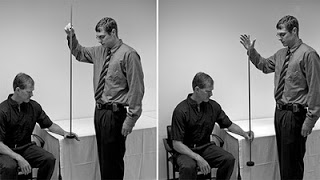
According to a story by NPR; "The test is the idea of Ian Richardson, a Michigan high-school student. The teenager devised it as a quick and simple way to test reaction time for a science fair project.  Richardson's device looks like something out of a 19th-century medical text. It's a hockey puck, with a long rod embedded in the middle. The stick is marked off in centimeter increments.  Turns out Ian Richardson's father, James, is on the faculty of the University of Michigan Medical School. He thought Ian's idea might be a pretty cool on-the-spot way to screen for concussions among athletes"

Dr. Richardson forwarded the idea to James Eckner, MD, of the University of Michigan Department of Physical Medicine and Rehabilitation in Ann Arbor.  Eckner and his colleagues developed a simple, inexpensive device to measure reaction time: a cylinder attached to a weighted disk. The examiner releases the device and the athlete catches it as soon as possible.


For the study, the researchers gave the test to 209 Division I college football, wrestling and women's soccer athletes during their preseason physicals. Then any athlete who had a concussion diagnosed by a physician during the season took the test again within three days of the concussion.

"Research has shown that reaction time is slower after a concussion -- even as long as several days after other symptoms are gone," said Eckner. "But the tests currently used to measure reaction time require computers and special software."

Eight athletes had concussions during the study. Of those, seven of the athletes had a prolonged reaction time after the concussion compared to the preseason time. Catching the object took about 15 percent longer.

"Because of its simplicity and low cost, this test may work well with youth athletes, where there is limited access to computerized testing of reaction time," Eckner said.

Source: American Academy of Neurology

See also: Lifting The Fog Of Sports Concussions and Hockey Hits Are Hurting More

Which Comes First For Athletes - Money Or Motivation?

Whether it's for money, marbles or chalk, the brains of reward-driven people keep their game faces on, helping them win at every step of the way. Surprisingly, they win most often when there is no reward.  That's the finding of neuroscientists at Washington University in St. Louis, who tested 31 randomly selected subjects with word games, some of which had monetary rewards of either 25 or 75 cents per correct answer, others of which had no money attached.

Subjects were given a short list of five words to memorize in a matter of seconds, then a 3.5-second interval or pause, then a few seconds to respond to a solitary word that either had been on the list or had not. Test performance had no consequence in some trials, but in others, a computer graded the responses, providing an opportunity to win either 25 cent or 75 cents for quick and accurate answers. Even during these periods, subjects were sometimes alerted that their performance would not be rewarded on that trial.

Prior to testing, subjects were submitted to a battery of personality tests that rated their degree of competitiveness and their sensitivity to monetary rewards.

Designed to test the hypothesis that excitement in the brains of the most monetary-reward-sensitive subjects would slacken during trials that did not pay, the study is co-authored by Koji Jimura, PhD, a post-doctoral researcher, and Todd Braver, PhD, a professor, both based in psychology in Arts & Sciences. Braver is also a member of the neuroscience program and radiology department in the university's School of Medicine.
But the researchers found a paradoxical result: the performance of the most reward-driven individuals was actually most improved -- relative to the less reward-driven -- in the trials that paid nothing, not the ones in which there was money at stake.

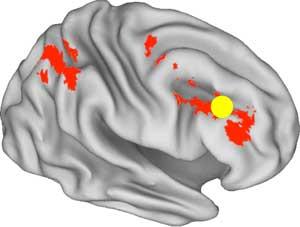
Even more striking was that the brain scans taken using functional Magnetic Resonance Imaging (fMRI) showed a change in the pattern of activity during the non-rewarded trials within the lateral prefrontal cortex (PFC), located right behind the outer corner of the eyebrow, an area that is strongly linked to intelligence, goal-driven behavior and cognitive strategies. The change in lateral PFC activity was statistically linked to the extra behavioral benefits observed in the reward-driven individuals.

The researchers suggest that this change in lateral PFC activity patterns represents a flexible shift in response to the motivational importance of the task, translating this into a superior task strategy that the researchers term "proactive cognitive control." In other words, once the rewarding motivational context is established in the brain indicating there is a goal-driven contest at hand, the brain actually rallies its neuronal troops and readies itself for the next trial, whether it's for money or not.

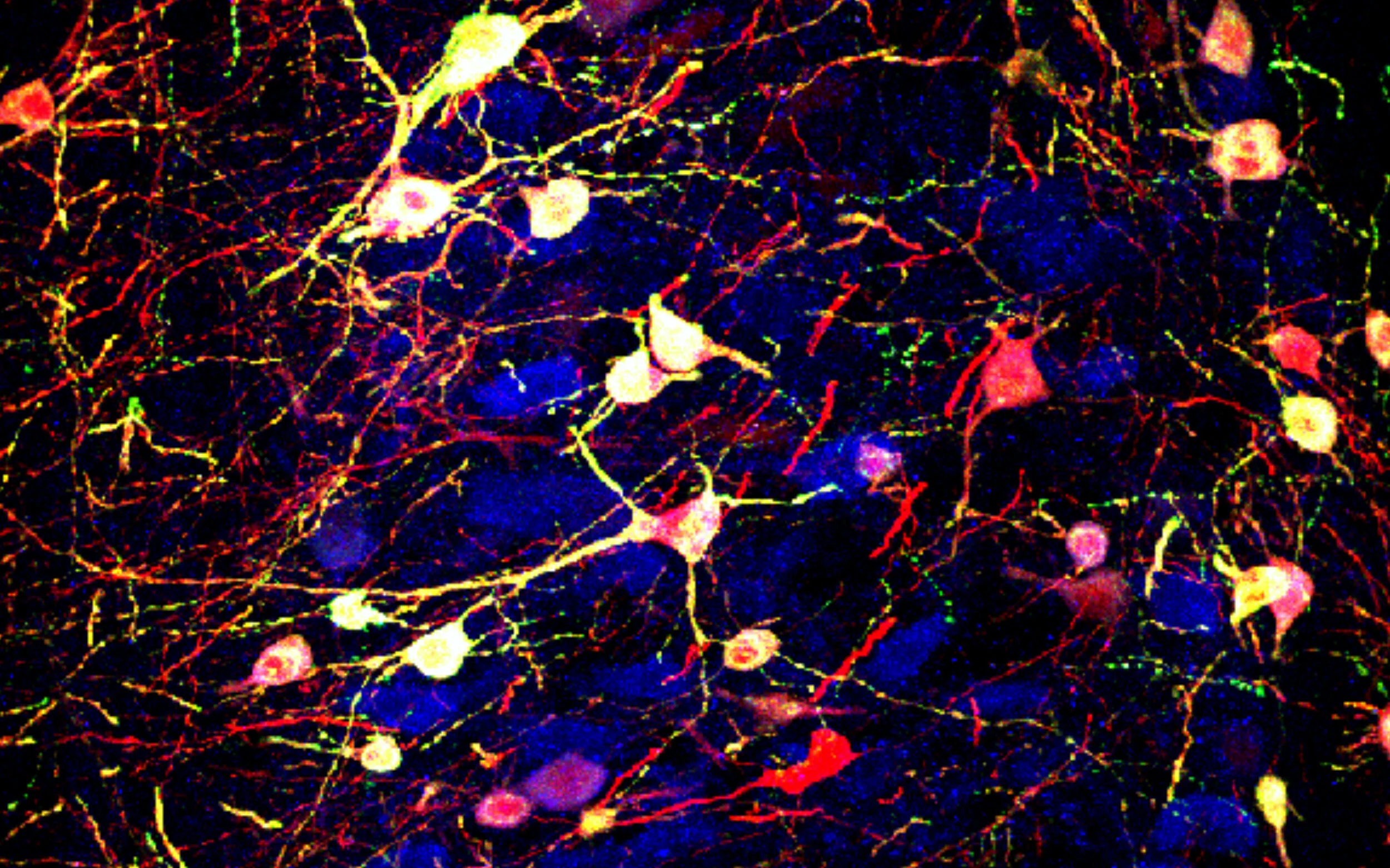
The brain's lateral prefrontal cortex (in yellow) shows heightened
and long-lasting activity in people more driven by rewards,
even when a reward is not offered. (Credit: Koji Jimura)
"It sounds reasonable now, but when I happened upon this result, I couldn't believe it because we expected the opposite results," says Jimura, first author of the paper. "I had to analyze the data thoroughly to persuade myself. The important finding of our study is that the brains of these reward- sensitive individuals do not respond to the reward information on individual trials. Instead, it shows that they have persistent motivation, even in the absence of a reward. You'd think you'd have to reward them on every trial to do well. But it seems that their brains recognized the rewarding motivational context that carried over across all the trials."

The finding sheds more light on the workings of the lateral PFC and provides potential behavioral clues about personality, motivation, goals and cognitive strategies. The research has important implications for understanding the nature of persistent motivation, how the brain creates such states, and why some people seem to be able to use motivation more effectively than others. By understanding the brain circuitry involved, it might be possible to create motivational situations that are more effective for all individuals, not just the most reward-driven ones, or to develop drug therapies for individuals that suffer from chronic motivational problems.
Their results are published April 26 in the early online edition of the Proceedings of the National Academy of Sciences.

Everyone knows of competitive people who have to win, whether in a game of HORSE, golf or the office NCAA basketball tournament pool. The findings might tell researchers something about the competitive drive.

The researchers are interested in the signaling chain that ignites the prefrontal cortex when it acts on reward-driven impulses, and they speculate that the brain chemical dopamine could be involved. That could be a potential direction of future studies. Dopamine neurons, once thought to be involved in a host of pleasurable situations, but now considered more of learning or predictive signal, might respond to cues that let the lateral PFC know that it's in for something good. This signal might help to keep information about the goals, rules or best strategies for the task active in mind to increase the chances of obtaining the desired outcome.

In the context of this study, when a 75-cent reward is available for a trial, the dopamine-releasing neurons could be sending signals to the lateral PFC that "jump start" it to do the right procedures to get a reward.
"It would be like the dopamine neurons recognize a cup of Ben and Jerry's ice cream, and tell the lateral PFC the right action strategy to get the reward -- to grab a spoon and bring the ice cream to your mouth," says Braver. "We think that the dopamine neurons fires to the cue rather than the reward itself, especially after the brain learns the relationship between the two. We'd like to explore that some more."

They also are interested in the "reward carryover state," or the proactive cognitive strategy that keeps the brain excited even in gaps, such as pauses between trials or trials without rewards. They might consider a study in which rewards are far fewer.

"It's possible we'd see more slackers with less rewards," Braver says. "That might have an effect on the reward carryover state. There are a host of interesting further questions that this work brings up which we plan to pursue."


Source: Washington University in St. Louis

See also: The Big Mo' - Momentum In Sports and Tiger's Brain Is Bigger Than Ours

Motivation Is Required For Weight Loss

Energy in, energy out, it's the basic equation to weight loss, or is it? With more than two thirds of Americans classified as overweight or obese, a new study examines how motivation might be a large contributor to sticking with weight loss programs.

Researchers at the University of Kentucky and University of North Carolina at Chapel Hill examined two types of motivation, autonomous and controlled, and their relationship to adherence and weight loss in a 16-week Internet weight-loss intervention. To measure the 2 types of motivation, a Treatment Self-Regulation Questionnaire was used to identify those participants motivated by intrinsic and extrinsic controls such as feeling that performance is the best way to help oneself and making changes for personal reasons (autonomous motivation) and those participants motivated by only external controls such as perceived pressure from others and feelings of guilt (controlled motivation).

Motivation for weight loss was measured at baseline and 4, 8, 12, and 16 weeks. In addition, study participants recorded their food intake, exercise, and body weight through an on-line self-monitoring system weekly throughout the study.

Over half of the participants (37 of 66) lost 5% of initial body weight at the 16-week follow-up. To examine the relationship between the 2 different types of motivation and weight loss, the sample was divided into those who had and those who had not lost 5% of initial body weight by 16 weeks (37 and 29 participants, respectively).

The researchers found that the majority of participants had a significant increase in autonomous and controlled motivation between baseline and 4 weeks, though it's not clear what caused the increase in motivation at 4 weeks, the face-to-face session given at the start of the study, early success with weight loss, or something else. Although motivation increased initially for most participants, the group that went on to achieve a 5% weight loss sustained their autonomous motivation between 4 and 16 weeks, while the group that was less successful experienced a significant decrease in autonomous and controlled motivation over time.

The authors also found that autonomous motivation at 4 weeks was a significant predictor of adherence to self-monitoring and weight loss. Furthermore, this increase in self-monitoring appeared to be a way in which autonomous motivation led to better weight loss. The authors found a positive correlation between weight loss at 4 weeks and higher levels of autonomous motivation especially when compared to participants who had higher levels of controlled motivation.

The study appears in the May/June 2010 issue of the Journal of Nutrition Education and Behavior.
 
Writing in the article, the authors state, "It appears that the time period between 4 and 8 weeks may be an important window for weight control programs to consider using techniques designed to enhance autonomous motivation, including giving more intense support or different types of interventions, such as activities to enhance autonomous motivation or contact from a weight-loss counselor in the form of e-mails, phone calls, or face-to-face meetings."

"It is possible that motivation measured a few weeks after the study has begun more accurately captures motivation than baseline motivation for weight loss since participants have become familiar with the behavior changes that will be necessary for weight loss and can better gauge their motivation for making those changes.  These findings suggest that building motivation may be an effective means of promoting adherence and weight loss."


Source: Elsevier Health Sciences

See also: Exercise Burns Fat During But Not After Your Workout and I Run, Therefore I Drink?

Exercise Pumps Up Your Brain

Regular exercise speeds learning and improves blood flow to the brain, according to a new study led by researchers from the University of Pittsburgh School of Medicine that is the first to examine these relationships in a non-human primate model. The findings are available in the journal Neuroscience.

While there is ample evidence of the beneficial effects of exercise on cognition in other animal models, such as the rat, it has been unclear whether the same holds true for people, said senior author Judy L. Cameron, Ph.D., a psychiatry professor at Pitt School of Medicine and a senior scientist at the Oregon National Primate Research Center at Oregon Health and Science University. Testing the hypothesis in monkeys can provide information that is more comparable to human physiology.

"We found that monkeys who exercised regularly at an intensity that would improve fitness in middle-aged people learned to do tests of cognitive function faster and had greater blood volume in the brain's motor cortex than their sedentary counterparts," Dr. Cameron said. "This suggests people who exercise are getting similar benefits."

For the study, the researchers trained adult female cynomolgus monkeys to run on a human-sized treadmill at 80 percent of their individual maximal aerobic capacity for one hour each day, five days per week, for five months. Another group of monkeys remained sedentary, meaning they sat on the immobile treadmill, for a comparable time. Half of the runners went through a three-month sedentary period after the exercise period. In all groups, half of the monkeys were middle aged (10 to 12 years old) and the others were more mature (15 to 17 years old). Initially, the middle-aged monkeys were in better shape than their older counterparts, but with exercise, all the runners became more fit.


During the fifth week of exercise training, standardized cognitive testing was initiated and then performed five days per week until week 24. In a preliminary task, the monkeys learned that by lifting a cover off a small well in the testing tray, they could have the food reward that lay within it. In a spatial delay task, a researcher placed a food reward in one of two wells and covered both wells in full view of the monkey. A screen was lowered to block the animal's view for a second, and then raised again. If the monkey displaced the correct cover, she got the treat. After reliably succeeding at this task, monkeys that correctly moved the designated one of two different objects placed over side-by-side wells got the food reward that lay within it.

"Monkeys that exercised learned to remove the well covers twice as quickly as control animals," Dr. Cameron said. "Also, they were more engaged in the tasks and made more attempts to get the rewards, but they also made more mistakes."

She noted that later in the testing period, learning rate and performance was similar among the groups, which could mean that practice at the task will eventually overshadow the impact of exercise on cognitive function.

When the researchers examined tissue samples from the brain's motor cortex, they found that mature monkeys that ran had greater vascular volume than middle-aged runners or sedentary animals. But those blood flow changes reversed in monkeys that were sedentary after exercising for five months.

"These findings indicate that aerobic exercise at the recommended levels can have meaningful, beneficial effects on the brain," Dr. Cameron said. "It supports the notion that working out is good for people in many, many ways."

Source: University of Pittsburgh Schools of the Health Sciences.

See also: Take Your Brain To The Gym and Boomer Brains Need Exercise

Military Mindfulness Training May Also Help Athletes Handle Stress

A University of Pennsylvania-led study in which training was provided to a high-stress U.S. military group preparing for deployment to Iraq has demonstrated a positive link between mindfulness training, or MT, and improvements in mood and working memory. Mindfulness is the ability to be aware and attentive of the present moment without emotional reactivity or volatility.

The study found that the more time participants spent engaging in daily mindfulness exercises the better their mood and working memory, the cognitive term for complex thought, problem solving and cognitive control of emotions. The study also suggests that sufficient MT practice may protect against functional impairments associated with high-stress challenges that require a tremendous amount of cognitive control, self-awareness, situational awareness and emotional regulation.

To study the protective effects of mindfulness training on psychological health in individuals about to experience extreme stress, cognitive neuroscientist Amishi Jha of the Department of Psychology and Center for Cognitive Neuroscience at Penn and Elizabeth A. Stanley of Georgetown University provided mindfulness training for the first time to U.S. Marines before deployment. Jha and her research team investigated working memory capacity and affective experience in individuals participating in a training program developed and delivered by Stanley, a former U.S. Army officer and security-studies professor with extensive experience in mindfulness techniques.

The program, called Mindfulness-based Mind Fitness Training (MMFT™), aims to cultivate greater psychological resilience or "mental armor" by bolstering mindfulness.

 The program covered topics of central relevance to the Marines, such as integrating skills to manage stress reactions, increase their resilience to future stressors and improve their unit's mission effectiveness. Thus, the program blended mindfulness skills training with concrete applications for the operational environment and information and skills about stress, trauma and resilience in the body.

The program emphasized integrating mindfulness exercises, like focused attention on the breath and mindful movement, into pre-deployment training. These mindfulness skills were to regulate symptoms in the body and mind following an experience of extreme stress. The importance of regularly engaging in mindfulness exercises was also emphasized.

"Our findings suggest that, just as daily physical exercise leads to physical fitness, engaging in mindfulness exercises on a regular basis may improve mind-fitness," Jha said. "Working memory is an important feature of mind-fitness. Not only does it safeguard against distraction and emotional reactivity, but it also provides a mental workspace to ensure quick-and-considered decisions and action plans. Building mind-fitness with mindfulness training may help anyone who must maintain peak performance in the face of extremely stressful circumstances, from first responders, relief workers and trauma surgeons, to professional and Olympic athletes."

Study participants included two military cohorts of 48 male participants with a mean age of 25 recruited from a detachment of Marine reservists during the high-stress pre-deployment interval and provided MT to one group of 31, leaving 17 Marines in a second group without training as a control. The MT group attended an eight-week course and logged the amount of out-of-class time they spent practicing formal exercises. The effect of the course on working memory was evaluated using the Operation Span Task, whereas the impact on positive and negative affect was evaluated using the Positive and Negative Affect Schedule, or PANAS.

The Positive Affect scale reflects the extent to which a person feels enthusiastic, active and alert. The Negative Affect scale reflects unpleasant mood states, such as anger, disgust and fear. Working memory capacity degraded and negative mood increased over time in the control group. A similar pattern was observed in those who spent little time engaging in mindfulness exercises within the MMFT group. Yet, capacity increased and negative mood decreased in those with high practice time over the eight weeks.

The study findings are in line with prior research on Mindfulness Based Stress Reduction, or MBSR, programs and suggest that MMFT may provide "psychological prophylaxis," or protection from cognitive and emotional disturbances, even among high-stress cohorts such as members of the military preparing for deployment. Given the high rate of post-traumatic stress disorder and other mental-health disturbances suffered by those returning from war, providing such training prior to deployment may buffer against potential lifelong psychological illness by bolstering working memory capacity.

In the several months prior to a deployment, service members receive intensive training on mission-critical operational skills, physical training and "stress-inoculation" training to habituate them to stressors they may experience during their impending mission. They also must psychologically prepare to leave loved ones and face potentially violent and unpredictable situations during their deployment.
Persistent and intensive demands, such as those experienced during high-stress intervals, have been shown to deplete working memory capacity and lead to cognitive failures and emotional disturbances.

The research team hypothesized that MMFT may mitigate these deleterious effects by bolstering working memory capacity.

Source:  University of Pennsylvania

See also: The Big Mo' - Momentum In Sports and Watching Sports Is Good For Your Brain

Team Building Does Not Bond

Team building activities in sport are carried out for tradition's sake and don't help players to bond, according to results of a new study presented April 16 at the British Psychological Society's Annual Conference in Stratford-Upon-Avon.

Research into initiation practices in sport by Dr Moira Lafferty, from the University of Chester, and Dr Caroline Wright, from Liverpool Hope University, reveals that there is no positive relationship between team building activities and better team cohesion.

Dr Lafferty explained: "Initiation ceremonies have often been described as "rites of passage' for new players joining sporting groups or teams. Despite attempts to eradicate inappropriate team building activities there is still evidence that they take place and are perceived to promote team cohesion."

The researchers examined the level of appropriate and inappropriate activities engaged in across a range of sports and then explored their relationship to team cohesion to discover whether differences exist between co-active sports, such as badminton, tennis and horse riding, and interactive sports such as football, rugby and cricket. The study involved surveying 100 athletes from across the country aged between 18 and 24.


The results showed little to suggest that team building activities, which can be as basic as having a meal together, helped significantly promote team unity.

"Our findings suggest that, despite there being no positive relationship to team cohesion, team building activities, both positive and negative, are still conducted," Dr Lafferty said.

"Interactive sports players are more likely to be subjected to inappropriate team building activities, which suggests that the idea of initiation may be embedded in the tradition of these teams and is seen as part of their cultures."

Source: British Psychological Society (BPS)

See also: Nobody Wants To Lose To The Underdog and Ending The Myth Of The Dumb Jock

How To Evacuate 75,000 Fans In A Hurry

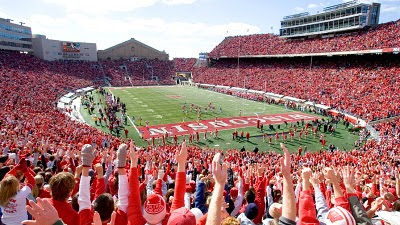
Wisconsin's Camp Randall Stadium
What sports fan hasn't grumbled while waiting in a long, snaking lines to get into the stadium for the big game? It's enough to discourage even a diehard fan. But if you think it's a hassle getting into a sold-out game, imagine trying to get out after a bomb explodes -- or even to get out under a bomb threat, for that matter.

Let's start with the emergency lights failing. If you're thinking of feeling your way out by the light of your cell phone, join the crowd -- they're right beside you, pushing fifty-across and a thousand-deep in a stampede. It's everyone for himself.

Scenes like this may sound like a trailer for a Hollywood thriller (think Black Sunday), but their grim prospect is all-too-real. Last year, the U.S. Department of Homeland Security (DHS) and the FBI jointly warned of terrorist interest in attacking crowded stadiums. Small wonder: A bomb or noxious plume released over a throng of captive sports fans would cause major-league mayhem and terror.
Mindful of the threat, stadium sentinels have been laying plans to manage and minimize the anarchy that would follow such an attack. Just how would authorities whisk 70,000 people out the gates and onto the roads quickly and safely? For an evacuation on this scale, there are no dress rehearsals or practice drills -- just simulation software.


Now, a new breed of simulation software -- dubbed SportEvac -- is being funded by the DHS Science and Technology Directorate (S&T) as part of the Southeast Region Research Initiative (SERRI), and developed and tested by the National Center for Spectator Sports Safety & Security (NCS4) at the University of Southern Mississippi.

"SportEvac isn't simply more realistic," says program manager Mike Matthews of S&T's Infrastructure and Geophysical Division. It will become a national standard."

Using blueprints from actual stadiums, the developers are creating virtual, 3D e stadiums, packed with as many as 70,000 avatars -- animated human agents programmed to respond to threats as unpredictably as humans. Security planners will be able to see how 70,000 fans would behave―and misbehave―when spooked by a security threat.

But a SportEvac avatar need not be a sports fan. The simulation includes make-believe stadium workers, first responders, even objects, such as a fire trucks or a fan's car. SportEvac tracks them all, accounting for scenarios both probable and improbable.

Simulating thousands of people and cars can impose a crushing load on software and hardware. That's why, unlike SportEvac, most evacuation software apps are unable to simulate a crowd much larger than 5,000. For a college or NFL football game, that's bush-league.

(Credit: SERRI)
Beyond scaling problems, earlier simulators did not account for the myriad variations that make human behavior hard to predict and human structures hard to simulate. How adversely, for example, would an evacuation be impaired if an audible were called -- a wet floor, a wheelchair, a stubborn aisle-seater, a fan fetching a forgotten bag, or an inebriated bleacher bum?

Conventional evacuation simulators couldn't say. SportEvac can. And like an open-source Web browser, the SportEvac software will get better and better because it's built on open, modular code. If your IT intern creates a module that can more accurately predict parking lot gridlock, just plug it in. This also means it can be customized for any sports arena.

By simulating how sports fans would behave in the minutes following an attack, SportEvac will help security experts across the country to plan and train and answer key questions, such as:
  • How can my stadium be evacuated in the shortest time?
  • How can civil emergency workers quickly get in as fans are dashing out?
  • How can our stadium guards and ushers provide valuable information to civil responders and assist them as the evacuation unfolds?
"Interoperability is also a key goal," says Lou Marciani, NCS4 Director, who serves as the S&T project's principal investigator. Stadium security officers can use SportEvac to rehearse and refine procedures with civil responders. During a real evacuation, guards might use the same radios as the civil responders. And for every usher with a smartphone, a "SportEvac Lite" application will graphically show where fans or cars are bottlenecked.

Drawing on actual architectural CAD data, the Mississippi researchers are creating 3D virtual models of seven of the state's college sports stadiums. This year, in summits and workshops, security teams from the university athletic departments will test and refine SportEvac, with help from local police, Mississippi Homeland Security agents, the Mississippi Emergency Management Agency, and security specialists from pro sports. It will then be deployed to the seven state universities. Once the schools give it the green light, S&T will make the advanced version available to other universities, pro sports venues, and amateur sports organizations.

While not quite as immersive as the recent 3-D movie Avatar, SportEvac will create a safe, virtual stadium where security teams can practice guiding fans to safety, without risking life, limb, or lawsuit.

Source: US Department of Homeland Security - Science and Technology

See also: Designing The Connected Stadium 2.0 and The Cognitive Benefits Of Being A Sports Fan

Huge Study Says Playing Soccer Is Great For Your Health

Soccer is a pleasurable team sport that provides an all-round fitness and can be used as treatment for lifestyle-related diseases. Men worry less when playing soccer than when running. Women's soccer creates we-stories and helps women stay active.

The above statements are taken from some of the results from an extensive soccer research project involving more than 50 researchers from seven countries. The researchers studied physiological, psychological and sociological aspects of recreational soccer and compared it with running. Led by Professors Peter Krustrup and Jens Bangsbo from the Department of Exercise and Sports Sciences, University of Copenhagen, the 3-year project covered several intervention studies involving both men, women and children, who were divided into soccer, running and control groups.

The results from the studies are so remarkable that the Scandinavian Journal of Medicine and Science in Sports are publishing a special edition issue entitled "Football for Health" containing 14 scientific articles from the soccer project on April 6, 2010.

Soccer for Health
The researchers studied the physical effects of soccer training for untrained subjects aged 9 to 77 years. The conclusion was clear. Soccer provides broad-spectred health and fitness effects that are at least as pronounced as for running, and in some cases even better.

Study leader Peter Krustrup concludes "Soccer is a very popular team sport that contains positive motivational and social factors that may facilitate compliance and contribute to the maintenance of a physically active lifestyle. The studies presented have demonstrated that soccer training for two-three hours per week causes significant cardiovascular, metabolic and musculoskeletal adaptations, independent on gender, age or lack of experience with soccer."

Professor Jens Bangsbo continues: "The effects can be maintained for a long period even with a reduced frequency of training to one to two times one hour a week. Recreational soccer, therefore, appears to be an effective type of training leading to performance improvements and significant beneficial effects to health, including a reduction in the risk of cardiovascular diseases, falls and fractures. In a number of aspects, soccer training appears to be superior to running training. Soccer training can also be used to treat hypertension and it was clearly superior to a standard treatment strategy of physician-guided traditional recommendations."

The two researchers foresee a great perspective in using soccer as a health promoting activity: "The studies have convincingly shown that soccer training is effective to enhance fitness and the health profile for the general population. Future studies are needed to understand what is causing the beneficial effects of football, how well football can be used to improve heart health in early childhood and how other patient groups such as those with type II diabetes or cancer can benefit from playing soccer."

Soccer creates we-stories and helps women stay active
One of the many aspects of the study was to examine the level of social capital for women gained from running and soccer. Even though both the soccer players and the runners trained in groups, there were significant differences in the way they interacted and what they considered the most important aspects of the sport they were engaging in. The runners were more focused on themselves as individuals, whereas the soccer players developed "we"-stories as they began to see themselves as a team.

From the beginning, most of the women, both soccer players and runners, thought running would be an easier form of exercise to stick to after the intervention programme was over. That turned out not to be the case:
"The most important finding was the difference in social interaction and creation of we-stories between the groups, which may impact the possibilities of long-term compliance. A year after the study, many of the soccer players continue to play soccer, some have even joined an organized soccer club. Not many from the running group have continued their training. This can very well be due to the fact that the runners focused on their health and on getting in shape, whereas the soccer players were more committed to the activity itself, including the fun and not letting down team mates," says Associate Professor Laila Ottesen.

Men worry less when playing soccer than when running
Another study examined the exertion experienced during training for untrained adults and their experience of "worries" and "flow." This study, based on 6 groups of untrained men and women, showed that all groups experienced an overall high level of flow during the intervention, which underlines that the participants felt motivated, happy and involved to the point where they forgot time and fatigue. There was no difference in the level of worry for the female soccer players and runners, but the running men seemed to worry quite a lot more than their soccer playing counterparts.

"The men that played soccer elicited lower levels of worry than during running, 2.8 vs 4.0 on a 0-6 scale, and although they are training at the same average heart rate they do not feel the exertion as strongly as during running" says Associate Professor Anne-Marie Elbe and adds: "Further research is needed to examine why men and women experience playing soccer differently but it could be that the men just have had more experience with football in earlier years than the women."

Documentation for FIFA, Michelle Obama and others
F-MARC, the research unit of FIFA, is a central partner in the project and the research provides scientific documentation for initiatives such as FIFA's newly launched "The 11 for Health" campaign that uses soccer as an educational health tool for children in order to raise awareness and improve health in African and South American communities. Also Michelle Obama's "Let's Move" project aiming at eliminating obesity in American children through diet and sports have recently promoted soccer as a favorable activity.

The research results are also used in Europe, where the research group is directly involved in implementing the results through projects focusing on adults and children, such as "The Open Soccer Club project," "The Soccer at Work project" and the "Intensity in Pupil School Sport project." Sports Confederations, Football Associations, Ministries of Culture and Health and researchers from Universities, Hospitals and Centres for Working Environment are cooperating about the implementation and scientific evaluation of those projects.


Source: University of Copenhagen

See also: Soccer Referees Biased Against Tall Players and How Nerves Affect Soccer Penalty Kicks

Is Exercise The Cure For Depression?

Exercise is a magic drug for many people with depression and anxiety disorders, and it should be more widely prescribed by mental health care providers, according to researchers who analyzed the results of numerous published studies.


"Exercise has been shown to have tremendous benefits for mental health," says Jasper Smits, director of the Anxiety Research and Treatment Program at Southern Methodist University in Dallas. "The more therapists who are trained in exercise therapy, the better off patients will be."

Smits and Michael Otto, psychology professor at Boston University, based their finding on an analysis of dozens of population-based studies, clinical studies and meta-analytic reviews related to exercise and mental health, including the authors' meta-analysis of exercise interventions for mental health and studies on reducing anxiety sensitivity with exercise. The researchers' review demonstrated the efficacy of exercise programs in reducing depression and anxiety.

The traditional treatments of cognitive behavioral therapy and pharmacotherapy don't reach everyone who needs them, says Smits, an associate professor of psychology.

"Exercise can fill the gap for people who can't receive traditional therapies because of cost or lack of access, or who don't want to because of the perceived social stigma associated with these treatments," he says. "Exercise also can supplement traditional treatments, helping patients become more focused and engaged."

The researchers presented their findings March 6 in Baltimore at the annual conference of the Anxiety Disorder Association of America. Their workshop was based on their therapist guide "Exercise for Mood and Anxiety Disorders," (Oxford University Press, September 2009).

"Individuals who exercise report fewer symptoms of anxiety and depression, and lower levels of stress and anger," Smits says. "Exercise appears to affect, like an antidepressant, particular neurotransmitter systems in the brain, and it helps patients with depression re-establish positive behaviors. For patients with anxiety disorders, exercise reduces their fears of fear and related bodily sensations such as a racing heart and rapid breathing."

After patients have passed a health assessment, Smits says, they should work up to the public health dose, which is 150 minutes a week of moderate-intensity activity or 75 minutes a week of vigorous-intensity activity. At a time when 40 percent of Americans are sedentary, he says, mental health care providers can serve as their patients' exercise guides and motivators.

"Rather than emphasize the long-term health benefits of an exercise program -- which can be difficult to sustain -- we urge providers to focus with their patients on the immediate benefits," he says. "After just 25 minutes, your mood improves, you are less stressed, you have more energy -- and you'll be motivated to exercise again tomorrow. A bad mood is no longer a barrier to exercise; it is the very reason to exercise."

Smits says health care providers who prescribe exercise also must give their patients the tools they need to succeed, such as the daily schedules, problem-solving strategies and goal-setting featured in his guide for therapists.

"Therapists can help their patients take specific, achievable steps," he says. "This isn't about working out five times a week for the next year. It's about exercising for 20 or 30 minutes and feeling better today."


Source: Southern Methodist University

See also: Exercise May Help Schizophrenia Patients and Boomer Brains Need Exercise

Cherry Juice At The Marathon Finish Line

Congratulations, you actually made it to the finish line after 26.2 miles of agony. You are exhausted and need some kind of recovery drink to pick you back up. Reach for the Gatorade? Chocolate milk? Water? No, your best bet is a big glass of tart cherry juice!

Dr Glyn Howatson, exercise physiologist and Laboratory Director in the School of Psychology and Sports Sciences at Northumbria University, examined the properties of Montmorency cherries in a study that found that athletes who drank the juice recovered faster after Marathon running than a placebo controlled group.

In the investigation, 20 marathon runners drank either a tart cherry blend juice or a placebo drink twice a day for five days before taking part in the London Marathon and for two days afterwards.

The findings indicated that the group who drank the cherry juice recovered their strength more rapidly than the control group over the 48-hour period following the marathon. Inflammation was also reduced in the cherry juice group, as was oxidative stress, a potentially damaging response that can be caused by strenuous physical activity, particularly long distance endurance exercise.

The study, which was run in collaboration with PhD student Jess Hill of St Mary's University College, concluded that cherry juice appears to aid recovery following strenuous exercise by increasing total antioxidative capacity, reducing inflammation and oxidative stress, hence aiding in the recovery of muscle function.

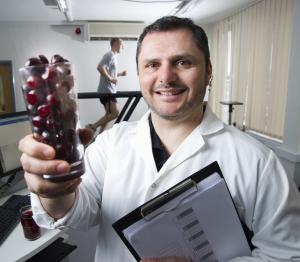
Dr Glyn Howatson(Credit: Image courtesy of Northumbria University)
Dr Howatson said: "Participating in long-distance endurance events, such as the London Marathon, causes a degree of muscle damage and inflammation for the runners. It takes several days to recover and during that period the runner's ability to conduct physical activity can be vastly inhibited.

"The phytochemicals, in particular, anthocyanins found in Montmorency cherries have anti-inflammatory and antioxidating properties, which the research has shown to be effective in helping exercisers to recover from strenuous physical activity."

Although it remains to be examined, Dr Howatson believes that the findings will not only benefit marathon runners but could also have serious implications in the treatment of people living with inflammatory diseases, such as arthritis.

He said: "If funding can be secured to embark on a further study, we can determine whether the use of tart cherry juice has implications for the management of some clinical pathologies that display high levels of inflammation and oxidative stress, such as rheumatoid arthritis and fibromyalgia.

"People are increasingly looking at natural remedies, or neutraceuticals, to treat their conditions, and scientific studies, such as the research into tart cherries, examine the potentially untapped treatments held in natural resources, that can provide adjunct therapy for the management of disease, which can help reduce negative symptoms and improve quality of life."

See also: Barefoot Is Better and Running Addicts Need Their Fix

Source:  Northumbria University and Howatson et al. Influence of tart cherry juice on indices of recovery following marathon running. Scandinavian Journal of Medicine and Science in Sports, 2009; DOI: 10.1111/j.1600-0838.2009.01005.x

Math Professor Picks 2010 MLB Division Winners

Miller Park
With Spring Training almost over and Opening Day next week, Bruce Bukiet, an associate professor at the New Jersey Institute of Technology (NJIT), has once again applied mathematical analysis to compute the number of games that Major League Baseball teams should win in 2010.

The Philadelphia Phillies, St. Louis Cardinals and Los Angeles Dodgers should all repeat as winners in their divisions, while the Atlanta Braves will take the wild card slot in the National League (NL), says Bukiet.

In the American League (AL), the New York Yankees should blow away the competition, winning in the East, while the Minnesota Twins repeat as winners of the Central Division. The AL West is too close to call with all four teams within 5 wins and the Texas Rangers, Oakland A's and Los Angeles Angels expected to win 82, 81 and 80 games respectively. The Tampa Bay Rays and Boston Red Sox will have a close contest for the AL wild card slot.

Bukiet, an associate professor of mathematical sciences and associate dean of the College of Science and Liberal Arts at NJIT, bases his predictions on a mathematical model he developed in 2000. For this season, he incorporated a more realistic runner advancement model into the algorithm.

 "I publish these numbers to promote the power and relevance of math," he says. "We've long had a problem convincing US youngsters to embrace mathematics in school. Studying how math applies to baseball demonstrates not only that math can be fun, but how it is really a part of things people care about."

Bruce Bukiet
Courtesy: NJIT
The contest for primacy in the NL East should be tight with the Phillies (90 wins) defeating the Braves by just two games (88 wins). In the West, the Los Angeles Dodgers (88 wins) should finish 3 games above the Arizona Diamondbacks. In the Central Division, the St. Louis Cardinals appear poised to achieve the best record in the NL with 91 wins, 5 more than the second-place Chicago Cubs.

The Yankees should dominate the AL with players capable of winning 103 games, defeating the Tampa Bay Rays by 10 and the Boston Red Sox by 11. Tampa Bay or Boston should end up as the wild card team. In the Central Division, the Minnesota Twins (92 wins) should repeat as division winners but rather than needing to win a one- game playoff as they did in 2009, this year they should handily defeat the Chicago White Sox by 7 games. Instead of the Angels winning the AL West as they did by 10 games last year, in 2010 we should get ready for a tight race among very average teams. The Texas Rangers should win 82 games, just one above .500, while the Oakland A's win 81 and the Los Angeles Angels win 80. The Seattle Mariners should come in last in that division just 5 games out.

While Bukiet's favorite team, the New York Mets, should come in third in the NL East, Bukiet notes that the 82 wins he expects is a solid improvement over the 70 they won in their injury-plagued 2009 season. "At least in 2009, the Mets put their fans out of their misery early on, rather than in the season's last weekend as they did in 2007 and 2008," he says.

The Pittsburgh Pirates should repeat as the worst NL team with 66 wins, while the Cleveland Indians should win 67 for the most futile effort in the AL.

His expected wins for the AL are as follows:

* AL East: Yankees -- 103; Rays -- 93; Red Sox -- 92; Orioles -- 71; Blue Jays -- 70.
* AL Central: Twins -- 92; White Sox -- 85; Tigers -- 74; Royals -- 72; Indians -- 67.
* AL West: Rangers -- 82; A's -- 81; Angels -- 80; Mariners -- 77.

For the NL, he projects as follows:

* NL East: Phillies -- 90; Braves -- 88; Mets -- 82; Marlins -- 76; Nationals -- 72;
* NL Central: Cards -- 91; Cubs -- 86; Brewers -- 78; Reds -- 74; Astros -- 73; Pirates -- 66.
* NL West: Dodgers -- 88; Diamondbacks -- 85; Rockies -- 84; Giants -- 80; Padres -- 77.

"These results are merely a guide as to how teams ought to perform. There are many unknowns, especially trades, injuries and how rookies will perform," said Bukiet. He will post an updated prediction toward the end of spring training, when there is a better idea of which specific players should be playing regularly on each team. Check his website: http://m.njit.edu/~bukiet/baseball/2010_season_predictions.htm

Operations Research published Bukiet's mathematical model on which his predictions are based. His model computes the probability of a team winning a game against another team with given hitters, bench, starting pitcher, relievers and home field advantage. Bukiet has appeared on CNN Headline News, the Jerusalem Post and Fox Radio's Roger Hedgecock Show, KOGO, San Diego and others.

Bukiet, an avid Mets fan, has used this mathematical model to determine whether it is worthwhile to wager on games during the baseball season. His picks are posted (for academic purposes only) on his website (www.egrandslam.com). These picks have produced positive results overall, and for six of the nine years he has posted them.

Source: New Jersey Institute of Technology

See also: Atomic Physicist Proposes Winning Formula For Baseball Success and The Cognitive Benefits Of Being A Sports Fan

Bad Air Affects Women More Than Men In Marathons

Poor air quality apparently affects the running times of women in marathons, according to a study by Virginia Tech civil and environmental engineer Linsey Marr.  Her findings come from a comprehensive study that evaluated marathon race results, weather data, and air pollutant concentrations in seven marathons over a period of eight to 28 years.

The top three male and female finishing times were compared with the course record and contrasted with air pollutant levels, taking high temperatures that were detrimental to performance into consideration.

Higher levels of particles in the air were associated with slower running times for women, while men were not significantly affected, Marr said. The difference may be due to the smaller size of women's tracheas, which makes it easier for certain particles to deposit there and possibly to cause irritation
"Although pollution levels in these marathons rarely exceeded national standards for air quality, performance was still affected," Marr said.

Her work, done in collaboration with Matthew Ely, an exercise physiologist at the U.S. Army Research Institute of Environmental Medicine, appears in the official journal of the American College of Sports Medicine, Medicine and Science in Sports & Exercise.

Her studies were conducted where major U.S. marathons are located, such as New York, Boston, and Los Angeles, where pollution tends to be highest. Although the person might not be significantly impacted by low-yet-still-acceptable air quality, marathoners are atypical because of their breathing patterns, she said.

"Previous research has shown that during a race, marathon runners inhale and exhale about the same volume of air as a sedentary person would over the course of two full days," Marr said. "Therefore, runners are exposed to much greater amounts of pollutants than under typical breathing conditions."
Particulate matter appeared to be the only performance-altering factor in air quality, with carbon monoxide, ozone, nitrogen dioxide and sulfur dioxide levels not impacting race times.


Source: Virginia Tech and Marr, Linsey C.; Ely, Matthew R. Effect of Air Pollution on Marathon Running Performance :. Medicine & Science in Sports & Exercise, 2010; 42 (3): 585 DOI: 10.1249/MSS.0b013e3181b84a85

See also: Barefoot Is Better and Running Addicts Need Their Fix

Smart Professors' Advice: Don't Pick Upsets In Your NCAA Basketball Brackets

Its Tournament time and your NCAA brackets may be a mess after the first two rounds. You knew you should have picked upsets, but which ones?  Well, it turns out it doesn't matter... the odds are still against you picking the right underdog.

New research from Indiana University and the University of Wyoming has found that strategists, regardless of their sports expertise, would be better off sticking with the numbers -- but what's the fun in that? Bettors often think picking the upsets will give them an edge, and that they know how to pick them.

"Picking the lower seed is a good strategy, but people think, 'I can't win by doing that because everyone else is doing this,'" said Ed Hirt, professor in IU Bloomington's Department of Psychological and Brain Sciences. "The upsets people pick are no better than chance. People have this idea that they know how many upsets will occur, but can they predict the ones that will occur? They pick upsets but not the right ones and end up sabotaging their efforts."

Hirt's study, co-authored by Sean M. McCrea, University of Wyoming, was published in the "Journal of Applied Social Psychology." McCrea said they were surprised by how little expertise or favoring an underdog really explained people's tournament predictions.

"Instead, it seems that people who follow basketball are aware of the possibility of upsets and fool themselves into believing that they can figure out which upsets will happen," he said. "The problem is that the tournament seedings summarize most of the useful information one could use (win-loss record, strength of schedule, etc. ) and so the upsets are much less predictable than one might think."

Wisconsin's Bo Ryan
realizing he should have
picked Cornell

Other studies have shown that making NCAA bracket predictions based on rankings from other experts, such as sportswriter polls or gambling bookies, are no more successful than choosing the lower seeds. Hirt and McCrea sought to examine whether bettors used probability matching to pick upsets, if this approach was more successful than picking winning teams based on seeding, and whether people use probability matching because they viewed basketball as a skilled, non-random activity that could be predicted -- essentially, thinking they just know better.

Probability matching describes a scenario where individuals predict a specific outcome based on an existing rate of occurrence. For example, in the first round of the NCAA tournament, prognosticators often expect an upset in the contests between No. 5 and No. 12 seeds, so bettors often attempt to pick which of the four games involving a 5-12 matchup will see the upset.

Hirt and McCrea examined bracket strategies as a way to study this common decision-making behavior, which frequently is seen when individuals make predictions or judgments in areas involving skill, such as hiring decisions, outcomes of races or predicting stock prices. Hirt says this behavior relies on a confidence that an individual's insight can trump variability or discern patterns in randomness.

For the study, they examined NCAA tournament results from 1985-2005 and the first-round predictions of more than 3 million entries in an ESPN Tournament Challenge. They also designed a series of studies involving varying degrees of perceived randomness.

Their study provides one of the first demonstrations that probability matching is used more frequently for predictions of social behavior than for predictions of random events.

"We want to deny the fact that there's variability, that there are bad days," Hirt said. "We want to think we can predict these things. It's human nature to think that things aren't random, serendipitous, that we should be able to predict what someone will do or outcomes of situations that we care about."

Source:Indiana University and Match Madness: Probability Matching in Prediction of the NCAA Basketball Tournament1 : MATCH MADNESS. Journal of Applied Social Psychology

See also: Inside The BCS Computer Ranking Black Box and Sports Fans Have Selective Memories