
NASCAR Fans Drive Faster

If you plan on watching your favorite NASCAR driver this weekend, you may want to have your designated driver take you home. Not only should he be sober, but he also should have no interest in motor sports.

According to Australian researchers, being a race fan makes you more likely to not only speed in your own car but also to see little wrong with it.

Several factors have been found to influence a driver's attitude towards speeding and aggressive driving, including age, gender and what psychologists call "sensation seeking propensity." This thrill-seeking behavior may also be a result of a driver's environment.

Paul Tranter and James Warn of the University of New South Wales wanted to see if following professional motor sports as a fan added to the need to be fast and furious.

Specifically, they considered whether social cognitive theory, made famous by American psychologist Albert Bandura, explained a fan's need to imitate their favorite drivers by pushing the limits on public roads.

In 2004, with illegal street racing becoming a problem on the streets of Sydney and Melbourne, Tranter and Warn focused on young drivers. In a survey of 180 males between the ages of 15 and 24, they measured interest in organized motor sports against attitudes towards safe driving and obeying traffic laws. Each driver's own violation history was also considered.

Results showed an interest in organized racing had a direct effect on not only involvement in illegal racing but also higher violations and riskier attitudes towards traffic laws. Maybe young fans figured that if Danica Patrick can maneuver a 650 horsepower beast around an oval track for a few hours, they should be able push their modified Civic to 100 mph.

Even though the researchers were careful to control for the sensation-seeking personality variable in their survey population, they still wanted to expand their study to older race fans to see if the same relationship held.

In their latest study, published in the journal Accident Analysis and Prevention, Tranter and Warn looked only at drivers 25 and older with at least 2 years driving experience. Insurance companies consider this age group a much safer population. A similar survey was distributed to residents of a small NSW town and asked for three things: their level of interest in motor sports; their attitudes toward speeding and traffic laws; and their own self-reported negative driving habits.

The strongest correlation in this group was between an interest in racing and a pro-speeding attitude. So, even among the safer, older group of fans, an intentional lead foot existed.

So, should we put restrictor plates on all cars? No, say Tranter and Warn, but maybe a more visible safety PR campaign to the masses may help.

"There remains a need to get the message out to the driving community that speed is linked to accidents, and that attitudes that condone speeding are a road safety problem," Tranter writes. He adds that another idea would be to shift a young driver's need for risk taking to other sports, (like downhill skiing or mountain biking) that have a more positive "thrill to bad outcome" ratio.

Then again, Tranter comments that the attraction expressed to him by street racers may just be, "'chicks and fast cars,' rather than a desire to engage in illegal activity."

Please visit my other sports science articles at Livescience.com.

For Kids' Health, Just Let Them Play

As usual, your Mom was right. When she told you to get outside and play, she instinctively knew that would be good for you.

Health science researchers at the University of Exeter have found that kids' natural short bursts of play energy contribute just as much to a healthy lifestyle as longer bouts of organized exercise, such as gym class.
As of 2008, 32 percent of U.S. children were overweight or obese, as measured by their body mass index. While many organized programs have studied this epidemic, the prescription remains the same: less food, more exercise.

In fact, a previous health science study of 133 children found that the physical activity of the obese children over a three-week period was 35 prcent less during school days and 65 percent less on weekends compared to the children who were within accepted healthy weight norms.

In the new study, Michelle Stone and Roger Eston of Exeter's School of Sport and Health Sciences measured the activity level of 47 boys aged between 8 and 10 over seven days using an accelerometer strapped to each boy's hip (similar to the one inside your iPhone or Wii controller that senses motion).
The key was to find a model that would record the shortest bursts of energy, sometimes less than 2 seconds. As any boy's parents know, those spurts can happen all afternoon, whether it be chasing the dog, throwing rocks in the lake or climbing a tree.

The researchers also measured waist circumference, aerobic fitness and blood pressure of each boy. They found that even though their activity levels came in many short chunks, their health indicators were all in the normal range.

Stone explains their conclusion, "Our study suggests that physical activity is associated with health, irrespective of whether it is accumulated in short bursts or long bouts. Previous research has shown that children are more naturally inclined to engage in short bursts of running, jumping and playing with a ball, and do not tend to sustain bouts of exercise lasting five or more minutes. This is especially true for activities that are more vigorous in nature.

Their findings are in the April edition of the International Journal of Pediatric Obesity.

The researchers admit that more research is needed to measure long-term effects on health.  Establishing activity guidelines for parents and schools will help the kids plan time to move each day.

The National Football League has even started a program called NFL Play 60 that encourages kids to move for at least 60 minutes each day.  "Our players know the importance of staying healthy and it’s important that young fans also understand the value of exercise," said NFL Commissioner Roger Goodell. "Play 60 is an important tool in ensuring children get their necessary daily physical activity as recommended by health and fitness experts."

So, more recess and less physical education in our schools? Maybe, according to Stone, "If future research backs up our findings, we would do better to encourage young children to do what they do naturally, rather than trying to enforce long exercise sessions on them. This could be a useful way of improving enjoyment and sustainability of healthy physical activity levels in childhood."

Please visit my other sports science articles at Livescience.com

Your Heart Can Warn You Of Future Attacks

Many people exercise to improve the health of their hearts. Now, researchers have found a link between your heart rate just before and during exercise and your chances of a future heart attack.
Just the thought of exercise raises your heart rate. The new study shows that how much it goes up is related to the odds of you eventually dying of a heart attack.

More than 300,000 people die each year from sudden cardiac arrest in the U.S., often with no known risk factors. Being able to find early warning signs has been the goal of researchers like Professor Xavier Jouven, of the Hopital Européen Georges Pompidou in Paris.

Jouven's team has been examining data from a study of 7,746 French men employed by the Paris Civil Service and given health examinations between 1967-1972, including exercise tests, electrocardiograms and heart rate measurements. Over an average 23-year follow-up, 83 eventually died of heart attacks, also known as sudden cardiac death (SCD).

In 2005, Jouven's team first showed that how a heart behaves before, during and after exercise could predict future problems. The risk of a future heart attack was about four times higher than normal in men whose resting hearts beat faster than 75 beats per minute (bpm) or did not speed up by more than 89 beats during exercise. Likewise, heart attacks were twice as likely in men whose heart rates didn't slow down more than 25 beats in the first minute after exercise stopped.

Just a thought
In the latest study, published last week in the European Heart Journal, the French researchers found another interesting clue in the same data set. Not only was the resting heart rate of each person taken, but also another reading right before they were to start a strenuous exercise bike test. This rate is affected by what they called "mild mental stress." It measures the body's physiological anticipation of exercise.

Think of this type of stress as the brain's warning to the body that some difficult, sweaty work is about to begin. It is normal for this rate to be slightly higher than the resting rate, but for some it is significantly higher.

The men who had the highest increase in heart rate during this period (increasing by more than 12 beats a minute) had twice the risk of eventual future sudden cardiac death compared to men who had the lowest increase in heart rate (an increase of less than four beats a minute).

So, the high-risk heart overreacts to the anticipation of exercise, and then does not respond to the full extent needed during exercise. Afterwards, it does not regulate itself down fast enough.

What's going on
Jouven hypothesized that the autonomic nervous system (ANS), the body's internal control governor, must be out of whack.

The ANS has two parts, the sympathetic and the parasympathetic. Joeven suggests we think of the sympathetic system as the accelerator that turns up our response to exercise by increasing our heart rate. Putting the brakes on this acceleration are the vagus nerves, part of the parasympathetic system, preventing our heart from running out of control.

"There is a balance between the accelerator (sympathetic activation) and the brake (vagus nerve activation)," Jouven explains. "During an ischemic episode, when blood flow to the heart is reduced, sympathetic activation occurs to counteract it. However, if there is no protection by the vagal tone (the brake), the activation can become uncontrolled and then it becomes dangerous."

Finding this connection between heart rate and future heart problems is encouraging for future research, according to Jouven.

"These findings may carry significant clinical implications," he said. "Few measurements in medicine are as inexpensive and as easy to obtain in large general populations as to measure the heart rate difference between resting and being ready to perform an exercise test. The results will contribute towards a better understanding of the mechanisms of cardiac death."

Please visit my other sports science articles at Livescience.com.

Thoroughbred Horse Injuries Rise But Race Times Stay Flat

Imagine trying to walk on all fours using just your big toes and your middle fingers. That is similar to what modern thoroughbred racehorses endure when racing around a track at up to 30 mph.

This weekend's Belmont Stakes will be missing one of this year's stars, Rachel Alexandra, on the precaution that she needs to rest.  Just before last month's Kentucky Derby, three top contenders, Quality Road, I Want Revenge and Square Eddie were forced out of the race due to hoof and shin injuries.

Critics claim selective breeding may be producing an unstable horse anatomy that is prone to injury. Yet, a recent study claims that it all may be for naught, as thoroughbreds may have already reached their theoretical upper limits of speed.

Running on their toes
One of out ten thoroughbreds will suffer from some orthopedic problem, including fractures, which often lead to decisions to destroy them. In the United States, for every 1,000 horses starting a race, there will be 1.5 career-ending injuries, which is almost two per day.

By breeding for speed and power, the bulk of the horse increases while the ankles and lower legs do not,according to some veterinarians.

"Anatomically speaking, they run on their toes," said Lawrence R. Soma, professor at the University of Pennsylvania School of Veterinary Medicine. "That makes them very fragile."

The pounds per square inch load that is put on their hoofs would be similar to humans walking on their middle fingers, experts say. One misstep on a soft patch of the turf can cause a break.

So they're faster, right?
Given the large sums of money spent on breeding champion racehorses and the potential health side effects, is it worth it? Are the race times getting faster thanks to these selective genetic performance filters?  The answer is no, according to Mark Denny, Professor of Biology at Stanford University.

In a recent study published in the Journal of Experimental Biology, Denny analyzed the race time records for the three U.S. Triple Crown races; the Kentucky Derby, the Preakness Stakes, and the Belmont Stakes. The plateau for similar times for the Kentucky Derby began in 1949, while the Preakness and the Belmont set their plateaus in 1971 and 1973, respectively, Denny found.

"Evidence from the Triple Crown races suggests that the process of selective breeding of thoroughbreds (as practiced in the US) is incapable of producing a substantially faster horse," Denny writes. "Despite the efforts of the breeders, speeds are not increasing, and current attempts to breed faster horses may instead be producing horses that are more fragile."

The solution
Denny also tried to predict the fastest possible time for these horses. Using statistical modeling, he found that the maximum speed of a thoroughbred would be only 0.5 to 1 percent faster than seen today.

"These results suggest that definite speed limits do indeed exist for horses and that their current speeds are very close to these predicted limits," Denny said.

One reason for the limit may be the gene pool. Today's thoroughbreds descend from a lineage of only 12-29 ancestors, with 95 percent of today's thoroughbreds tracing their paternal roots to a single stallion, The Darley Arabian.

Denny suggests that breeding from outside this line might produce the potential for improvement.

Please visit my other sports science articles at Livescience.com.
NFL Scouting Combine Not A Good Predictor of Draft Pick Success

Every April, general managers and head coaches fear that their NFL Draft selection of "can't miss" college players may end up being added to the long list of past multi-million dollar draft mistakes.
So, for last month's NFL Draft, they hope they found the right matrix of information that will reveal those players with true NFL potential. One set of criteria that seems to get more media attention every year is the scouting combine, a collection of physical and mental tests given to about 300 invited prospects.

However, university researchers have now shown the tests are not good predictors of success in the NFL.

According to ESPN, of the top 10 player selections in the last five drafts (50 players total), eight have been released or traded at least once and five are completely out of the league.

Teams are becoming less willing to gamble millions of dollars on a player who has not played a single snap in the league.

The combine event, held in Indianapolis each February, was meant to provide some common denominators to compare players. Physical tests such as the 40-yard dash, shuttle and agility runs, bench press, and the vertical jump are combined with the Wonderlic Personnel Test (WPT), a 50-question general intelligence test, to paint a profile of a player beyond his on-field resume.

Of course, teams should evaluate the whole package of game film, interviews and position-specific drills, but the combine data seems to be growing in influence. A player's stock seems to rise and fall with their performance at Indianapolis.

In fact, a 2003 Arizona State University study showed that performance at the combine was directly related to draft order, which might indicate that teams rely on these tests more than they admit.

Specific combine tests also seem to make a difference in getting drafted. Last year, University of North Carolina researchers found that there were significant performance differences between drafted and non-drafted skill players in the 40-yeard dash, the shuttle runs and the vertical jump, while drafted linemen performed better in the 40-yard dash and bench press.

But in a new study, Frank Kuzmits and Arthur Adams, professors at the University of Louisville, evaluated more than 300 quarterbacks, running backs and wide receivers drafted over six seasons from 1999-2004.

They compared the players' combine performance on seven physical tests and the WPT with measures of success in the NFL. These three skill positions were chosen as they have distinct performance statistics that can be tracked (as opposed to linemen or defensive players.)

Each position used the success metrics of draft order, salaries for years 1-3 and games played for years 1-3. In addition, QB rating, yards per carry and yards per reception were measured for quarterbacks, running backs and wide receivers, respectively.

No significant link was found between combine performance and NFL success, except between 40-yard dash times and running backs. Interestingly, even the Wonderlic aptitude test did not predict NFL achievement, even though a skill position like quarterback requires a decent amount of cognitive talent. That's not to say other psychological tests would be worthless. Kuzmits and Adams cite other studies that show a player's level of self-confidence and anxiety management to be strong clues to their future accomplishments.

Of course, not all draft picks are surrounded by great teammates and some don't even get out on the field during those first few seasons. But this research showed that good or bad performance in the combine is not related to good or bad performance on the field. So, the researchers question the value of these combine tests as a draft decision support tool.

They do see a similarity between NFL teams choosing players and companies choosing employees.
"Contemporary human resource techniques could be applied to any hiring decision, including the NFL hiring process," Kuzmits told LiveScience. "Basically, teams could develop a regression equation with various success predictors weighted (college success, combine tests and interviews, awards, psychological profile, etc.). It could be done but in the end 'art' would probably trump 'science.'"

Please visit my other sports science articles on Livescience.com

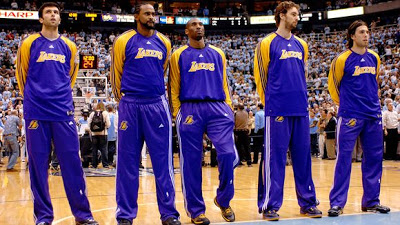
NBA Teams Win With Ethnic Diversity

When the National Basketball Association Conference Finals tip off later this week, four teams will test their level of cooperation, unselfishness and teamwork. One issue that apparently will not get in their way is diversity.

Two new studies have shown that an NBA team's level of racial or ethnic diversity does not have any significant impact on its winning percentage or its players' split-second decision making on the court. These reassuring findings on player unity contrast with a 2007 report showing same-race bias among NBA referees when making foul calls.

The demographics of the NBA have changed dramatically over the last 40 years. African-Americans make up about 76 percent of the league's players, while Latinos and Asians account for three and one percent, respectively. According to the NBA, 77 international players from 32 countries contributed just over 17 percent to team rosters. There are not only potential ethnic and cultural barriers, but also language differences that may impact a team's chemistry.

For any organization, results matter. However, few groups of co-workers have their teamwork watched, measured and analyzed to the extent of an NBA team.

Diversity measured 
Paul Sommers and Jessica Weiss of Middlebury College wanted to see if the level of an NBA team's diversity affected its ability to win. For the last three complete NBA seasons (through 2007-08), players who had at least 800 minutes of court time were divided into one of five racial or demographic groups; African-Americans, Caucasians, East Europeans, Asians, and other foreign-born players who did not play either high school or college basketball in the United States. Using the Herfindahl-Hirschman index (HHI) to measure diversity, a number was assigned to each team for each season. An index of 1.0 would indicate a completely homogeneous team, while more diverse teams would score lower (between 0 and 1).
When the HHI was regressed against each team's regular season winning percentage, no significant correlation was found. In other words, a team's diversity did not help or hurt their success on the court. As supporting evidence, the last three NBA champions, the Boston Celtics (2007-08), the San Antonio Spurs (2006-07), and the Miami Heat (2005-06), had dramatically different HHIs of 1.0, .360, and .781, respectively.

What about that language barrier? If communications suffered, then there should be passing mixups and team turnovers should rise. To find out, Sommers and Weiss divided the teams into two groups, more diverse and less diverse at the median HHI for the league. Over the three seasons, there was no significant difference in total turnovers between the two groups.

The findings were detailed in last month's Atlantic Economic Journal.

Carrying that on-court cooperation theme even further, Brigham Young researchers searched for same-race bias in NBA players when passing to their teammates. To put it bluntly, would a white player subconsciously prefer to pass to another white player if given a choice and, conversely, a black player to a black player? In an exhaustive study, Joseph Price, Lars John Lefgren and Henry Tappen dug into six seasons of NBA data to look at every assisted basket and recorded the race (noted simply as "black" or "not black") of the passer and the scorer. They also noted the other three players on the floor when the basket was made. Of course, there were numerous decision variables that the researchers had to eliminate to isolate just racial preference.

The conclusion: No same-race bias was found in the passing patterns of NBA players.  Study details are available from the Social Science Research Network as part of their working paper series.

Referees don't play fair
Joseph Price is known for his controversial paper in 2007 that concluded there is significant same-race bias shown by NBA referees. In that study, more than 600,000 officiating calls over 13 seasons were analyzed to see if white referees would call fewer fouls on white players than black players and vice versa (black referees whistling black players).

They concluded that the difference was "large enough that the probability of a team winning is noticeably affected by the racial composition of the refereeing crew assigned to the game.”

In fact, their data showed that players earned up to 4 percent fewer fouls and scored up to 2.5 percent more points on nights in which their race matches that of the refereeing crew. From a team perspective, the bias factor may change the outcome of two games out of an 82 game season. For some teams, that may be the difference that keeps them out of the playoffs.

Please visit my other sports science articles at Livescience.com

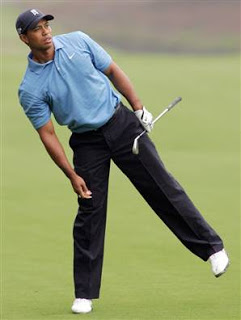
Tiger's Brain Is Bigger Than Ours

As Tiger Woods heads to Sawgrass for The Players Championship this weekend, mortal golfers wonder what's inside his head that keeps him winning. Well, chances are his brain actually has more gray matter than the average weekend duffer.

Researchers at the University of Zurich have found that expert golfers have a higher volume of the gray-colored, closely packed neuron cell bodies that are known to be involved with muscle control. The good news is that, like Tiger, golfers who start young and commit to years of practice can also grow their brains while their handicaps shrink.

Executing a good golf swing consistently is one of the hardest sport skills to master. Coordinating all of the moving body parts with the right timing requires a brain that has learned from many trial and error repetitions.

In fact, past studies have shown that the number of hours spent practicing is directly related to a golfer's handicap (a calculated number that represents recent playing ability).

Magic number
K. Anders Ericsson, a Florida State professor and the "expert on experts," has spent more than 25 years studying what it takes to become elite in any field, including sports.

The magic number that keeps recurring in Ericsson's studies is 10,000 hours of deliberate practice. If someone is willing to dedicate this amount of structured time on any skill, he has the potential to rise to the top.

Some critics argue that practice is good, but we all start with different levels of innate abilities that put some at an early advantage (i.e. the boy who is six feet tall in fourth grade) While that may be true, Ericsson does not want the rest of us to use that as an excuse. "The traditional assumption is that people come into a professional domain, have similar experiences, and the only thing that's different is their innate abilities," he said in an interview with Fast Company. "There's little evidence to support this. With the exception of some sports, no characteristic of the brain or body constrains an individual from reaching an expert level."

So, what happens to the brain after all of that practice?

In the new study, a team led by neuropsychologist Lutz Jäncke compared the brain images of 40 men divided into four groups based on their experience as golfers. They recruited ten professional golfers (with handicaps of 0), ten advanced golfers (handicaps between 1 and 14), ten average golfers (handicaps between 15 and 36) and ten volunteers who had never played golf (not even mini-golf!).
Interviews revealed the "practice makes perfect" correlation between hours of practice and lower handicaps.

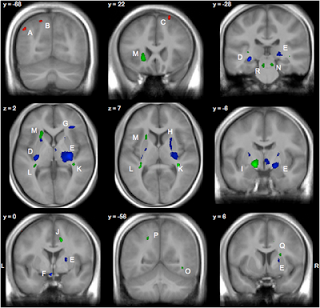
Brain scans (functional Magnetic Resonance Imaging (fMRI) showed that, indeed, there were structural differences, but not in the linear pattern they imagined. While significant differences existed in total volume of gray matter between the pros and the non-players, there was little difference between the pro and the advanced groups or between the average and non-players groups.

When the researchers combined the pros and the advanced golfers into one group called "expert," and the average and non-players into a second group called "novice," a clear dividing line emerged, showing that practice produces a noticeable step up in the brain's gray matter. This jump comes somewhere between 800-3,000 practice hours.

The results were detailed last month in the online journal PLoS ONE.

Step 1: Grow the brain
Another interesting twist is that the pros reported practicing five to eight times more than the advanced group, while the advanced group practiced only twice as much as the average group.

Yet the big jump in gray matter came after golfers achieved a skill level below a 15 handicap, moving from average to advanced. This is consistent with another study in 2008 that measured gray matter volume in students learning to juggle three balls. After learning to juggle for the first time, their gray matter increased. However, once that initial concept was learned, more advanced juggling tricks did not grow more brain cells.

It's been a long time since Tiger's handicap was 15, so clearly the additional years of practice were necessary to reach the top.  And, all of that gray has produced a lot of green.

Please visit my other sports science stories at LiveScience.com

Catching Fly Balls Is A Lot Like Rocket Science

Every Little League outfielder knows the feeling.

With the crack of the bat, you see the ball jump into the air. You take a few quick steps forward. Then, as you watch the ball continue to rise faster, you feel your stomach sink knowing that this one is going over your head. What went wrong?

How our eyes, brains, arms and legs combine to track and catch a fly ball has stumped scientists for more than 40 years.

A new study supports the original theory of it all while offering some practical tips.

By watching fielders shag pop flies, researchers have noticed a few interesting quirks. First, great ballplayers will not sprint to the exact spot on the field where they think the ball will land and then wait for it. Rather, they usually adjust their speed to arrive at the landing spot just as the ball arrives.

In fact, a previous study asked fielders to stand still in the outfield and predict where a fly ball will land. While they did poorly on that test, they then demonstrated that, when allowed to move, they were able to go catch similar fly balls. So, the tracking and prediction mechanism seemed to require movement of the player.

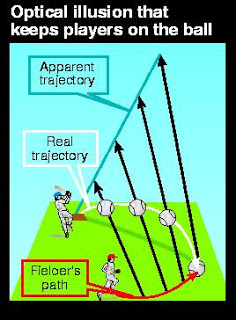
Years ago, physicist Seville Chapman proposed a model to explain how players manage the path of a fly ball so that they arrive to intercept it at just the right time. His theory, called Optical Acceleration Cancellation (OAC), used the acceleration of the ball through the vision field as a guide for player movement.

As a fielder watches the ball rise, he moves either forward or backwards so that the ball moves at a constant speed through his field of vision. If he moves too far forward, the ball will rise faster and may eventually fly over his head. If he takes too many steps back, the ball will appear to rise slower and will drop in front of him.

By managing the ball's position with his movement, a fielder will end up at the right spot at the right time. This explains why the stationary fielders could not predict where the ball would land, as they did not have the benefit of OAC.

If we ask real fielders how they knew where to run to catch a ball, they may not respond with, "Well, I simply adjusted my relative field position to keep the tangent of the vertical optical angle to the ball increasing at a constant rate." So, to test the OAC geometric equations against real life, researchers led by Dinant Kistemaker of the University of Western Ontario, compared the predicted running paths from their mathematical simulation with the real running paths of fielders observed in a previous study.

"We have found that running paths are largely consistent with those observed experimentally," Kistemaker told LiveScience. "Largely, and not completely, because the start of fielders is somewhat strange: They tend to step forward first, irrespective of the fact that they have run either forward or backwards to catch that fly ball."

The research is detailed this month in the journal Human Movement Science.

Will those first few steps forward doom the Little Leaguer to years of fly ball nightmares? Actually, it might be our brain's method of improving its viewpoint.

"For a fielder, making a step is a way of changing the magnitude of the optical acceleration, while preserving its informative value," Kistemaker clarified. "A faster rise of the optical acceleration above the detection threshold may outweigh a possible initial step in the wrong direction. Making an initial step forwards is not only easier than making an initial step backwards, but might also be a better choice."

So, if you're now coaching Little Leaguers, be patient. Their brains may still be learning the math.

Please visit my other sports science articles at LiveScience.com

Runners Pace Themselves Into The Zone

Most regular runners can tell you when they reach that perfect equilibrium of speed and comfort. The legs are loose, the heart is pumping and it feels like you could run at this pace forever.

Researchers at the University of Wisconsin-Madison now have an explanation for this state of running nirvana, and we can thank our ancestors and some evolutionary biology for it.

For years, it has been thought that humans have a constant metabolic energy rate. It was assumed that you would require the same total energy to run one mile, no matter if you ran it in 5 minutes or 10 minutes. Even though your energy burn rate would be higher at faster speeds, you would get there in half the time.

Turns out, however, that each person has an optimal running pace that uses the least amount of oxygen to cover a given distance. The findings, by Karen Steudel, a zoology professor at Wisconsin, and Cara Wall-Scheffler of Seattle Pacific University, are detailed in latest online edition of the Journal of Human Evolution.

Steudel's team tested both male and female runners at six different speeds on a treadmill while measuring their oxygen intake and carbon dioxide output. As expected, each runner had different levels of fitness and oxygen use but there were ideal speeds for each runner that required the least amount of energy

Overall, the optimal speeds for the group were about 8.3 mph (about a 7:13 minutes per mile) for males and 6.5 mph (9:08 min/mile) for females.

The most interesting finding: At slower speeds, about 4.5 mph (13 min/mile), the metabolic efficiency was at its lowest. Steudel explains that at this speed, halfway between a walk and a jog, the runner's gait can be awkward and unnatural.

"What that means is that there is an optimal speed that will get you there the cheapest," Steudel says.

So, why is a zoology professor studying running efficiency? Steudel's previous work has tried to build a theory of why our early ancestors evolved from moving on four limbs to two limbs, also known as bipedalism. She has found that human walking is a more efficient method of getting from point A to point B than on all fours. It might also have been an advantage for hunting.
This latest research could offer some more clues of how we moved on to running. Steudel explains, "This is a piece in the question of whether walking or running was more important in the evolution of the body form of the genus Homo."

Please visit my other sports science articles on LiveScience.

The Cognitive Benefits Of Being A Sports Fan

When was the last time you listened to a sporting event on the radio? If given a choice between watching the game on a big screen HD or turning on the AM radio, most of us would probably choose the visual sensation of television.

But, for a moment, think about the active attention you need in order to listen to a radio broadcast and interpret the play-by-play announcer's descriptions. As you hear the words, your "mind's eye" paints the picture of the action so you can imagine the scene and situations. Your knowledge of the game, either from playing it or watching it for years helps you understand the narrative, the terms and the game's "lingo".

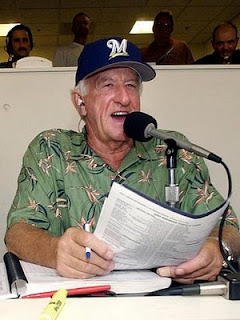
Now, imagine that you are listening to a broadcast about a sport you know nothing about. Hearing Bob Uecker say, "With two out in the ninth, the bases are loaded and the Brewers' RBI leader has two strikes. The infield is in as the pitcher delivers. Its a hard grounder to third that he takes on the short hop and fires a bullet to first for the final out." If you have no baseball-specific knowledge, those sentences are meaningless.

However, for those of us that have grown up with baseball, that description makes perfect sense and our mind's eye helped us picture the scene. That last sentence about the "hard grounder" and the thrown "bullet" may have even triggered some unconscious physical movements by you as your brain interpreted those action phrases. That sensorimotor reaction is at the base of what is called "embodied cognition".

Sian Beilock, associate professor of psychology and leader of the Human Performance Lab at the University of Chicago, defined the term this way: "In contrast to traditional views of the mind as an abstract information processor, recent work suggests that our representations of objects and events are grounded in action. That is, our knowledge is embodied, in the sense that it consists of sensorimotor information about potential interactions that objects or events may allow."

She cites a more complete definition of the concept in Six Views of Embodied Cognition by Margaret Wilson. Another terrific overview of the concept is provided by science writer Drake Bennet of the Boston Globe in his article, "Don't Just Stand There, Think".

In a recent study, "Sports Experience Changes the Neural Processing of Action Language", Dr. Beilock's team continued their research into the link between our learned motor skills and our language comprehension about those motor skills. Since embodied cognition connects the body with our cognition, the sports domain provides a logical domain to study it.
Their initial look at this concept was in a 2006 study where the team designed an experiment to compare the knowledge representation skill of experienced hockey players and novices. Each group first read sentences describing both hockey-related action and common, "every-day" action, (i.e. "the referee saw the hockey helmet on the bench" vs. "the child saw the balloon in the air"). They were then shown pictures of the object mentioned in the sentences and were asked if the picture matched the action in the sentence they read.

Both groups, the athletes and the novices, responded equally in terms of accuracy and response time to the everyday sentences and pictures, but the athletes responded significantly faster to the hockey-specific sentences and pictures. The conclusion is that those with the sensorimotor experience of sport give them an advantage of processing time over those that have not had that same experience.


This may seem pretty obvious that people who have played hockey will respond faster to sentence/picture relationships about hockey than non-hockey players. But the 2006 study set the groundwork for Beilock's team to take the next step with the question, "is there any evidence that the athletes are using different parts of their brain when processing these match or no match decisions?" The link between our physical skill memory and our language comprehension would be at the base of the embodied cognition theory. 


So, in the latest research, the HPL team kept the same basic experimental design, but now wanted to watch the participants' brain activity using fMRI scanning. This time, there were three groups, hockey players, avid fans of hockey and novices who had no playing or viewing experience with hockey at all. First, all groups passively listened to sentences about hockey actions and also sentences about everyday actions while being monitored by fMRI.  Second, outside of the fMRI scanner, they again listened to hockey-related and everyday-related action sentences and then were shown pictures of hockey or every day action and asked if there was a match or mis-match between the sentence and the picture.


This comprehension test showed similar results as in 2006, but now the team could try to match the relative skill in comprehension to the neural activity shown in the fMRI scans when listening. Both the players and the fans showed increased activity in the left dorsal premotor cortex, a region thought to support the selection of well-learned action plans and procedures. 


You might be surprised that the fans' brains showed activity in the same regions as the athletes. We saw this effect in a previous post, "Does Practice Make Perfect", where those that practiced a new dance routine and those that only watched it showed similar brain area activity. On the other side, the total novices showed activity in the bilateral primary sensory-motor cortex, an area typically known for carrying out step by step instructions for new or novel tasks. 


When playing or watching, we are actually calling on additional neural networks in our brains to help our normal language comprehension abilities. In other words, the memories of learned actions are linked and assist other cognitive tasks. That sounds pretty much like the definition of embodied cognition and Dr. Beilock's research has helped that theory take another step forward. Beilock added, "Experience playing and watching sports has enduring effects on language understanding by changing the neural networks that support comprehension to incorporate areas active in performing sports skills."


So, take pride in your own brain the next time you hear, "Kobe dribbles the ball to the top of the key, crosses over, drives the lane, and finger rolls over Duncan for two." If you can picture that play in your mind, your left dorsal premotor cortex just kicked into gear!


Designing The Connected Stadium 2.0

Whether you are watching your favorite team play from your home, at the sports bar or among 50,000 screaming fans at the stadium, each environment will give you a different experience. Researchers at the University of Glasgow are working on ways to connect those three different environments of fans and customize the use of technology within each setting.

"People watching at home don't feel part of the game, but have the advantage of being able to choose services such as viewing footage from different camera angles or even catching up on a different game," said project leader Matthew Chalmers. "We are exploring how to let people interact at a game, such as by sharing video clips, pictures, or even footage of their favorite goals using something like a Bluetooth network."

Chalmers and his team are partnering with Microsoft's Socio-Digital Systems research group in Cambridge and Arup, a global developer of sports venues including the Beijing National Stadium, to develop the "augmented stadium" which will combine the use of mobile technology with the fan experience.

To understand how spectators interact with the game, the researchers will first observe and record fans, looking for opportunities where technology could enhance the experience. Combining sociology of sport concepts with crowd interaction research, the team hopes to discover the patterns of communication that may be possible. Designing for "crowd-centric computing" includes not only the experience of each fan, but also the experience of the crowd as a whole. Fan to fan, fan to crowd and fan to team communications could all be enhanced with the right technology.

In addition to crowd interaction, the connection to friends not at the stadium is also part of the design.
"We are thinking of supporting the 'man down' scenario where a member of a social group can't make it to a big match," Chalmers told me in a recent interview. "He/she might be watching the same match at the pub or at home, or may just be unable to watch it at all... but in either case still wanting to keep in touch with the banter of his/her friends."

Cisco Systems has also made the connected stadium a goal for the future. They have combined their strength in networking with the type of social research that the Glasgow researchers are discovering to enhance the fan experience.  See their vision of the future in this History Channel - Modern Marvels video.

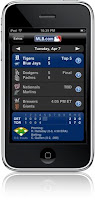
Applications like Major League Baseball's At Bat 2009, an iPhone/iPod app that will include in-game video and audio along with updated stats, scores and news, are the first step towards live interactive information.

Chalmers considers those applications as complementary to his research. "I see them as 'more of the same' in that they are examples of the traditional norm of 'official' content providers distributing their information their way. That's fine, and I'm glad if that information is made available in a mobile way," he said.  "The crowd interaction features are the difference."

In an interview with The Scotsman, Stuart Reeves, another researcher on the Glasgow team, explained: "The idea is to give some power back to sports fans, so they can share information and make their own record and analysis of matches and get more out of the experience. We will then use this information to design data-sharing applications which enable photo-sharing and blogging in real time, using Wi-Fi, GPS and 3G technology."

Of course, trying to connect thousands of mobile device users in a small geographic space, like a stadium, presents a technical challenge. While some of the team's prototype applications have relied on 3G or Wi-Fi technology, Chalmers is also considering the concept of mobile ad-hoc networks, or MANETs.

These networks rely on each wireless device to be a receiver and a router, so that a network can be instantly built between devices without the support of a central infrastructure. "This will allow fans to make use of their own commodity phones to have a kind of independent communication infrastructure to do their own thing on -- and avoid many of the problems of limited bandwidth provided locally and commercially," Chalmers said. "They can use that infrastructure in the stadium, but also have it with them outside of the event in the pub/street/wherever."

Please visit my other sports science articles at LiveScience.com

Exercise Wins Again

It just seems too good to be true. Study after research study consistently promoting the endless benefits of exercise. Couch potatoes everywhere are waiting for the other shoe to drop, telling us that all of those scientists were wrong and we should remain as sedentary as possible.
Yet four additional studies released recently each give the same prescription for improving some aspect of your health: exercise.

They add to recent evidence that regular workouts can improve old brains, raise kids' academic performance and give a brain boost to everyone in between.

Better bones
One study illustrates the effect of exercise on preventing or limiting osteoporosis, which affects more than 200 million people worldwide. Researchers at the University of Missouri found that while both resistance training (lifting weights) and high impact exercise (running) both help build needed bone mineral density (BMD), running is the better choice.

"Exercise programs to increase bone strength should be designed using what is known about how bones respond to exercise," said Pam Hinton, associate professor and lead author. "Only the skeletal sites that experience increased stress from exercise will become stronger. High-impact, dynamic, multi-directional activities result in greater gains in bone strength."  The study was published in the February issue of the Journal of Strength Conditioning.

Less pain
In a related study, exercise seemed to be one of the few successful remedies for those that suffer from low-back pain. In the February issue of the Spine Journal, University of Washington physicians summarized 20 different clinical trials that promoted different solutions to alleviating pain.

"Strong and consistent evidence finds many popular prevention methods to fail while exercise has a significant impact, both in terms of preventing symptoms and reducing back pain-related work loss," said Dr. Stanley J. Bigos, professor emeritus of orthopaedic surgery and environmental health. "Passive interventions such as lumbar belts and shoe inserts do not appear to work."

Better eye health
Also, vigorous exercise has now been linked with significantly reduced onset of cataracts and age-related macular degeneration. In the study, detailed in Investigative Ophthalmology and Visual Science, researchers reviewed the eye health of 41,000 runners over seven years and found that both men and women had significantly lower rates of these two diseases than the general public.

Men who logged more than 5.7 miles per day had a 35 percent lower risk than those that ran less than 1.4 miles per day. While the correlation is strong, the reason is not clear.

"We know some of the physiological benefits of exercise, and we know about the physiological background of these diseases, so we need to better understand where there's an overlap," said Paul Williams, an epidemiologist in the Lawrence Berkeley National Laboratory Life Sciences Division.

Cancer prevention
Each year in the U.S., more 100,000 people are diagnosed with colon cancer. To see what effect exercise has on lowering this rate, researchers at Washington University and Harvard University combined to review 52 studies over the last 25 years which linked exercise and the incidence of cancer. Overall, they found that those that exercised the most (5-6 hours of brisk walking per week) were 24 percent less likely to develop the disease than those that exercised the least (less than 30 minutes per week).

"The beneficial effect of exercise holds across all sorts of activities," said lead study author Kathleen Y. Wolin, Sc.D. of Washington University. "And it holds for both men and women. There is an ever-growing body of evidence that the behavior choices we make affect our cancer risk. Physical activity is at the top of the list of ways that you can reduce your risk of colon cancer."

So, are there any studies out there that link exercise with a negative outcome?

In a recent study published in the journal Obesity, Dolores Albarracín, professor of psychology at the University of Illinois, did find that people who are shown posters with messages like "join a gym" or "take a walk" actually ate more after viewing these messages than those that saw messages like "make friends."

"Viewers of the exercise messages ate significantly more (than their peers, who viewed other types of messages)," Albarracín said. "They ate one-third more when exposed to the exercise ads."


Please visit my other sports science articles at LiveScience.com

Soccer Robots Getting Smarter At RoboCup

Anyone who has ever bravely volunteered to coach a youth soccer team is familiar with the blank stares that ensue when trying to explain the offsides rule. The logic that combines moving players, the position of the ball and the timing of a pass is always a challenge for 10-year-old brains to grasp (let alone 40-year-old brains.) Imagine trying to teach this rule to an inanimate, soccer-playing robot, along with all of the other rules, movements and strategies of the game.

Now researchers have developed an automated method of robot training by observing and copying human behavior.

Why are scientists teaching robots to play soccer? The short-term motivation is to win the annual RoboCup competition, the "World Cup" of robotic development. International teams build real robots that go head to head with no human control during the game. This year's competition is in Graz, Austria in June.

Here's the final match from the 2008 RoboCup:


The long-term goal is to develop the underlying technologies to build more practical robots, including an offshoot called RoboCup Rescue that develops disaster search and rescue robotics.

In a study released in the March 2009 online edition of Expert Systems with Applications, titled "Programming Robosoccer agents by modeling human behavior", a team from Carlos III University of Madrid used a technique known as machine-learning to teach a software agent several low-level basic reactions to visual stimuli. "The objective of this research is to program a player, currently a virtual one, by observing the actions of a person playing in the simulated RoboCup league," said Ricardo Aler, lead author of the study.

In addition to actual robots, RoboCup also has a simulation software league that is more like a video game. In the study, human players were presented with simple game situations and were given a limited set of actions they could take. Their responses were recorded and used to program a "clone" agent with many if-then scenarios based on the human's behavior. By automating this learning process, the agent can build its own knowledge collection by observing many different game scenarios.

The team has seen early success at learning rudimentary actions like moving towards the ball and choosing when to shoot, but the goal is to advance to higher-level cognition, including the dreaded offsides rule. Implanting the physical robots with this knowledge set will give them a richer set of actions to choose from when they are exposed to visual stimuli from the playing field.

Previous attempts at machine learning relied on the robot/software to learn rules and reactions entirely on their own, similar to neural networks. Aler's team hopes to jump start the process by seeding the knowledge base with human players’ choices. While current video soccer games like FIFA 2009 already use a detailed simulation engine, transferring this to the physical world of robots is the key to future research.

RoboCup organizers are not shy about their ultimate tournament in the year 2050. According to their website, "By mid-21st century, a team of fully autonomous humanoid robot soccer players shall win the soccer game, comply with the official rules of the FIFA, against the winner of the most recent World Cup."

That's right; they plan on the robots beating the current, human World Cup champions. "It's like what happened with the Deep Blue computer when it managed to beat Kasparov at chess in 1997," says Aler.

Maybe they can also build a robot linesman who can always get the offsides call correct!

The Mechanics Of Steroids

A $252 million contract to play baseball causes "an enormous amount of pressure ... to perform at a high level every day," according to Alex Rodriguez. The New York Yankees' third baseman provided a few more details last week about the anabolic steroids he used from 2001 to 2003 after he had signed a record-setting deal with his former team, the Texas Rangers.

Here is what most of us know about anabolic steroids: they make muscles grow faster, there are harmful side effects to our health, most sports leagues have banned them, and they are illegal without a prescription.

But how do they actually work? Does an athlete just pop a few pills and then wait for the Popeye-spinach effect? Let's dig a little deeper into the science of steroids.

Legal uses
Anabolic steroids, or anabolic-androgenic steroids (AAS), are the synthetic (made in a lab) derivatives of the naturally produced hormone testosterone. They promote the growth of muscle (anabolic effect) and the typical male characteristics of puberty (androgenic effect).

When legally prescribed, they are an option for patients who produce abnormally low levels of testosterone or who suffer from body-wasting diseases such as cancer or AIDS. When used by athletes, the goal is to speed up the body's natural muscle-building process.

When we lift weights heavier than what we're used to, we create tiny micro-tears in muscle fibers. The body's natural repair process repairs the tear and then overcompensates by adding bigger cells to build a stronger fiber — this is called muscular hypertrophy. Over time, this repeated process of teardown and re-build will result in muscle growth.

Natural testosterone is the body's main ingredient for this process, but anabolic steroids can serve as a supplement.

Once ingested, an AAS travels through the blood stream to the muscle tissue. It is drawn into the muscle cell's receiving dock, called an androgen receptor. Once delivered to the muscle cell, the steroid can interact with the cell's DNA and stimulate the protein synthesis process that promotes cell growth.

Different variants and amounts of AAS can cause different reactions producing either massive body-building physiques or more toned athletic muscles (i.e. Barry Bonds vs. A-Rod). Athletes experiment with different combinations (called stacking) or regimens (pyramiding) in an attempt to fine-tune the final result.  A-Rod's stack was reportedly straight testosterone and Primobolan.

Beyond bulk
While the focus in the media is on the bulked-up home run hitters, anabolic steroids can also benefit pitchers and others who need a faster turnaround from sore, overused muscles. Intense exercise also releases cortisol, known as the stress hormone, which breaks down muscle tissue, producing sore muscles.

AAS can block cortisol from binding to the muscle cell's receptor sites, which diminishes the breakdown process. Less muscle breakdown means less muscle fatigue which would allow a pitcher to recover more quickly from a nine-inning outing.

Besides all of the known negative side effects of using steroids just for ergogenic reasons, there is also the uncertainty of what exactly you are taking. Last month, federal Drug Enforcement Administration agents arrested the owners of an Alabama-based online pharmacy on charges that they filled hundreds of illegal prescriptions for anabolic steroids for clients across the country.

The worst news for the customers of this pharmacy was delivered by U.S. Attorney Deborah Rhodes: "Each of the pharmacy owners and pharmacists named in the indictment are charged with prescribing and selling veterinary steroids, approved for cattle and livestock only, to humans." 

Please visit my other sports science articles at LiveScience.com

The Dangers Of Heat Stroke In Sports

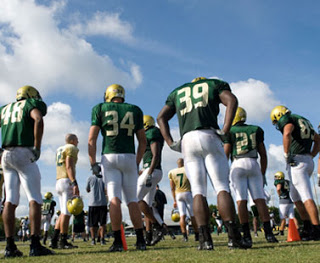
In January, first-year Kentucky high school football coach David Jason Stinson pleaded not guilty to charges of reckless homicide in the death of Max Gilpin, a 15-year-old offensive lineman. Gilpin collapsed Aug. 20 while running sprints with the team on a day when the heat index reached 94 degrees.

Last week, Stinson pleaded the fifth amendment and did not answer questions in the civil court case against him, while his criminal case is pending.  The case could signal a landmark shift in the expectation for how coaches deal with struggling players on a hot day.

Gilpin's body temperature was 107 degrees when he reached the hospital and he died three days later from heat stroke. The risks of heat-related diseases to athletes, both young and old, are always present but the warning signs are often hidden.

Since 1995, 33 football players have died from heat stroke, according to an annual report from the University of North Carolina. Frederick O. Mueller, professor of exercise and sports science at UNC and the author of the report, calls the figure unacceptable.
"There's no excuse for any number of heat stroke deaths, since they are all preventable with the proper precautions," Mueller said.

Wake-up call
The wake-up call has been delivered to all coaches. They must be able to recognize a struggling player and resist the assumption that they're just being lazy. Dave Stengel, the prosecuting attorney in the Stinson case, described the coach's responsibility: "This is not about football. This is not about coaches," he said. "It's about a trained adult who was in charge of the health and welfare of a child."

Heat stroke is the most serious of the four levels of heat illness. Progressing from dehydration to heat cramps to heat exhaustion without intervention may lead to heat stroke where the core body temperature exceeds 104 degrees.

Since the common symptoms (nausea, incoherence, fatigue, weakness, vomiting, muscle cramps) of heat exhaustion and heat stroke are similar, it can be hard to tell when a player has crossed that dangerous line. That is why most medical professionals recommend a proactive approach to playing in the heat. Slow acclimation to the heat over several days, planned and regular water breaks, and reduced activity when the heat index rises will help prevent problems.

The National Athletic Trainers Association has published guidelines for parents and coaches to follow.

What happens
In a 2008 study, researchers explored the complex interactions in the human body when subjected to high heat and high levels of physical activity. José González-Alonso, Professor of Sport and Exercise Physiology at Brunel University, and his team looked at the competing demands for blood flow that heat and exercise cause and the physiological breakdown that eventually occurs.

Our bodies actually gain heat from both the environment and our own muscle movement. When the air temperature is greater than our skin temperature, heat will be transferred into our body. When we exercise, our contracting muscles also produce heat. In fact, about 75 percent of the energy expended is lost to heat rather than power.

To cool ourselves down, two processes must take place: increased blood flow to the skin, and sweating.
The evaporation of sweat to the air pulls heat away from the body. One kilogram of sweat evaporated from the skin will remove 580 kilocalories of heat from the body. If fluids are not replenished by drinking water, the sweating process slows down and the core body temperature rises.

Effects on body and brain
When running sprints on a football field in the heat, a player's heart needs to do double-duty; pumping blood to his muscles and to the skin. González-Alonso found that the heart will serve the metabolic demands of the muscles first, allowing the skin blood flow to diminish, which raises body temperature.  The study also found that fatigue is not a result of tired muscles, but rather from an increase in brain temperature.

As a safety valve, the brain sends signals of fatigue that lower our drive to keep going. If forced to continue by an over demanding coach, the downward spiral will continue. If the player does collapse, immediate attention is the key to survival.

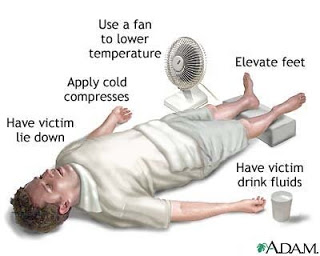
"If you cool someone right away, on site, they don't die - period," said Dr. Doug Casa of the University of Connecticut and a national leader in heat-stroke prevention. "The key to surviving heat stroke is getting your temperature (down) to approximately 104 in about 20 minutes."

Please visit my other sports science articles at LiveScience.com

NFL Linemen Trade Health For Super Bowl Rings

When the Arizona Cardinals met the Pittsburgh Steelers in Super Bowl XLIII, every starting offensive lineman was a member of the 300-pound club.

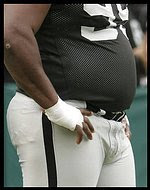
This season, there were more than 600 players — about 20 percent of the league — in triple donuts. Even with 6-foot plus heights, their Body Mass Index (BMI) levels are all in the range of grade 2 obesity, one step below what's called morbid obesity.

This super-sizing of NFL players has accelerated in recent years, and some studies suggest health risks are growing. But studies are conflicting on this point.

And the big question on the minds of coaches and owners: Do heavier players mean more wins? No, says one NFL executive.

Strong vs. fat
The trend towards the ever-expanding football player, especially on the offensive and defensive lines, has accelerated over the last 20 years. From 1920-1984 no more than eight players in the league were over 300 pounds.

The motivation to be bigger comes from the perceived advantages on the field. When Nick Saban, now head coach at Alabama, was drafting players for the Miami Dolphins, he said: "I always say it this way: They have weight classes in boxing for a reason. The heavyweights don't fight the lightweights. What's the reason for that? Because if a big guy is just as good as a little guy, the little guy doesn't have much of a chance."


BMI is a measure of obesity based on a height to weight ratio. Often the apparently risky BMI of large athletes is dismissed because of the percentage of muscle included in their mass. The question becomes whether "big and strong" is any less dangerous than "big and fat."

Last year, Mayo Clinic researchers studied the cardiovascular health of 233 retired NFL players, aged 35-65. They found that in players less than 50 years old, 82 percent had either plaque or carotid narrowing of their arteries greater than the 75th percentile of the population, adjusted for age, sex and race. This condition could lead to a restriction of blood flow causing a heart attack or stroke.

Conflicting results emerged from a University of Texas study later in the year. They compared the health of 201 former NFL players and compared them with the population-based Dallas Heart Study and the Aerobics Center Longitudinal Study. Compared to the control group of men, retired players had a significantly lower prevalence of diabetes, hypertension, sedentary lifestyles and metabolic syndrome.

"Despite their large body size, retired NFL players do not have a greater prevalence of cardiovascular risk factors nor CAC than community controls," Alice Y. Chang, lead author and assistant professor of Internal Medicine at the University of Texas Southwestern Medical School in Dallas. "Age and high cholesterol levels, not body size, were the most significant predictors of sub-clinical coronary atherosclerosis among retired NFL players."

Does it matter?
Jackie Buell, director of sports nutrition at Ohio State University, recently released a study focused specifically on players with metabolic syndrome. This condition is characterized by a group of symptoms that include excess fat in the abdominal area, high blood pressure, high cholesterol, diabetes and elevated levels of triglyceride. Having one or more of these symptoms increases the risk of future heart disease or attacks.

Buell's study measured these factors in 70 current college football linemen. Thirty-four players had at least three risk factors, while eight had four and one had all five risk factors.
"We understand these athletes want to be big, but they can't assume all their weight gain is lean mass just because they're lifting weights and taking protein supplements," Buell said. "The bottom line is we're seeing more and more abdominal obesity. And these findings show that athletes aren't necessarily off the hook when it comes to health risks."

Are the potential health problems worth the risk of garnering a Super Bowl ring?
Indianapolis Colts president Bill Polian recently asked that very question to help his NFL draft planning. He compared the winning percentages with the average weight of NFL teams over a recent ten year period. "We found higher weight had no bearing on winning — none," Polian said. "There was a lot of noise about 'big is the answer.' We tested it. It's not valid."

Please visit my other articles on Livescience.com

The Tee Shot Heard Round The World

Did Santa bring you one of those thin-faced titanium, long-distance drivers to put in your golf bag? Did he also leave behind earplugs?

A case study in last month's British Medical Journal warns against the possible damage to a golfer's hearing from the loud "clank" sound made by these clubs when they hit a golf ball.

Dr. Malcolm Buchanan, an ENT specialist at Norfolk and Norwich University Hospital in England, was diagnosing a 55-year old man who came into his clinic complaining of unexplained tinnitus and reduced hearing in his right ear. Their hearing tests confirmed that his symptoms were similar to those experienced after exposure to loud noises.

They ruled out other age-related hearing issues but he did complain about the loud noise his King Cobra LD driver made whenever he teed off. He had been using the club for the last 18 months, playing three times per week.

Buchanan, an avid golfer, had also heard these clubs on local courses and decided to investigate.

In addition to his patient's King Cobra, he gathered five additional titanium-faced drivers, including brands like Callaway, Nike and Ping, along with six stainless-steel faced drivers which represent the previous generation of club heads. Placing a decibel measuring device 5.6 feet away from the club head, the sound levels of each club were recorded as a professional golfer hit three balls per club. The safe limit for these types of impulse noises to the human ear is 110 decibels.

All six titanium drivers produced sounds greater than the safe limit with the Ping G10 topping out at 130 decibels or similar to a gunshot or firecracker. These new generation thin-faced clubs were also louder than all but one of the thicker-faced stainless steel models. See the full results here.
"Our results show that thin-faced titanium drivers may produce sufficient sound to induce temporary or even permanent cochlear damage in susceptible individuals," Buchanan concluded.

Before he can recommend ear protection for all golfers, Buchanan would like to expand his study, by testing the hearing of professional golfers at the 2009 British Open. In the meantime, you can continue to annoy your foursome with not only the sound of your new driver, but the extra yards you'll be walking to get to your tee shot on the fairway.

Please visit my other articles on Livescience.com

Other Golf articles:
Tiger, LeBron, Beckham - Neuromarketing In Action
Better Golf Ball Design Helps You Play Better Golf
Putt With Your Brain - Part 2
Putt With Your Brain - Part 1
Play Better Golf By Playing Bigger Holes

Tiger, LeBron, Beckham - Neuromarketing In Action

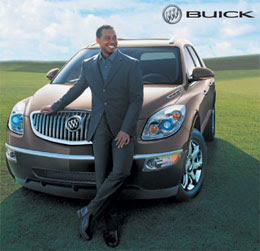
Its not you, its me. That's what the CEOs at three large companies told their superstar athlete spokesmen in the last few months. First, the Buick division of GM ended its $3 million per year relationship with golfer Tiger Woods one year early. Next, the NBA's LeBron James lost his connection with Microsoft less than two years after the mega-marketing deal was announced at the 2007 All-Star game. Finally, Pepsi stopped serving uber soccer marketing star David Beckham.

All three companies issued very polite press releases blaming the struggling economy and wished their sports stars future success. Why did these three deals not work? Was the economy an easy scapegoat or were these endorsements doomed from the beginning?

For years, researchers have tried to develop models to explain consumer behavior and our emotional reactions to celebrity endorsers. Matching the right spokesperson to the right product is the key. The three leading theories for endorsement marketing, Source Credibility, Source Attractiveness and Product Match-up, guide companies in making the right choice.

Credibility combines expertise with trustworthiness. The more an athlete is perceived to know about the product, the more credibility points he earns with the audience (i.e. Tiger and golf clubs).  Attractiveness ties together likeability and familiarity of the athlete. The more a consumer wants to "be like Mike", the more effective the message. Like credibility, a logical marriage of athlete to product makes for an effective match-up. A relationship that seems forced probably won't make sense to us.

Using these models, the Tiger/Buick, LeBron/Microsoft and Beckham/Pepsi match-ups seem illogical in our minds. It may be that our mirror neurons were not firing as the advertisers expected. Located in the prefrontal cortex, these neurons can be activated by observing someone else making an action. When you watch Beckham kick a soccer ball, the same neurons light up as if you were actually kicking the ball. This reaction is the basis of imitation learning theories.

Marketers are now trying to make use of this brain function by observing consumers' brain activity using functional magnetic resonance imaging (fMRI). In his recent book, Buyology, (2008, Broadway Books), Martin Lindstrom begins to apply this neuroscience to why we buy things. According to Lindstrom, Abercrombie and Fitch use this idea in their stores - the "large blow-up posters of half-naked models" make your "mirror neurons fire-up."

That might be a stretch, but Roger Dooley, consultant and author of the blog, Neuromarketing, does see a connection when using athlete endorsers. "This research suggests a basis in neuroscience for the “believe in your product” advice,” he commented. “While the individual hearing the sales pitch may be listening to the words, her brain’s mirror neurons are firing at the same time in reaction to the salesperson’s emotions, demeanor, etc. If there’s a disconnect between the words that are cognitively processed and the emotions that are mirrored, the pitch will probably be less effective. Neuromarketers should take note, too - while ads normally employ professional actors who have the ability to accurately simulate the desired emotions and state of mind, pitches that use celebrity athlete endorsers... may suffer if the viewer finds the emotions don’t match the words."

We can watch Tiger hit a golf ball with his Nike clubs and our brain can imagine (or fantasize) about swinging those same clubs. But, watching Tiger drive a Buick or imagining LeBron working on an Excel spreadsheet breaks the mirror and the connection with our hero. Of course, seeing Beckham dressed as a cowboy, surfer and gladiator while drinking a Pepsi destroyed much of his athletic credibility.

Companies will continue to invest in athletes and their persuasive powers over the masses. Forbes magazine recently named the ten most influential American athletes, as named by respondents to a survey by E-Poll Market Research.  Woods tied with Lance Armstrong for the top spot, with 36% describing them as influential. Twenty-five percent said James was influential. As long as the products they pitch match their athletic profile, our neurons will open our wallets.

Please visit my other articles on Livescience.com

Take Your Brain To The Gym


The moment of truth has arrived, again. The holidays have passed, the bowl games are over and you have renewed your annual New Year's resolution to get back into shape... for real. Don't worry, you are not alone. According to the Centers for Disease Control (CDC), 63 percent of Americans have a Body Mass Index (BMI) in excess of 25 (defined as overweight), while a quarter are greater than 30 (obese).

Its not just kids that benefit from exercise. As we get older, those extra pounds start to affect other areas of our health, contributing to the onset of diabetes, hypertension and high cholesterol.

Several new studies in the last month have now built stronger links between our levels of physical activity and the health of our most important body part, the brain. Conditions such as dementia, Parkinson's, Alzheimer's and even mild age-related memory loss can be delayed by regular physical activity.

Shrinking brain

According to John Ratey, clinical associate professor of psychiatry at Harvard Medical School and author of "Spark: the revolutionary new science of exercise and the brain" (2008, Little, Brown), "Age happens. Getting older is unavoidable, but falling apart is not."

Starting at age 40, we lose about 5 percent of our brain volume per decade, but then at age 70 other conditions may start to accelerate the deterioration. As we age, our cells are less able to cope with stress from waste products such as free radicals.

In the brain, as this stress claims more neuron cells, the web of interconnections between neurons weakens. As we each have more than one hundred billion neurons with each having oodles of connections to other neurons, this gradual net loss is not as dramatic, at first. However, as we age, if this neurodegenerative process accelerates, then our general focus and memory loss as well as more serious conditions like Alzheimer's may appear.

What the aging brain needs is a pumped-up blood flow. Exercise-induced neurotrophins such as brain-derived neurotropic factor (BDNF), vascular endothelial growth factor (VEGF), as well as the neurotransmitter dopamine are needed to grow and fertilize new and existing neurons and their synapse connections. Ratay calls BDNF "Miracle-Gro for the brain."

Make new brain cells

Researchers at the National Cheng Kung University Medical College in Taiwan recently tested the effects of BDNF in the brains of mice of different ages. Half were trained to run a maze for 1 hour a day for exercise, while the control group did not exercise.

As expected, the researchers first found that neurogenesis, the creation of new neuron cells in the brain, dropped of dramatically in the middle-aged mice compared with younger mice. They also were able to conclude that exercise significantly slows down the loss of new nerve cells in the middle-aged mice.

Production of neural stem cells improved by approximately 200 percent compared to the middle-aged mice that did not exercise.

Increase blood flow

OK, that was mice. What about humans?  University of North Carolina brain researchers recently found that older adult humans who regularly exercised had increased blood flow in their brains. They compared long-time exercisers with sedentary adults using 3D MRI brain-scanning techniques.

"The active adults had more small blood vessels and improved cerebral blood flow," said the study's senior author, J. Keith Smith, associate professor of radiology at UNC School of Medicine. "These findings further point out the importance of regular exercise to healthy aging."

The research builds on a host of other studies, summarized in an August review, that show a balanced diet and regular exercise can protect the brain and ward off mental disorders.

Helps manage glucose

Finally, in a report released last month, Scott A. Small, associate professor of neurology at Columbia University Medical Center, found that levels of blood sugar (glucose) have a direct effect on blood flow in the brain.

By testing 240 elderly volunteers, and using functional magnetic resonance imaging (fMRI), Small and his colleagues found a correlation between elevated blood glucose levels and decreased cerebral blood flow, in the dentate gyrus, an area in the brain's hippocampus that has a direct effect on our memories. This corresponds with Smith's findings by showing that exercise may help manage glucose levels, which will improve blood flow to the brain.

Small's previous imaging studies have shown that physical exercise causes an improvement in dentate gyrus function.

"By improving glucose metabolism, physical exercise also reduces blood glucose" Small said. "We have a behavioral recommendation — physical exercise."

Please visit my other articles on Livescience.com

Kids Who Exercise Can Get Better Grades

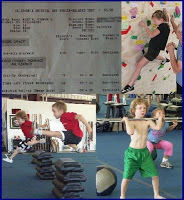
The end of 2008 brings some discouraging news about our kids' brains and brawn. Recent results from an international math and science test show United States students are performing near the middle of the pack compared to other countries, while their levels of obesity continue to climb.
Historically, these two trends were studied independently with plans of action developed for each. However, several researchers and a new book have been making the case for linking these two problems by showing the effects of aerobic exercise not only on a student's fitness level but also on their test scores.

Last month, the latest (2007) TIMSS (Trends in International Mathematics and Science Study) scores were released. They compare fourth grade students from 36 countries and eighth grade students from 48 countries. They were tested on subjects that were common to all of the countries, including algebra, geometry, chemistry and physics. Overall, 425,000 students participated in the test, which is administered every four years.
In math, American fourth graders came in at 11th place of the 36 countries while eighth graders scored ninth out of 48. Hong Kong and Taiwan ranked first for fourth grade and eighth grade, respectively.  In science, Singapore topped the list for both fourth grade and eighth grade, with U.S. science students taking eighth place and 11th place.
While the American math scores have improved slightly, the science scores have dropped. In 2003, U.S. fourth graders were in sixth place in the world and eighth graders were in ninth place.
Only 6 percent of U.S. eighth-grade students reached the TIMSS "advanced" level in math, compared to 45 percent of students in Chinese Taipei, 40 percent in Korea, 40 percent in Singapore, 31 percent in Hong Kong, 26 percent in Japan and 10 percent in Hungary.
Regarding student fitness, the most recent figures from the Centers for Disease Control and Prevention report that the percentage of overweight or obese 6- to 11-year-olds has tripled since 1980, with more than 125 million children at unhealthy levels.
Leaping backward
Ironically, one of the solutions proposed for raising test scores, No Child Left Behind, encourages schools to focus more of the school day on the core academic subjects while reducing class time in peripheral subjects, like art, music, and physical education.  In fact, only 6 percent of American high schools offer a daily gym class. Yet a 2002 Virginia Tech study showed no relationship between reduced class time in those subjects and higher overall standardized tests.
In his latest book, "Spark: The Revolutionary New Science of Exercise and the Brain" (2008, Little, Brown), John Ratey, a Harvard clinical associate professor of psychiatry, argues for more physical fitness for students as a cure for not only their obesity but also their academic performance.
"I cannot underestimate how important regular exercise is in improving the function and performance of the brain." Ratey writes. "Exercise stimulates our gray matter to produce Miracle-Gro for the brain." That "Miracle-Gro" is a brain chemical called brain-derived neurotropic factor, or BDNF. When we exercise, our working muscles send chemicals into our bloodstream, including a protein known as IGF-1.
Once in the brain, IGF-1 orders the production of more BDNF. The additional BDNF helps new neurons and their connections grow. In addition, levels of other neurotransmitters are increased after a strenuous exercise session.
"Dopamine, serotonin, norepinephrine — all of these are elevated after exercise," says Ratey. "So having a workout will help focus, calming down, and impulsivity — it’s like taking a little bit of Prozac and a little bit of Ritalin."
Evidence mounts
Research showing a link between fitness and academics is growing. The California Department of Education (CDE) looked for a correlation between fitness scores and test scores. They found that kids who were deemed fit (by a standard test of aerobic capacity, BMI, abdominal strength, trunk strength, upper body strength and overall flexibility) scored twice as well on academic tests as those that were unfit.  In the second year of the study, socio-economic status was taken into account, to possibly eliminate that variable as an explanation. As expected, those in the upper-income brackets scored better overall on the academic tests, but within the lower-income set of students, the same results were observed — kids who were more fit performed better academically.
Charles Hillman, associate professor of kinesiology at the University of Illinois, was able to duplicate these findings with 259 third and fifth-grade Illinois students. His team also noticed that two of the tests, BMI and aerobic capacity, were significantly more influential to higher academic scores than the other four fitness factors. Digging deeper, he isolated two groups of 20 students, one fit and the other unfit. They were given cognitive tests of attention, working memory and processing speed while their brain's electrical activity was being measured by an electroencephalogram (EEG) test.
The fit kids’ brains showed more activity in the prefrontal cortex, known for its executive function and control over other brain processes.
So, just send the kids on a fast jog and they will ace all of their tests?  Not quite.
“The exercise itself doesn’t make you smarter, but it puts the brain of the learners in the optimal position for them to learn,” Ratey said. “There’s no way to say for sure that improves learning capacity for kids, but it certainly seems to correlate to that."

Please visit my other articles on Livescience.com

Related Stories:
Athletic Gene ACTN3 = "All Children Test Newborn To 3"?
Sideline Raging Soccer Moms (and Dads!)
Does Practice Make Perfect?