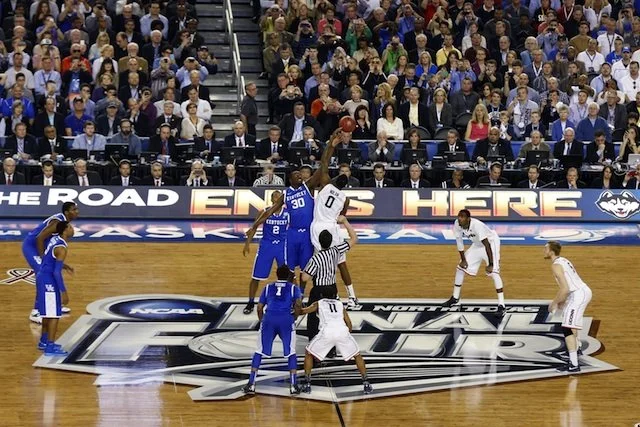
Imagine an NCAA basketball coach trying to create a game plan for their first March Madness game with absolutely no video footage of their upcoming opponent. Sure, he has their roster with player names, height/weight and positions. He also has a set of specific stats that show the performance of each player and the team during the season. Yet, there is no opportunity to see the team play as a unit, how they move the ball, or their communication. The resulting game strategy would be full of educated guesses and assumptions based on just the macro picture of the roster and the micro world of data and statistics.
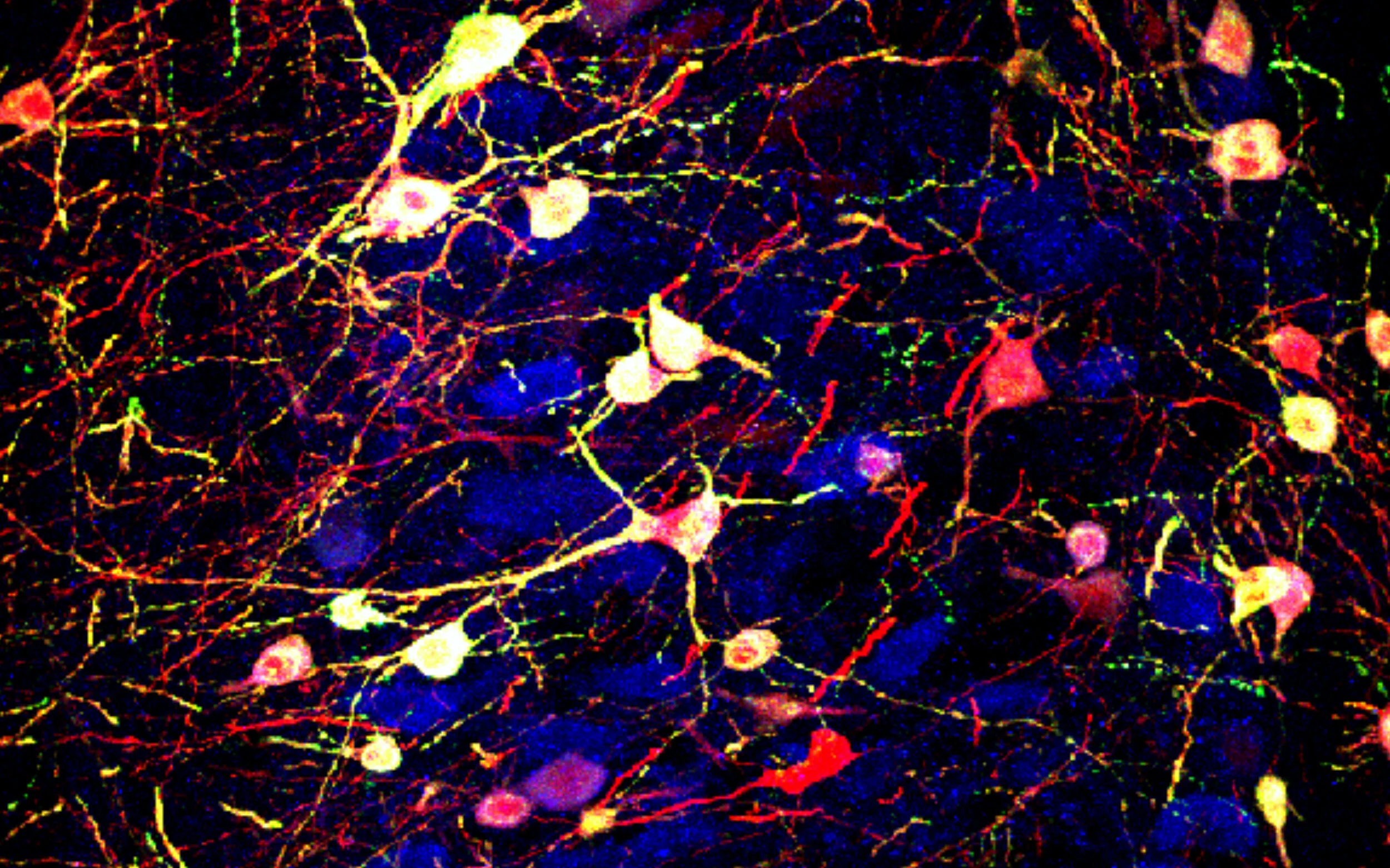
Welcome to the world of today’s neuroscientists. To study the brain, they have the 30,000 foot view from tools like functional MRI scans and the microscopic world of neurons and biochemistry. Everything in the middle, the constant communications between 100 billion neurons, is unable to be observed, leading to theories and best guesses at how we make decisions, free throws and no-look passes. Much like a library of game video or, better yet, a live stream of the action, researchers need a way to observe and measure our brain’s massive amount of electrical activity and connectivity. "We don't actually understand (how circuits of neurons) generate all these interesting behaviors we have, like speech and language and thoughts and memory," said John Donoghue, neuroscientist at Brown University, in a recent CNN interview.
Enter the Brain Activity Map (BAM) project. While there are many ongoing brain mapping research projects currently underway, President Obama alluded to a much more ambitious initiative in his State of the Union address last month. Since then, details have begun to emerge for a 10-year, $3 billion project to do for brain research what the Human Genome Project did for biology and genetics. An article published last week in Science hints at the “big rock” goals for BAM as defined by a cross functional team of 11 scientists, including not only neuroscientists but also experts in genetics, nanotechnology, and bioengineering.
Here's a quick (and energetic) intro to BAM:
“We need something large scale to try to build tools for the future,” Rafael Yuste, a neurobiologist at Columbia University, told MIT Technology Review. “We view ourselves as tool builders. I think we could provide to the scientific community the methods that could be used for the next stage in neuroscience.”
To be sure, a project of this size and cost is not being done to help a point guard know when to pass or shoot. Trying to solve brain disorders like Alzheimer’s or schizophrenia are much higher on the priority list.
Then again, think of the possibilities in just basketball:
- What is happening in a player’s head when he struggles at the foul line? We have theories of “choking” but to actually know the electrical patterns of skill versus stress could suggest new ways to deal with it.
- How is “court vision” represented in the brain and how can we identify and/or train it?
- Practice and repetition seem to teach a new play or skills to a team, but how can we accelerate the rate of learning?
Time will tell if this latest research initiative provides any of the benefits it promises. It certainly could fill in the gaps of how we understand athletes as living, thinking people. It might even help us fill out our March Madness brackets.
As the old saying goes, “you can’t coach height”, but, according to researchers at the University of South Australia, you can recruit and develop key skills beyond genetic gifts. That was their conclusion after interviewing 90 elite basketball coaches from around the world, including men and women from major college programs and professional teams from the NCAA, NBA, WNBA, and 10 other international leagues.
"Game statistics are commonly used to recruit basketball players but by watching players on the court, and how they behave outside of it, coaches can pick up a lot of non-physical factors that indicate whether a player is likely to make the grade,” said Michael Rogers, a PhD student in the university’s Allied Health and Human Performance program and lead author of the study.
With team training now resume for many leagues around the world, athletes are increasing their physical fitness levels back up to in-season form. Well-known data metrics, like heart rate, speed, and power, are being uploaded and summarized by performance trainers and scrutinized by coaches. But, mentally, where is the team at? Are they cognitively as sharp as they were two months ago? Are they thinking about family members or friends? How has this new pattern of living affected their brain?
Of course, team psychologists will have discussions with players, when needed, to address any concerns that they bring forward. Yet, it would benefit players and the team if there was a standardized framework for assessing their overall readiness to endure the battle on the field, in other words, their cognitive fitness. On top of physical capabilities, the variables of anticipation, awareness, perception and decision-making often determine the outcome of a game.
Because we all need one more reason to get off the couch and on the treadmill or the empty trail while we work from home, researchers at the University of California, Davis have found that the neurotransmitters in our brains actually switch into a hyper-learning mode after aerobic exercise.
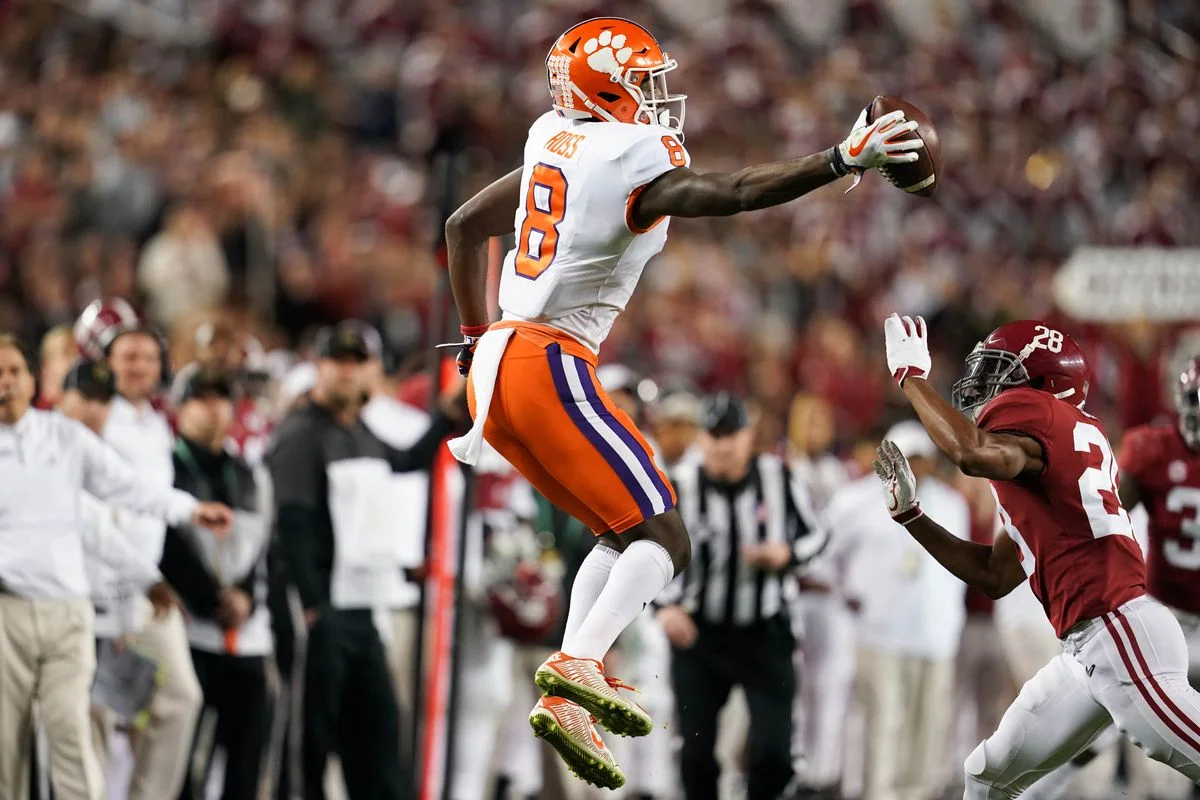
n the 2019 College Football Playoff National Championship game, two true freshmen, quarterback Trevor Lawrence and wide receiver Justyn Ross, made a startling statement as they dominated the defending champion Alabama Crimson Tide. The Lawrence to Ross connection produced 6 catches for 153 yards, including a game-breaking 74-yard touchdown pass and a one-handed circus catch for a late, crucial first down. Two 19-year-olds, one 6 feet, 6 inches and the other 6’ 4”, outplayed one of the best defensive units in the country.
In our latest book, we featured the rise of Justyn Ross and his ironic results at Nike’s “The Opening” competition for high school football stars. Despite the speed and athleticism that Ross displayed in the national championship game, he has another, defining quality that doesn’t show up in the SPARQ ratings - he’s a Playmaker.
The double-edged sword of respect and expectation that comes with the number 10 jersey is reserved for the shoulders of a player that can handle the weight. So when Jürgen Klinsmann, former U.S. Men’s National Team head coach, handed it to seventeen-year-old Christian Pulisic before a 2016 World Cup qualifier game, he knew the load that was being placed on the young playmaker. “The No. 10 has a meaning,” Klinsmann said. “Ask him now how he feels with that heavy number on his back.”
That night, Pulisic responded brilliantly, scoring two goals and assisting on a third in just twenty-six minutes, making him the youngest U.S. player ever to score in a World Cup qualifier. Even Bruce Arena, who’s seen his share of promising prospects in his forty years of coaching at the college, pro, and national team levels, believes in Pulisic. “I think he is just a natural,” said Arena. “The game’s easy for him. He’s got exceptional skill, vision, he’s pretty smooth.” Wary of anointing him a savior too early, Arena did inch out on a limb when pressed: “It makes you think that this is going to be perhaps the first American superstar in the sport. You have to be hesitant about this but this is a very talented young man.”
For those baseball hitters who can do the former, the latter comes much easier. Seeing, identifying and selecting which pitch to swing at is a combination of visual perception, brain processing and motor skill execution. Sure, the physics of hitting a baseball, measured by things called launch angle and exit velocity, determine the trajectory and distance of a batted ball. But it’s that pre-contact decision making process that gets hitters on base so they can score runs and win games. Just as bat speed, leg drive and arm strength define the distance of a hit, the purely cognitive skills of perception, information processing and hand-eye coordination pick out the best pitch to hit and, more importantly, which pitch to avoid.
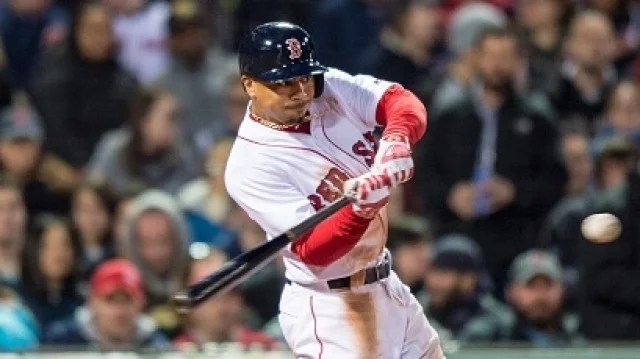
And when you’re 5 feet, 9 inches tall, you rely on those brain skills much more than physical dominance to stay up in the big leagues. That’s exactly what Mookie Betts, right fielder for the 2018 World Champion Boston Red Sox, has done over his young four-season career. Sure, he won the AL batting title this year with a .346 batting average, but he also had a league high slugging percentage, with 32 home runs and 80 RBIs.
Substituting brain for brawn, Betts excels in a category of baseball analytics known as plate discipline, in other words, picking the right pitch to swing at and then making contact with that swing. In the pre-swing decision-making process, hitters with good plate discipline swing at pitches in the strike zone, not out of it. When they do decide to swing, they make contact more often with better hand-eye coordination.
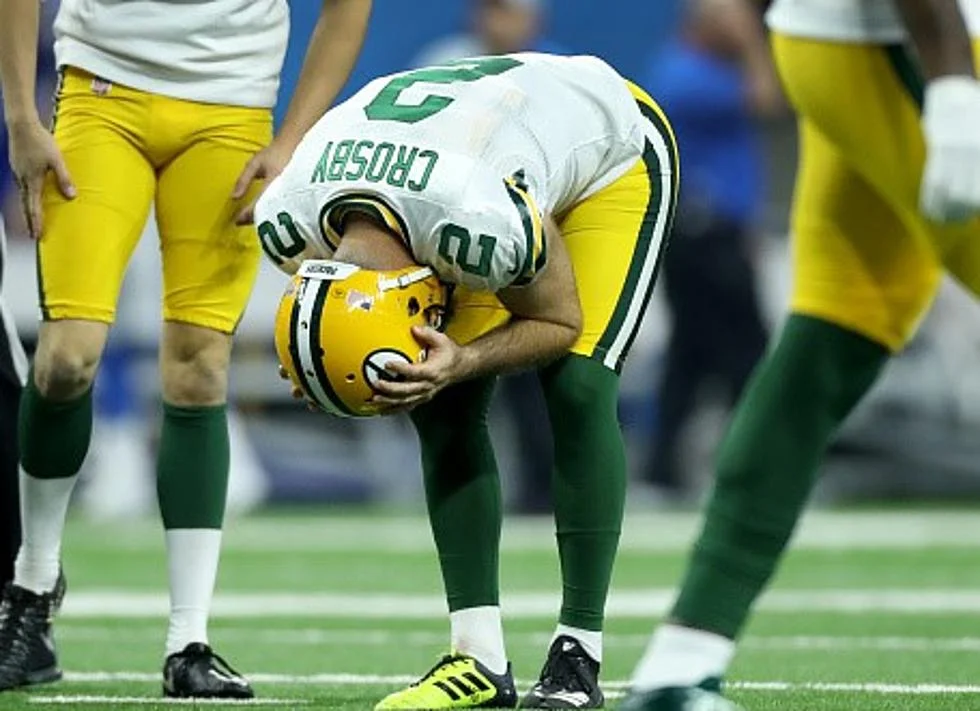
“I’ve done this a long time and I’ve never had a game like that. This is uncharted territory.” To be sure, it was one of Mason Crosby’s worse games of his 12-year NFL kicking career, missing four out of five field goals and an extra point. In his last five full seasons, the Green Bay Packers kicker has made an average of 85% of his field goals, so his week 5 game, a 31-23 loss to the Detroit Lions, was more than a statistical anomaly. Missing wide from 42, 41, 38 and 56 yards, Crosby was at a loss to explain his sudden inaccuracy, “Every attempt I felt like I was in rhythm going through it,” said Crosby. “It was one of those days that just wasn’t there. I’ve done this a long time, and I’ve never had a day where it wasn’t there like that.”
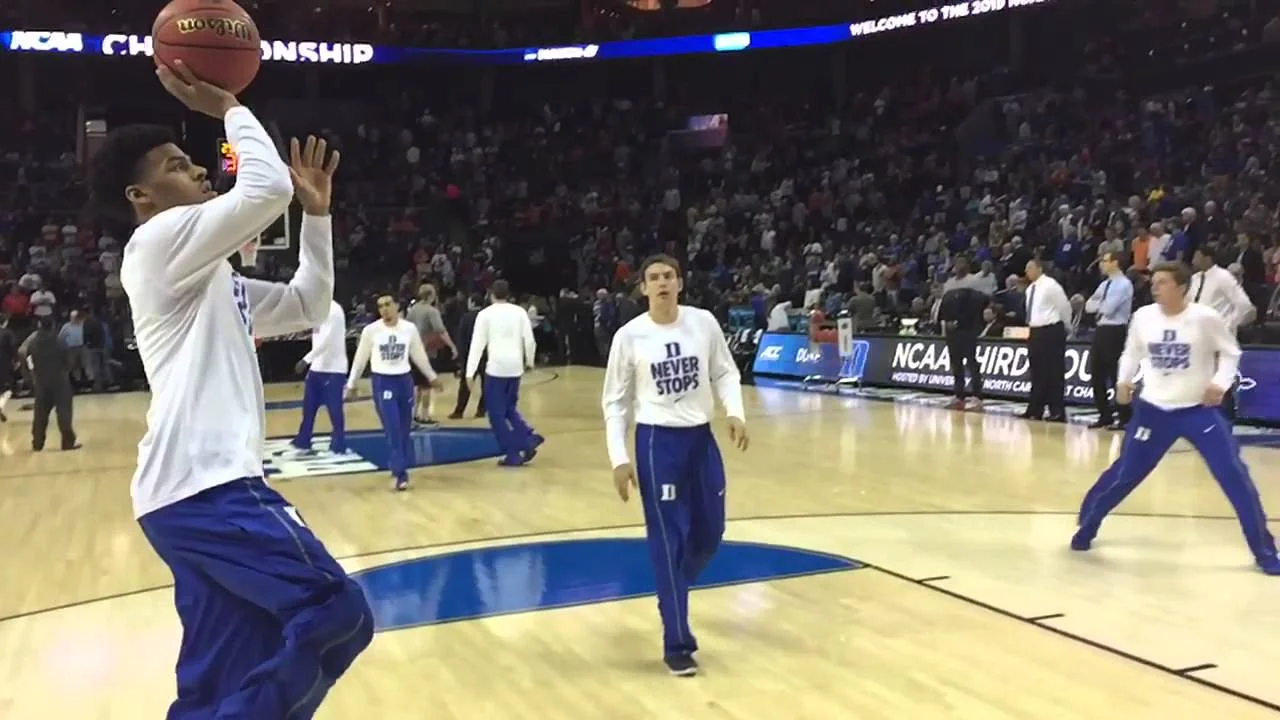
These pre-game preparations are certainly important for warming up the arms and legs, getting the heart rate up and loosening up muscles. But maybe more importantly, this skill repetition also gets the brain ready for the hundreds of actions it will need to perform soon after.